
Climate shocks accelerating as El Niño threat looms over already vulnerable regions
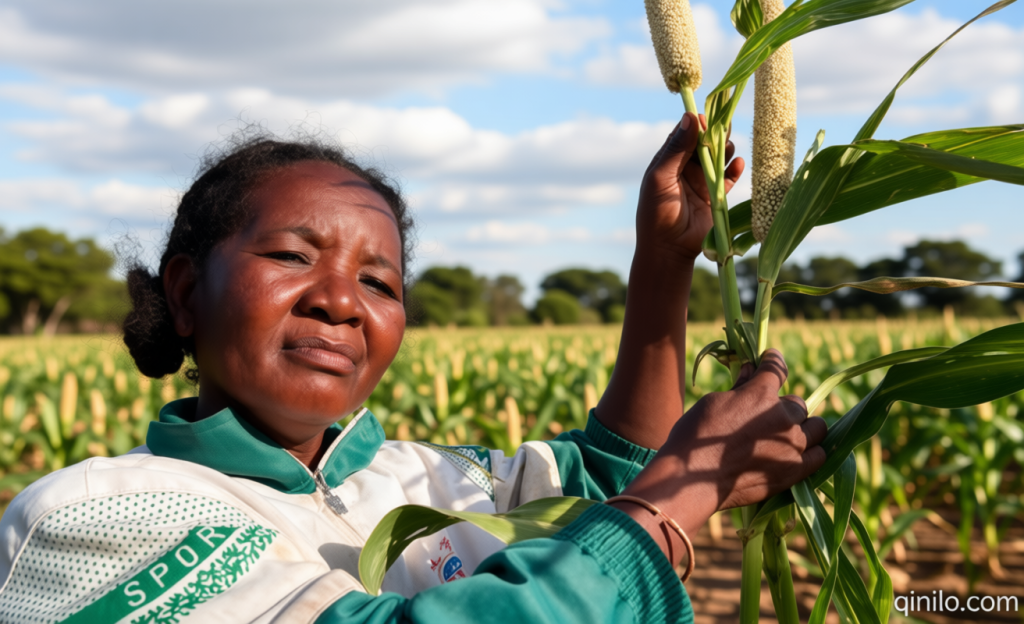
Climate Shocks Accelerate as El Niño Threat Intensifies in Vulnerable Regions
Qinilo.com – Climate shocks are intensifying at an alarming rate, particularly in regions already grappling with food insecurity, displacement, and economic instability. With the looming threat of a strong El Niño pattern, global humanitarian organizations warn that these environmental extremes could worsen significantly in the coming years. The United Nations has highlighted how climate-related disruptions are becoming more frequent and severe, threatening livelihoods and amplifying the risks for millions of people in Africa, Asia, the Pacific, and Latin America.
WMO Report Reveals Escalating Climate Crises in Africa
The World Meteorological Organization (WMO) recently released data underscoring the deepening climate challenges in Africa. According to the State of the Climate in Africa 2025 report, over 13 million individuals faced devastating impacts from extreme weather events, including floods, droughts, and heatwaves. The WMO notes that these disasters have caused more than 3,000 confirmed deaths and disrupted agricultural systems, which are critical for food production in many African nations.
Recent flooding in Nigeria, for example, claimed over 200 lives in May, while similar deluges in the Democratic Republic of the Congo in April resulted in more than 160 fatalities. In contrast, prolonged droughts in East Africa have devastated crops and livestock, pushing communities further into crisis. These events are not isolated but are part of a broader trend of climate shocks intensifying due to El Niño’s influence, which is expected to peak in late 2026.
El Niño-Driven Climate Patterns Exacerbate Global Vulnerabilities
El Niño, a recurring climate phenomenon characterized by warming ocean temperatures in the Pacific, is projected to reach its strongest phase by late 2026. This could trigger widespread shifts in rainfall and temperature, compounding existing vulnerabilities. The UN Food and Agriculture Organization (FAO) and World Food Programme (WFP) have warned that such disruptions will strain food supplies, damage infrastructure, and deepen economic disparities across multiple continents.
Climate scientists emphasize that El Niño’s effects are not uniform but create a complex interplay of droughts and floods. For instance, regions in the Pacific Islands may face heightened rainfall, while parts of East Africa and southern Africa could experience severe droughts. These extremes are linked to the accelerating climate shocks, which are increasingly challenging the adaptive capacity of vulnerable populations.
Humanitarian Appeal Targets $202 Million for Pre-Disaster Preparedness
In response to the escalating risks, the FAO and WFP have launched a joint anticipatory action appeal. The initiative aims to secure $202 million to support nearly 8.8 million people in 22 key countries affected by El Niño-driven climate shocks. This funding will prioritize pre-disaster measures, such as distributing climate-resilient seeds, implementing livestock protection strategies, and enhancing early warning systems tailored to local conditions.
“We now have the tools to anticipate these events—what matters is how we act with that,” said WFP Acting Executive Director Carl Skau. The appeal underscores the importance of proactive interventions, which experts argue are more effective and cost-efficient than reactive responses. Current programs can assist around 1.2 million individuals, but additional funds are crucial to expand coverage and reduce the humanitarian toll of El Niño.
The urgency of this appeal is amplified by the growing global demand for disaster relief. As climate shocks accelerate, the need for coordinated, large-scale action has never been greater. FAO Deputy Director-General Beth Bechdol reiterated that preventing crises before they occur is essential for long-term resilience. The organizations are calling for swift funding to address both immediate and future risks posed by El Niño and other climate phenomena.
Projected Economic and Social Fallout of El Niño-Driven Disasters
El Niño’s impact extends beyond immediate weather events, creating long-term economic and social repercussions. In regions like the Horn of Africa, where agriculture is a primary source of income, droughts linked to El Niño could lead to widespread crop failures, displacing thousands and deepening poverty. Meanwhile, heavy rainfall in Southeast Asia may damage infrastructure, disrupt transportation, and lead to displacement in low-lying areas.
These cascading effects highlight the interconnectedness of climate shocks and global economic systems. The FAO and WFP warn that without strategic investments in resilience, the social and economic costs of El Niño could be catastrophic. The agencies are urging governments and international partners to recognize the scale of the challenge and commit resources to mitigate the fallout before it becomes irreversible.
As the climate crisis progresses, the role of El Niño in amplifying these shocks cannot be overstated. Its potential to create droughts and floods in different regions simultaneously underscores the need for integrated, global solutions. The coming years will be critical for testing the effectiveness of anticipatory measures and ensuring that the most vulnerable communities are equipped to withstand the escalating impacts of climate change.