
Global Ebola cases top 1,000 as UN races to reach DR Congo’s most vulnerable
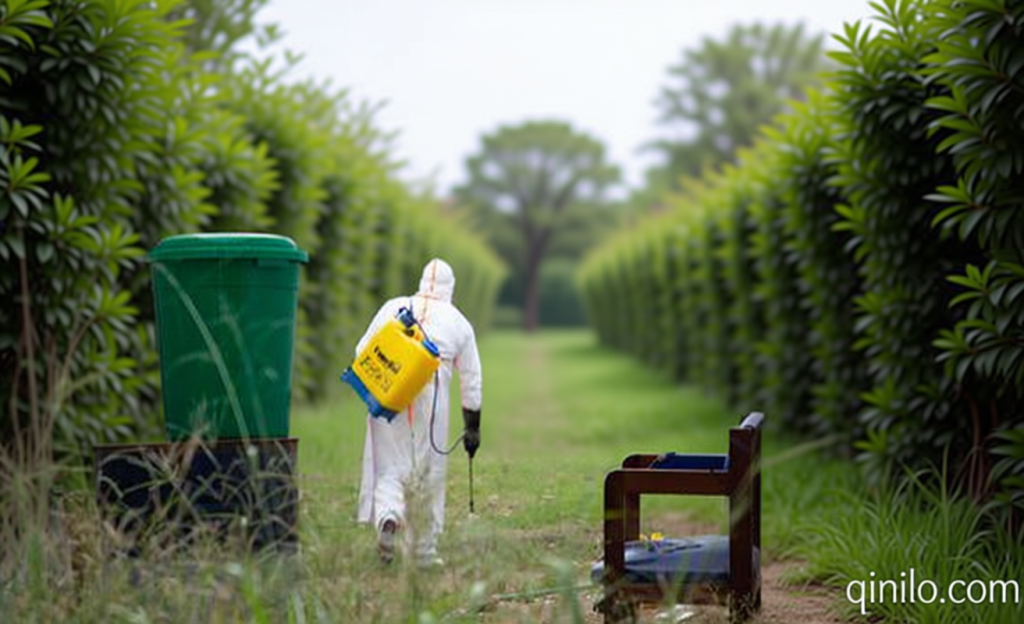
Global Ebola Cases Exceed 1,000 as UN Tackles DRC Outbreak
Qinilo.com – Global Ebola cases top 1,000, prompting the United Nations to accelerate its response in the Democratic Republic of the Congo (DRC). With the outbreak continuing to expand, over 1,000 confirmed cases have been reported, placing significant pressure on local healthcare systems and demanding urgent international attention. The UN has prioritized reaching the most vulnerable populations in eastern DRC, where the virus is spreading rapidly and disproportionately affecting communities with limited access to medical resources.
Children as a Key Target for Intervention
UNICEF has highlighted the alarming trend of children being heavily impacted by the Ebola crisis, with 15% of all confirmed cases involving minors. This figure rises to over 25% in terms of fatalities, underscoring the heightened risk faced by younger individuals. According to UNICEF’s Catherine Russell, children’s dependence on caregivers and their limited ability to self-isolate make them particularly vulnerable. The agency emphasizes that education, hygiene, and community engagement are critical to mitigating the spread of the disease among youth.
“Children are especially vulnerable because they depend on caregivers and cannot distance themselves from a sick parent or sibling in the same way that an adult can,” said UNICEF chief Catherine Russell.
Russell also pointed out that misinformation and fear are spreading just as fast as the virus, often leading to panic and resistance to preventive measures. UNICEF has launched a multifaceted campaign to provide psychosocial support, medical supplies, and alternative care options for families displaced by the outbreak. The initiative aims to empower children with knowledge and resilience during this challenging period.
Supporting Orphaned Populations in Ituri
The Ituri region, where the outbreak originated, has seen a surge in orphaned children due to the virus’s relentless spread. Over 130 children have lost one or both parents, leaving many without immediate care or guidance. To address this, UNICEF has implemented a program to support 135 orphaned children, offering refuge, education, and mental health counseling. The agency has also opened a temporary nursery to house children separated from their families, ensuring they receive basic necessities and emotional support.
“The project was delivered in close collaboration with local community members, with the majority of the workforce made up of inmates who contributed their skills and labour, demonstrating the positive impact of community engagement and rehabilitation efforts in strengthening the local health response,” says Michele Di Marco, a WHO technical coordinator and architect.
This innovative approach not only aids in managing the outbreak but also fosters a sense of responsibility and unity within the community. By involving local residents and prisoners in the effort, the program aims to create a sustainable and resilient response to the growing health emergency.
Global Response and Regional Collaboration
The global health community has mobilized to support the DRC’s fight against the Ebola outbreak, with key players like the World Health Organization (WHO) and UN agencies working in tandem. The WHO’s initiative in Bunia Central Prison exemplifies this collaboration, as the organization has established an isolation unit to protect both staff and detainees. This facility is part of a broader strategy to prevent the virus from spreading beyond the prison walls and to provide critical care in high-risk environments.
Efforts to control the outbreak have also focused on improving healthcare infrastructure and training local medical workers. With 2,000 inmates living in cramped conditions, the prison becomes a hotspot for disease transmission. The WHO and MONUSCO have worked together to implement strict protocols, including regular screenings and quarantine measures, to safeguard the population and curb the spread of the virus.
Challenges and Future Steps
Despite these efforts, challenges remain in containing the outbreak. Remote areas and unstable regions face difficulties in accessing medical aid, while misinformation continues to hinder public cooperation. The UN has called for increased funding and resources to scale up vaccination drives, community outreach, and health education. With over 1,000 cases confirmed, the focus is on preventing a regional escalation that could overwhelm healthcare systems and lead to broader global implications.
As the situation evolves, the UN is emphasizing the importance of long-term strategies to build resilience against future outbreaks. This includes investing in local healthcare capacity, strengthening surveillance systems, and fostering partnerships with regional governments and NGOs. The global community is urged to remain vigilant and committed to supporting the DRC in its fight against Ebola, ensuring that the most vulnerable are protected and that the crisis is brought under control.