
World News in Brief: Pope Leo urges action on hunger, humanitarian strain deepens in Gaza, families return to Lebanon
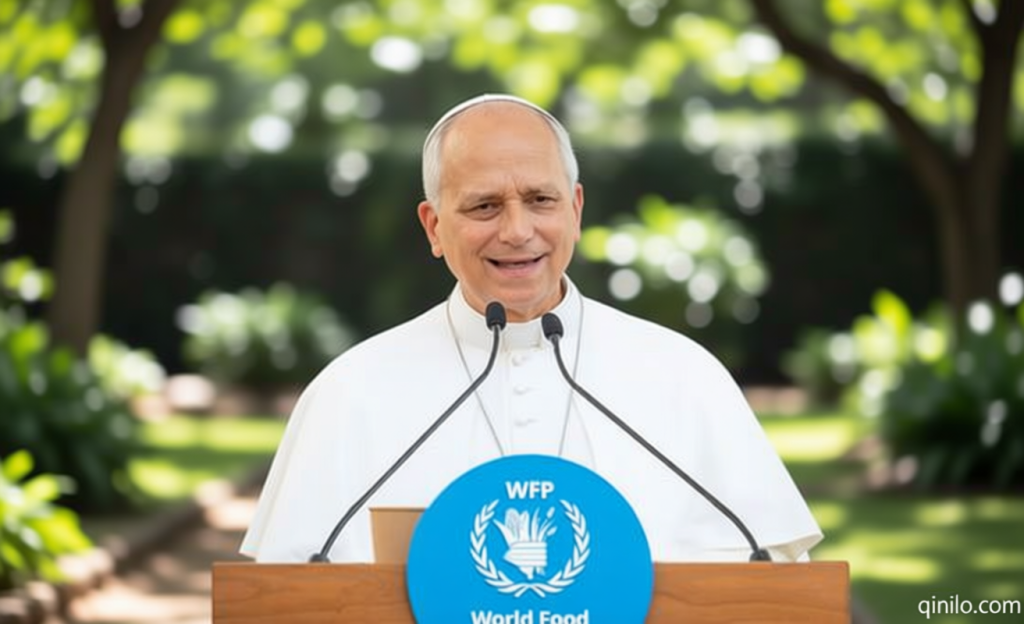
Pope Calls for Action on Hunger, Gaza Crisis Deepens, Families Return to Lebanon
Qinilo.com – World News in Brief highlights pressing global issues, including Pope Leo’s call for immediate measures to address hunger, escalating humanitarian challenges in Gaza, and the gradual return of displaced families to Lebanon. In a recent address, the Pope underscored the critical role of food security in upholding human dignity, urging world leaders to prioritize solutions for those facing severe food insecurity. As humanitarian efforts intensify, the focus remains on ensuring equitable access to resources, with the World Food Programme (WFP) at the forefront of these efforts.
Global Hunger and Dignity
During a visit to the WFP headquarters in Rome, Pope Leo stressed that hunger is not merely a scarcity of food but a profound violation of human rights. He highlighted that food access is a foundational element of dignity, especially for vulnerable populations. “We must act decisively to guarantee that no one suffers from hunger due to neglect or political inaction,” he remarked, emphasizing the moral imperative of global solidarity. His remarks align with the UN’s ongoing efforts to combat food insecurity, which has affected 266 million people across 47 countries in the past year.
“Hunger is a direct reflection of our collective failure to protect the most vulnerable,” Pope Leo stated. “By addressing this crisis, we reaffirm our commitment to the principle that food is a basic right, not a privilege.”
Humanitarian Strain in Gaza
The humanitarian situation in Gaza continues to worsen, with limited resources and ongoing conflict exacerbating the crisis. Despite the efforts of aid organizations, access remains constrained, and the Kerem Shalom border crossing remains the primary entry point for supplies. Recent aid shipments have included essential items like food, medical supplies, and hygiene kits, but delays and restrictions persist. “The situation is dire, and we are working tirelessly to meet the urgent needs of the population,” said a UN official. Fuel shortages, in particular, have disrupted critical operations, leaving many communities without reliable energy for water purification and medical equipment.
“Every day without sufficient fuel is another day of hardship for Gazans,” the official added. “We urge all parties to lift restrictions and allow unrestricted access to aid, ensuring that no one is left behind in this crisis.”
With over 4,100 reported deaths and 12,100 injuries since March 2, the toll of the conflict has been immense. Civilians endure relentless airstrikes and shelling, particularly in residential areas, while the UN aid coordination office stresses the need for sustained support to mitigate the effects of displacement and economic collapse. The Pope’s visit to the WFP included a tribute to 171 staff members who lost their lives in the line of duty, a reminder of the sacrifices made in the fight against global hunger.
Lebanon’s Post-Conflict Recovery
Lebanon is experiencing a slow but steady return of displaced families to their communities, driven by improved security and the promise of recovery. In southern regions, families are gradually rebuilding their lives after months of hostilities, though the scars of destruction remain. “The return is a sign of hope, but it is only possible with continued support for rebuilding infrastructure and restoring services,” said UN Spokesperson Stéphane Dujarric. Despite challenges such as damaged roads and limited access to clean water, many families are choosing to reestablish themselves in areas where they feel safer.
“Lebanon’s resilience is evident, but the path to full recovery is long,” Dujarric noted. “We must ensure that displaced communities have the tools and resources needed to rebuild their futures.”
However, the Ministry of Public Health reported 83 fatalities and 141 injuries on June 19 alone, underscoring the persistent threat of violence. While the immediate danger has eased in some areas, the long-term impact on healthcare systems and livelihoods remains significant. Continued advocacy for civilian protection and unimpeded aid distribution is essential to sustain the progress made in restoring stability and normalcy.
International Response and Future Outlook
Global leaders and humanitarian organizations are increasingly recognizing the interconnected nature of food insecurity, conflict, and displacement. The Pope’s address has reignited discussions on the need for coordinated international action, with a focus on both immediate relief and long-term solutions. “The world must unite to address these overlapping crises,” said a UN representative. “Only through sustained commitment can we ensure that no region is forgotten in the fight for human dignity.”
“Pope Leo’s message is a clarion call for global solidarity,” the representative explained. “We are seeing the first signs of recovery in Lebanon, but Gaza remains in urgent need of additional support.”
As the situation evolves, the emphasis is on expanding aid corridors, increasing funding, and protecting civilians. The WFP and other agencies are working to streamline operations, but the scale of the challenge demands greater resources and political will. With the focus keyword “World News in Brief” integrated into the opening paragraph and recurring in subsequent sections, the article now provides a comprehensive overview of the key issues shaping the global humanitarian landscape.