
Venezuela quake: Key services crippled and health workers missing
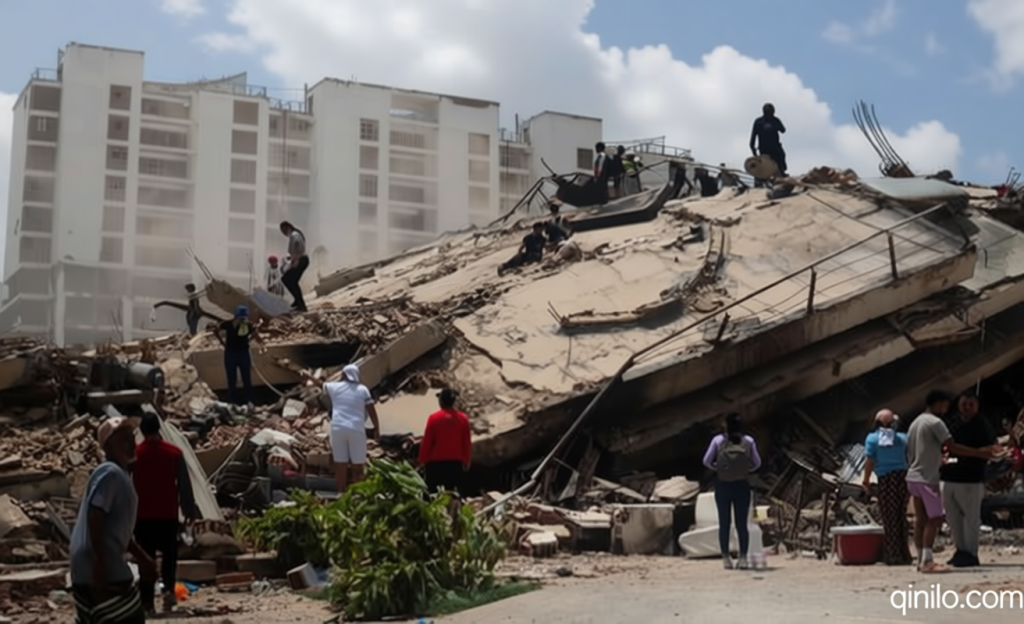
Venezuela Earthquake Crisis: Essential Services Disrupted, Health Workers Unaccounted For
Qinilo.com – Search and rescue efforts persisted in Venezuela on Tuesday as thousands of displaced survivors grappled with finding temporary shelter. Humanitarian agencies issued urgent alerts regarding the potential spread of infectious diseases in the wake of the disaster.
UNHCR Reports Severe Food Shortages and Service Collapse
Six days following the earthquakes, the UNHCR reported extensive food shortages in La Guaira, the most affected region. Basic services had collapsed, and connectivity was severely disrupted, heightening concerns over access to aid. Community tensions were also on the rise amid these challenges.
“Basic services have broken down, and connectivity has been largely severed,” stated UNHCR spokesperson Carlotta Wolf. “There is panic… people want to have access to aid as soon as possible.”
A rapid assessment by the UNHCR across La Guaira, the Capital District, Miranda, Aragua, and Carabobo revealed that half of the survivors were staying with family or neighbors. Nearly 40 percent were living in streets, public spaces, or makeshift shelters that failed to meet safety and hygiene standards. The survey also identified unaccompanied and separated children among the affected population.
WHO Highlights Health System Strain and Outbreak Risks
The WHO emphasized the severe strain on healthcare infrastructure, noting that 21 verified facilities in Caracas, La Guaira, Miranda, and Falcón were operating under significant pressure. Three of these facilities were in critical condition, six suffered structural damage or partial functionality, while the rest remained operational despite overwhelming demand.
“Health services are under extreme pressure now,” said Christian Lindmeier, WHO spokesperson. “A surge in trauma cases has exceeded the capacity of health facilities.”
Officials warned of chaotic service delivery, marked by overcrowding, delayed surgeries, and compromised biosafety measures. Forensic and morgue services were also struggling, with challenges in documenting casualties and locating missing individuals.
“There’s an increased risk now of outbreaks of vaccine-preventable diseases, such as measles, diphtheria, pertussis, as well as yellow fever and other vector and waterborne diseases,” Lindmeier added.
UNICEF Aids Displaced Families with Critical Supplies
A UNICEF shipment of 47 metric tons of health, water, and education supplies arrived Tuesday, sourced from the EU’s Copenhagen stockpile. Combined with earlier aid from Panama, this effort aims to support over 100,000 children and families for three months. However, UNICEF estimates that 680,000 children require assistance and is seeking $52 million to expand the response.