
Venezuela earthquake disaster: needs ‘skyrocketing’, say relief agencies
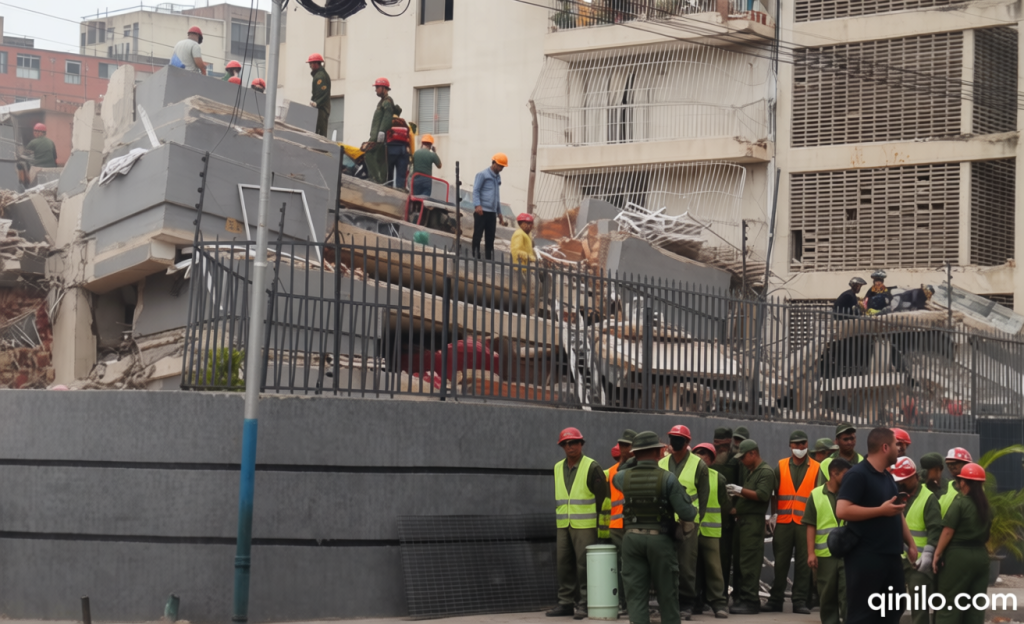
Venezuela Earthquake Crisis: Relief Efforts Intensify Amid Escalating Needs
Qinilo.com – Six days after a devastating twin earthquake struck Venezuela, a dramatic rescue in La Guaira brought a three-year-old child to safety from the wreckage. The incident marked a pivotal moment in the ongoing relief response, as the country grapples with widespread devastation.
The quakes, measuring 7.2 and 7.5 on the Richter scale, occurred within a minute of each other on 24 June. They severely impacted the northern region, leaving tens of thousands displaced and lacking proper shelter. Despite the chaos, rescuers managed to save the toddler, highlighting both the challenges and the hope in the aftermath.
“As the death toll climbs, the demand for aid is surging,” stated the UN Refugee Agency (UNHCR) in an online update. Officials reported 2,000 confirmed fatalities and over 6,400 survivors extracted from rubble so far.
Multiple international and national organizations are mobilizing to address the crisis. The UN Disaster Assessment Coordination (UNDAC) teams are assessing damage across affected areas, emphasizing the urgency of identifying critical needs. “We are working to determine where and for whom humanitarian assistance is required,” explained Veronique Durroux, a UNDAC spokesperson.
Meanwhile, the UN aid coordination office, OCHA, reiterated its commitment: “Every life matters,” it said, as search and rescue efforts continued in La Guaira. The agency is coordinating over a dozen international teams to support local authorities and aid partners in delivering shelter, healthcare, and essential services.
Humanitarian Supplies Arrive Amid Ongoing Challenges
UNICEF has dispatched an initial 47-tonne shipment of emergency supplies, including medical kits, newborn care items, and water purification equipment. This follows a regional delivery from Panama on 28 June, ensuring coverage for over 100,000 children and families for three months.
“The first flights have brought water, medicine, and vital resources to the country,” said UNICEF’s Gabriel Vockel, speaking from La Guaira. “We’re thankful for global solidarity, but more funds are essential to expand our reach and save additional lives.”
The supplies, coordinated through the European Union and managed from UNICEF’s logistics hub in Copenhagen, also include tents for child-friendly spaces, wheelchairs, and materials for early childhood development. These efforts aim to restore normalcy for affected communities while addressing immediate survival needs.
“Families are facing urgent demands for clean water and medical care,” added Roberto Benes, UNICEF’s Regional Director for Latin America and the Caribbean. “Many are taking refuge outdoors, fearing further aftershocks. While these resources are crucial, the scale of need far exceeds what has been delivered so far.”
Infrastructure Damage and Funding Gaps
The earthquakes have left 1,000 buildings—such as hospitals—damaged or destroyed, alongside over 400 schools and critical water systems. UNICEF estimates that 680,000 children across six states require emergency support, the largest seismic event in Venezuela’s history in over a century.
“Communities remain vulnerable to aftershocks, with more than 600 recorded since the initial tremors,” noted UNICEF. To meet the crisis, the agency is seeking $52 million for immediate response, as part of its broader 2026 Humanitarian Action for Children appeal for Venezuela—currently 35% funded.