
Venezuela quake: UN continues to scale up as damage estimate reaches $37 billion
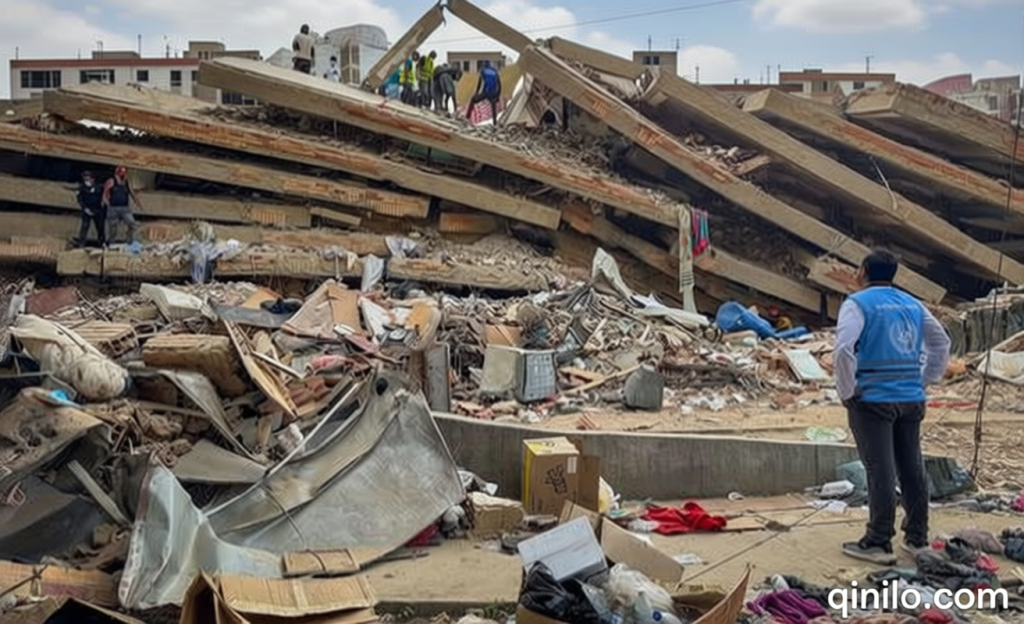
Venezuela Quake: UN Escalates Response as Damage Surpasses $37 Billion
The recent earthquakes in Venezuela, measuring 7.2 and 7.5 on the Richter scale, have caused widespread devastation in the north-central region. The events, separated by a 39-second interval, struck on 24 June, prompting an urgent international response. The United Nations has intensified its efforts to provide aid, working closely with local authorities to address the crisis. Initial damage assessments now estimate total direct physical losses at $37 billion, highlighting the scale of the humanitarian and economic challenges facing the country.
“The United Nations and its partners are scaling up disaster relief initiatives to support affected communities, aligning with the Government’s response to ensure a coordinated recovery,” said UN Spokesperson Stéphane Dujarric during a Monday press briefing in New York. The statement underscores the global concern for Venezuela’s vulnerable population and the critical need for sustained assistance in the aftermath of the quake.”
Financial Impact and Sector-Specific Losses
The $37 billion damage estimate reflects the extensive destruction across critical infrastructure and residential areas. A breakdown of the losses shows that buildings—including homes, schools, and hospitals—account for $24 billion in damages, while infrastructure such as roads and energy systems face an additional $13 billion in costs. Notably, telecommunications networks suffered the highest individual losses, with over $5 billion in damages, disrupting communication and complicating relief operations.
Local authorities report that the quake has left 3,340 people dead and 16,740 injured, with approximately 17,000 individuals displaced. The destruction of key facilities has crippled essential services, necessitating rapid intervention from UN agencies and international partners. As the situation evolves, the UN continues to prioritize resource allocation to mitigate long-term consequences and rebuild infrastructure in the most affected zones.
Children at High Risk: UNICEF’s Call for Immediate Action
UNICEF has raised alarms about the heightened vulnerability of children in the wake of the disaster, projecting that 650,000 individuals—among them 234,000 minors—will require urgent relief. In Caracas, the capital district, roughly one-third of schools were damaged, forcing students into temporary learning environments. This disruption has emphasized the need for targeted support to ensure educational continuity and protect children’s well-being in the recovery process.
Psychological and physical health needs are also escalating, with UN agencies deploying mobile clinics and mental health professionals to address trauma among survivors. The UN’s emergency response teams are collaborating with local organizations to establish safe spaces for children, distribute hygiene supplies, and provide nutritional assistance. These efforts aim to prevent long-term health impacts and support community resilience in the face of ongoing challenges.
Humanitarian Coordination and Temporary Shelters
Emergency operations are underway in affected regions, with UN officials confirming that specialists—including medical staff and engineers—are deployed to assess damage and deliver immediate aid. A comprehensive needs assessment is being finalized to guide the allocation of resources and prioritize recovery initiatives. Over 79 temporary shelters have been established in stadiums and sports venues, offering refuge to displaced families.
Humanitarian agencies are already providing essential services in three of these shelters, including food, water, and medical care. Plans are in motion to expand support to additional sites, ensuring that displaced residents have access to clean sanitation and emergency supplies. The UN Office for the Coordination of Humanitarian Affairs is also coordinating with regional partners to streamline aid distribution and address logistical bottlenecks in the affected zones.
Funding Progress and Global Support
The Humanitarian Response Plan has received $274 million in contributions to date, with an additional $32 million pledged by private donors. These funds, combined with in-kind donations of goods and services, are being utilized to meet urgent needs such as shelter, healthcare, and food security. The UN continues to solicit further donations to sustain operations and support long-term recovery efforts.
International organizations are collaborating with the Venezuelan Government to mobilize resources and coordinate relief. The focus remains on restoring basic services and preventing secondary crises, such as disease outbreaks in crowded shelters. As the situation unfolds, the UN and its partners are committed to scaling up their response to ensure no community is left behind in the aftermath of the $37 billion earthquake devastation.