
UN maritime agency seeks release of 44 detained seafarers as food runs low
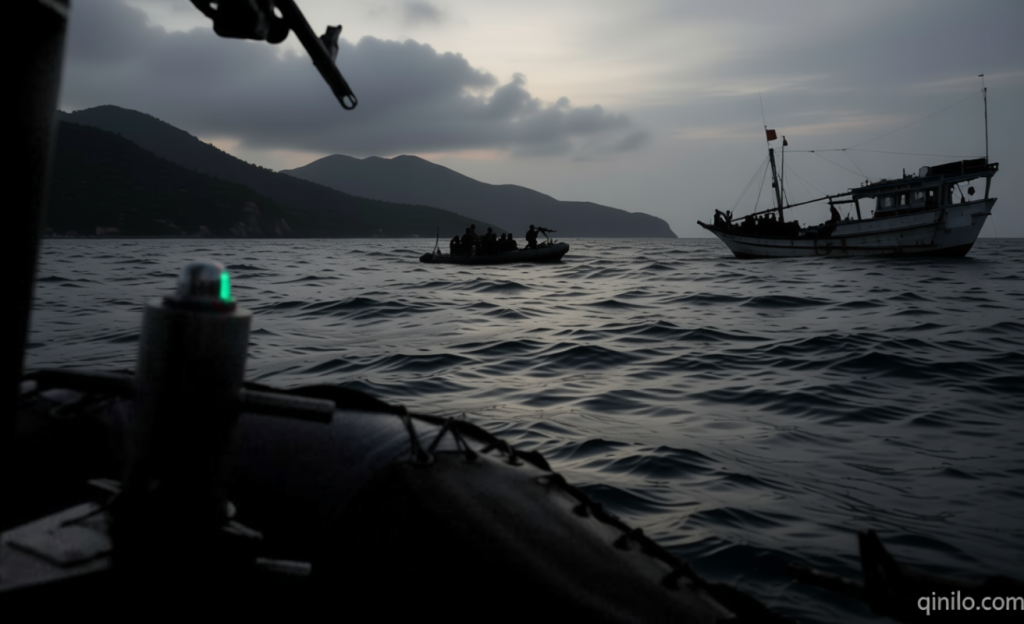
UN Maritime Agency Urges Immediate Release of 44 Seafarers Amid Escalating Threats
Qinilo.com – The United Nations Maritime Agency has intensified its call for the release of 44 seafarers currently held captive in Somali waters, where dwindling food and water supplies have raised urgent concerns about their survival. These crews, trapped aboard vessels attacked by pirates and armed groups, are now facing severe hardships, with the agency emphasizing the need for swift action to prevent further casualties. The situation highlights the growing peril in critical shipping routes, particularly as maritime conflicts continue to disrupt global trade and transportation.
Escalating Piracy in the Red Sea and Gulf of Aden
In recent months, the IMO has recorded a troubling increase in piracy and armed robbery incidents across the Red Sea and Gulf of Aden. Over the past three months alone, 24 attacks have been documented, marking a sharp rise compared to previous years. This surge has drawn attention to the volatile security environment, with attackers now using more advanced weaponry to escalate violence against crews. The agency has warned that such trends threaten not only the safety of seafarers but also the stability of international supply chains.
According to IMO data, the number of piracy-related incidents has climbed by 17% since 2024, rising from 146 to 171 in 2025. This alarming trend is attributed to a combination of factors, including regional instability, economic pressures, and the increasing sophistication of pirate operations. The agency has called for enhanced coordination between flag states, coastal nations, and international bodies to address the root causes of these threats and protect maritime traffic.
Historical Context and International Cooperation
The IMO’s efforts to combat piracy are rooted in longstanding international agreements. In 2009, 22 nations bordering the Western Indian Ocean and Gulf of Aden, including Somalia, adopted the Djibouti Code of Conduct, a framework designed to strengthen cooperation against maritime crimes. This initiative was later expanded with the 2017 Jeddah Amendment, which added provisions for more robust measures to secure shipping lanes and protect crew members.
These agreements have enabled the IMO to collaborate with countries like Djibouti, Ethiopia, Somalia, Sudan, and Yemen through its Red Sea Project. The project focuses on capacity-building initiatives, such as improving surveillance systems and equipping coastal forces with advanced technology to detect and neutralize pirate threats. However, the current crisis underscores the need for renewed commitments from all parties involved, particularly as tensions in the region have reached new levels.
Recently, the IMO successfully evacuated 2,500 seafarers from the Strait of Hormuz, demonstrating the effectiveness of its coordinated response strategies. This operation, which took place last month, was halted on June 25 following a devastating attack on a container ship in the Gulf of Oman. Despite these successes, the agency remains concerned about the ongoing plight of the 44 detained seafarers, who are now at risk of prolonged captivity.
Humanitarian and Economic Implications
The humanitarian impact of the current situation cannot be overstated. Reports indicate that some of the detained crews have resorted to eating dried seaweed and limited rations to survive, with medical emergencies emerging as a pressing concern. Meanwhile, the economic ramifications of piracy are significant, as disruptions to shipping routes have led to increased insurance costs and delays in the transport of essential goods. The IMO has highlighted the urgency of resolving the detainees’ situation to mitigate these broader consequences.
Mr. Dominguez, the IMO Secretary-General, has reiterated the agency’s commitment to securing the release of the 44 seafarers during his recent address to the IMO Council. He urged member states to prioritize the safety of maritime workers and to collaborate on a unified front to address the crisis. The council’s discussions in London have also focused on strengthening partnerships with regional organizations and industry stakeholders to ensure long-term security in vital shipping corridors.