
Afghanistan: 3.7 million young lives at risk of malnutrition, UNICEF warns
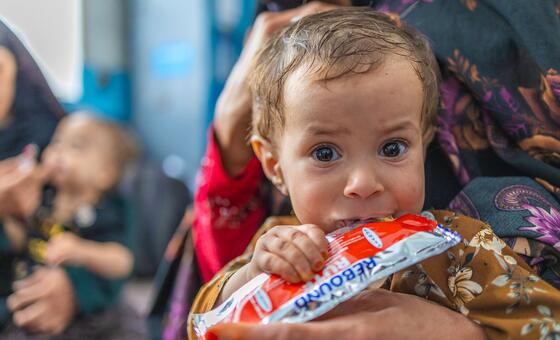
Afghanistan: 3.7 Million Young Lives at Risk from Malnutrition, UNICEF Alerts
Qinilo.com – Afghanistan’s 3.7 million children under five face escalating threats of malnutrition as food shortages, unbalanced diets, and limited access to essential services intensify. This trend is expected to worsen during the critical peak season for severe wasting, which begins in July. UNICEF’s latest report underscores the urgency of addressing these challenges before they escalate further.
Report Highlights Immediate Health Threats
Published on Sunday, the report titled Too Little, Too Late: The Diet Crisis Facing Young Children in Afghanistan reveals that food and nutrition insecurity are central to undernutrition in the country. It warns that the situation has deteriorated in 26 of 34 provinces compared to the previous year, signaling an urgent and deepening crisis.
Wasting, the most acute and visible form of malnutrition, results from recent food shortages, illness, or both. It leaves children dangerously thin for their height and weakens their immune systems, increasing susceptibility to developmental setbacks, infections, and mortality.
Early Warning Signs and Vulnerable Groups
UNICEF’s analysis marks the first time the agency has paired malnutrition data with real-time observations of children’s dietary habits across all provinces. This approach identifies early indicators such as reduced food diversity, skipped meals, and insufficient intake, which precede severe cases.
Children under two years old are disproportionately affected, comprising 83% of severe acute malnutrition cases and 77% of moderate instances. The report stresses that interventions must focus on these youngest children and their caregivers to prevent irreversible harm.
“Young children in Afghanistan are being pushed closer to malnutrition before the peak season has even begun,” stated Dr. Tajudeen Oyewale, UNICEF’s representative in the region. “When families reduce meals or prioritize less nutritious options, it signals more than hardship—it predicts a child’s imminent risk of wasting.”
Although treatment programs can save lives, Oyewale emphasized that proactive measures are equally vital. Prevention should begin with improving the diets of infants and pregnant women, ensuring they receive adequate nutrients to support growth and resilience.
Worsening Conditions and Systemic Factors
Children in households facing extreme food scarcity are up to six times likelier to develop wasting during peak malnutrition periods. UNICEF’s updated Nutrition Cluster alert highlights that the crisis extends beyond diet alone. It is compounded by outbreaks of preventable diseases, declining vaccination rates, and deficiencies in water, sanitation, and hygiene infrastructure.
Additionally, gaps in funding and supply chains are exacerbating the problem, weakening children’s health and heightening their risk during the upcoming months. With the peak season approaching, the agency urges swift action to safeguard young diets and halt the spread of undernutrition.
Call for Immediate Action
UNICEF is advocating for expanded support through its First Foods Initiative, targeting children aged six to 23 months. The strategy also includes reinforcing preventive nutrition programs and aligning health, education, and water services with children’s nutritional needs.
“The window to act is narrowing,” the agency said, adding that “warning signs now emerge sooner, demanding faster responses.” Urgent and adaptable funding is critical to reach families before the crisis reaches its most severe stage.