
Guterres: AI must be shaped by ‘all of humanity’, not a handful of powers
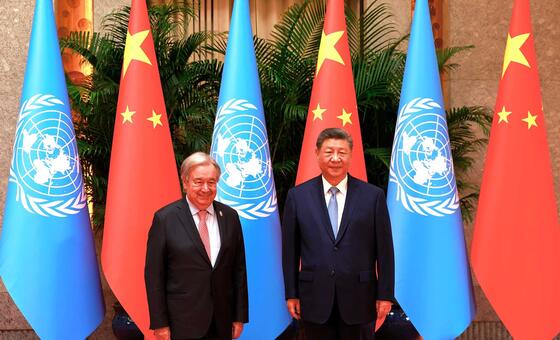
Global Collaboration Urged for Equitable AI Development
Qinilo.com – At the World Artificial Intelligence Conference (WAIC) in Shanghai, UN Secretary-General António Guterres emphasized the need for collective action to ensure artificial intelligence (AI) serves all nations. He argued that without joint efforts between governments and tech firms, the technology risks deepening global divides instead of fostering inclusive growth.
A Double-Edged Innovation
Guterres framed AI as a pivotal force for progress, calling it “humanity’s greatest opportunity in the 21st century.” However, he warned that its potential could turn into a threat if not managed responsibly. “Technology that will shape the future of humanity must be shaped by all of humanity,” he asserted, stressing that AI governance should not be monopolized by a few nations or corporations.
“Every nation needs a seat at the table.”
UN’s Growing Role in AI Governance
In recent months, the UN has expanded its work on AI regulation, driven by the Global Digital Compact and the creation of the Independent International Scientific Panel on AI—a first-of-its-kind global body dedicated to the technology. Earlier this month, the first Global Dialogue on AI Governance convened in Geneva, bringing together leaders and experts to discuss equitable frameworks.
Bridging the Digital Divide
The Secretary-General highlighted the urgent need to address gaps in access and resources. “One-third of humanity is still offline,” he noted, while computational power and expertise remain concentrated in a select group of countries. Without tackling these imbalances, AI could heighten income gaps and limit opportunities for developing regions.
“Whether it will reduce inequalities or reinforce them, whether it will concentrate power or expand opportunity.”
Three Pillars for Inclusive AI
Guterres outlined three priorities to ensure AI benefits everyone: boosting capacity in developing nations, setting international safety standards, and enhancing environmental sustainability. He urged developing countries to build systems using their own data and linguistic frameworks, while governments should adopt unified testing protocols rooted in international law.
“Human rights must be protected. Humans must keep control over every life-and-death decision.”
To safeguard children from AI risks, he added, “No AI system should be put in a child’s hands before it has been proven safe.” Additionally, he called on major tech companies to reveal their environmental impact and transition to renewable energy by 2030, urging nations to incorporate clean energy goals into their AI strategies.
Initiatives to Level the Playing Field
More than 20 countries, including China, have pledged to join the UN-supported Global Network for Exchange and Cooperation on AI Capacity Building. Guterres also announced plans to propose a Global Fund for AI, seeking backing from governments to support these efforts. The goal is to transform commitments into actionable steps that empower all nations to participate in AI’s evolution.
“The defining question is whether that transformation will reduce inequalities or reinforce them.”