
Mount Olympus and D-Day beaches among new World Heritage Sites
UNESCO Welcomes Mount Olympus and D Day beaches to World Heritage List
Qinilo.com – During a significant gathering in Busan, Republic of Korea, the World Heritage Committee officially announced new additions to the prestigious World Heritage List. The session, which ran between 19 and 29 July, featured the announcement on Tuesday regarding the latest inscriptions. This annual update by the UN Educational, Scientific and Cultural Organization (UNESCO) brings the total number of newly recognized landmarks to twenty-five across both cultural and natural categories. Among these distinguished entries are Mount Olympus and D Day beaches, two sites that represent extraordinary cultural and historical significance to humanity.
Notably, three African nations achieved their first-ever placements on the registry: Comoros, South Sudan, and São Tomé and Príncipe. These additions highlight UNESCO’s commitment to recognizing heritage sites across all continents. The committee evaluated numerous nominations before selecting sites that demonstrated outstanding universal value, with Mount Olympus and D Day beaches standing out for their unique contributions to world heritage.
Greece’s Sacred Mountain Receives Recognition
The expansive region surrounding Mount Olympus has earned its place on the international roster of heritage sites. As Greece’s tallest peak and the legendary dwelling of Zeus alongside other ancient deities, this mountain holds profound cultural importance. Located within the northern portion of the country, it stands as a lasting symbol of Greek civilization and mythology. The mountain’s spiritual and mythological associations have made it a pilgrimage destination for centuries.
According to UNESCO, the mountain’s closeness to coastal waters combined with its steep rise creates an impressive variety of landscapes, weather patterns, and plant life. The area showcases dramatic geological formations such as limestone formations, karstic depressions, and cirques—valleys resembling bowl-shaped amphitheatres formed through glacial activity. These natural features contribute to the site’s designation as both a cultural and natural heritage location.
Normandy’s D-Day Landings Honoured
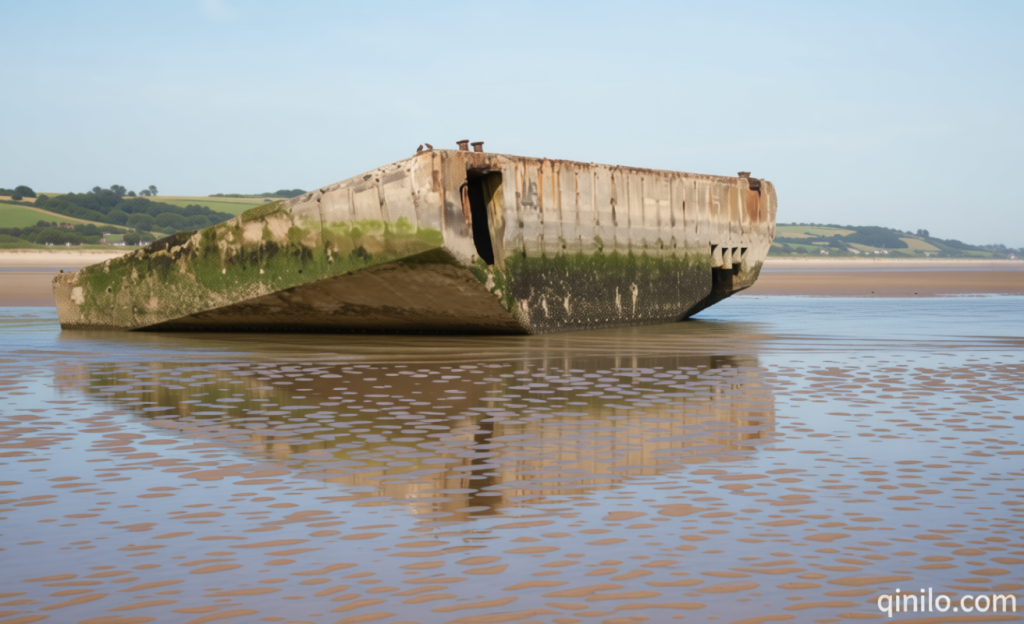
Six locations connected to the historic Allied invasion of Normandy received recognition for their wartime legacy. The landings occurred on 6 June 1944, representing a crucial moment during the Second World War. Five beaches designated as “D-Day” sites, together with Point du Hoc, extend across approximately eighty kilometres of French coastline. These sites collectively form Mount Olympus and D Day beaches as part of the broader heritage narrative.
From these positions, hundreds of thousands of soldiers from America, Britain, and Canada initiated one of history’s most extensive military campaigns. This operation ultimately led to the liberation of Western Europe and the defeat of Nazi Germany. The preservation of these sites ensures that future generations can witness the places where pivotal decisions were made.
Together, these elements form an exceptional cultural landscape shaped both by the events of 1944 and by their enduring remembrance.
UNESCO highlighted that the area maintains important remnants of the German Atlantic wall, traces of battlefields, original military equipment from the war period, and memorial landscapes including the American Cemetery situated at Colleville‑sur‑Mer. These physical remains serve as tangible connections to the past.
Amazonian Theatres Join the Heritage Collection
Two performance venues located in Brazil’s Amazon region have been added to the World Heritage List. The Theatro da Paz, found in Belém, and the Teatro Amazonas, located in Manaus, were constructed during what historians call the Amazonian “Golden Age.” This era of economic growth, known as the Rubber Cycle, spanned from 1879 through 1912. These theatres represent a unique fusion of European architectural styles with Amazonian cultural identity.
Both structures drew inspiration from European design, especially French influences, while incorporating decorative elements featuring Amazonian themes. They were conceived as representations of political aspirations and urban development goals. The Theatro da Paz, positioned within Belém’s historic district in the state of Pará, welcomed visitors when it opened in 1878. This venue contributed to initiatives that emphasized the city’s importance as both a port and the state capital, while also commemorating the newly established Brazilian Republic.
The Amazonas Theatre began operations in 1896, coinciding with extensive urban expansion in Manaus. Its construction represented the prosperity and status of what would become the capital of the Amazon region. Together with Mount Olympus and D Day beaches, these theatres demonstrate UNESCO’s commitment to preserving diverse cultural expressions worldwide.