
Wildfire smoke poses hidden health threat
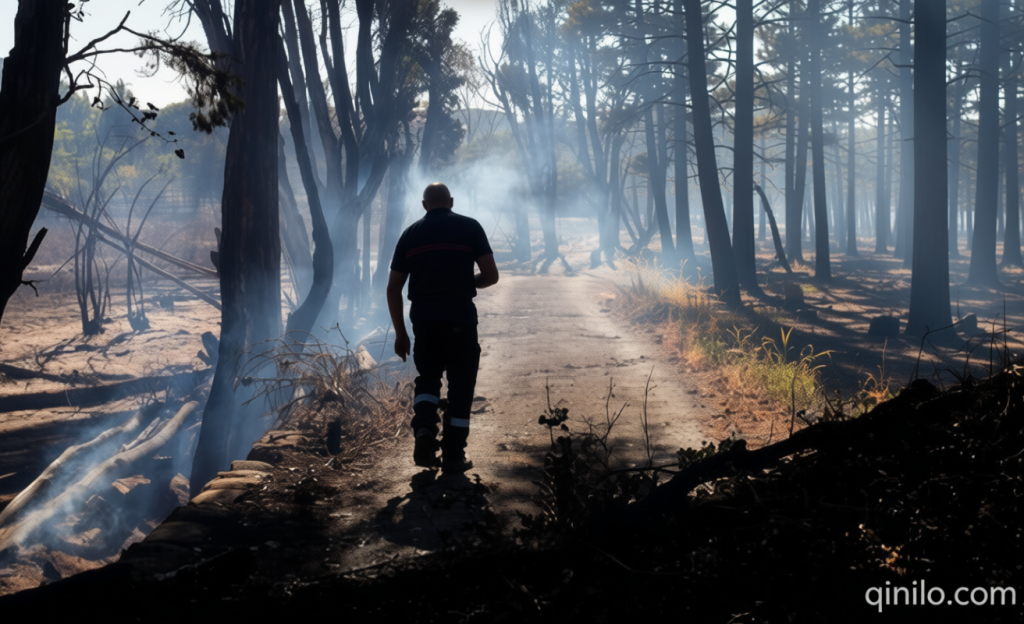
Smoke from Blazes Creates Invisible Health Menace
Qinilo.com – While wildfires are typically recognized for the devastation they cause on the ground, the World Health Organization has cautioned that the smoke generated by these fires represents a significant health danger extending well past the immediate burn area.
Smoke Travels Far and Wide
This summer, massive conflagrations have been raging uncontrollably throughout sections of North America and Europe. The resulting smoke plumes are traveling much further than expected—crossing national borders and entire continents—thereby exposing millions of individuals to dangerous airborne contaminants.
According to WHO officials, several factors are intensifying wildfire frequency and severity. These include shifting land management approaches, extended drought periods, climate change, and prolonged heatwaves. Consequently, smoke exposure has emerged as an escalating public health challenge.
Understanding the Composition and Risks
Although human activities trigger many blazes, climate change is establishing hotter, drier environments that facilitate easier ignition and faster fire spread. Since smoke can traverse enormous distances, communities situated far from active fires may endure poor air quality for days or even weeks.
The smoke itself consists of a complicated blend of gases and microscopic particles emitted when structures, vegetation, and other substances combust. When flames advance into industrial or urban zones, additional hazardous pollutants are released into the atmosphere.
One primary worry involves fine particulate matter, known as PM2.5. These tiny particles can penetrate deeply into lung tissue and subsequently enter the bloodstream.
Who Is Most at Risk?
Health impacts from smoke exposure range from mild to severe. Symptoms may include wheezing, shortness of breath, headaches, coughing, and irritation of the eyes and throat. Individuals with asthma or other chronic illnesses often experience worsening conditions.
Certain populations face heightened vulnerability. These include older adults, pregnant women, people with disabilities, infants and young children (whose respiratory systems are still maturing), and residents of homes with inadequate insulation.
Outdoor workers and emergency personnel encounter elevated dangers due to extended exposure periods. Beyond physical health effects, wildfires also inflict psychological damage, generating stress, anxiety, and trauma both during and following emergency situations.
Expert Guidance and Recommendations
The WHO is encouraging the public to watch air quality notifications and heed official guidance, regardless of whether fires are located nearby.
When wildfires are present in your area, even if some distance away, follow instructions from your local authorities, who will have the most up to date, on-the-ground information, said Dorota Jarosinska of WHO’s European Centre for Environment, Climate Change and Health.
If you can smell smoke, it’s present in the air you’re breathing, and you should protect yourself by reducing your exposure, especially if you are in an at-risk group.
Even if you can’t smell smoke, you may experience symptoms, and wildfires can change direction suddenly if winds shift, so stay alert for updates.
During episodes of dense smoke, remaining indoors with windows and doors sealed is recommended unless evacuation orders are issued. When outdoor activity becomes necessary, wearing a properly fitted N95 or FFP2 mask can significantly reduce inhalation of harmful particles.
Individuals managing heart or lung diseases, expectant mothers, and anyone suffering from breathing problems should consult healthcare professionals without delay.
Building Community Resilience
According to WHO, safeguarding populations demands more than just firefighting efforts. Essential components include early warning mechanisms, prompt public health recommendations, access to medical services, and clean-air shelters designated for vulnerable residents.
The organization is collaborating with nations throughout the European Region to enhance readiness for both heatwaves and wildfires. This cooperation helps health systems adapt as fire seasons grow longer, more common, and increasingly intense.