
Ships and seafarers increasingly caught in the crossfire of unrelated wars
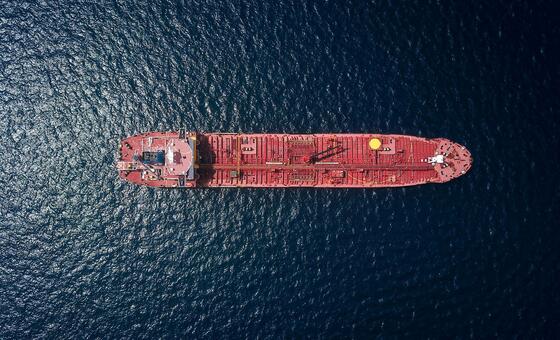
Global Shipping Faces an Unusual Cluster of Security Threats
Qinilo.com – Commercial shipping is confronting a level of simultaneous danger rarely seen in modern maritime trade, with crews and vessels exposed to violence far beyond their control. Four critical areas — the Strait of Hormuz, the Red Sea, waters near Somalia and the Black Sea — are all presenting serious risks at the same time.
The concern is not simply that attacks are occurring in several places. The deeper problem is that merchant ships are increasingly being drawn into political and military confrontations in which they have no direct role. Oil tankers, grain carriers and bulk vessels can become vulnerable targets, while the people operating them face hazards for which they were never trained.
Damien Chevalier, Director of the Maritime Safety Division at the UN’s International Maritime Organization (IMO), has described the situation as a “genuinely unprecedented” convergence of crises.
“Shipping has become a deliberate instrument of geopolitical leverage.”
Thousands of Ships and Crew Members Affected
The scale of disruption in the Strait of Hormuz has been especially striking. At the start of the conflict there, roughly 2,000 vessels and 20,000 seafarers were affected. The passage is one of the world’s most consequential shipping corridors, carrying about one-fifth of global oil supplies.
Any interruption in this route can quickly travel beyond the immediate region. Reduced movement of energy cargoes can add pressure to fuel prices, transport expenses and household costs across many countries. The strait is also important for fertilizer shipments, making its security relevant not only to energy markets but to agricultural production as well.
The Black Sea has its own distinct crisis. There is no direct connection between the conflict there and tensions around Hormuz, yet commercial traffic in both places is facing severe strain. Drones have been used against oil tankers and ships carrying grain in the Black Sea, creating an increasingly dangerous environment for civilian crews.
Reliable details remain difficult to establish because conflict zones are often flooded with competing claims and false information. Still, the volume of reported attacks, the number of ships placed at risk and accounts of crew members killed or injured have raised serious alarm.
One visible measure of the disruption is the reduced flow of traffic to Ukrainian grain ports. During harvest season, these ports would generally be expected to receive between 20 and 30 ships daily. Instead, they are seeing only one or two vessels a day. Such a decline matters well beyond the Black Sea because grain exports are central to food supply chains in many parts of the world.
Red Sea Attacks and a Piracy Resurgence
Houthi attacks in the Red Sea have added another major layer of insecurity. Ships navigating that route may face threats that force operators to reconsider voyages, add protective measures or take longer alternative passages. Those adjustments can raise shipping costs even when cargo eventually reaches its destination.
At the same time, piracy near Somalia has risen sharply. Smaller bulk carriers are particularly exposed because they can be easier for pirates to approach and seize. In some cases, crew members have been taken hostage, underscoring that the impact is not merely commercial but deeply personal.
The renewed piracy threat has been aided by a shift in naval priorities. Maritime security assets are heavily focused on the Red Sea and the Strait of Hormuz, leaving pirates opportunities to operate elsewhere. A recent meeting on maritime law enforcement gave significant attention to counter-piracy because of the deteriorating security environment off Somalia.
Somalia is working on new anti-piracy legislation that could address an important legal weakness. Even when naval forces capture suspected pirates, a clear and humane legal framework is needed to prosecute them. Without that framework, enforcement efforts may be less effective than the scale of the threat demands.
Economic Pressure Extends Far Beyond the Water
Maritime disruption can create a chain reaction across the global economy. Shipping companies may face higher insurance, security and rerouting costs. Those expenses can be passed along through supply chains, particularly when cargoes must travel farther or wait longer before reaching port.
Lower availability combined with higher transport costs can contribute to rising prices. The effect may be particularly difficult for developing countries, where food and energy shocks can reach consumers quickly and where alternatives may be limited. Wealthier countries can sometimes rely on strategic reserves, but those reserves provide only temporary protection. Once they are used, another period of stress can follow if trade routes remain unstable.
The risk to fertilizer and grain cargoes deserves particular attention. Fertilizer is essential to agricultural output, while grain shipments support food systems across borders. Delays or reduced volumes in either category can affect future harvests as well as present-day food prices.
Seafarers Carry the Most Immediate Burden
Behind every ship is a crew expected to work safely in an environment that has become increasingly unpredictable. Casualties have risen across the Black Sea, Red Sea and Strait of Hormuz, adding to fears about the future of the profession.
“Being a seafarer has become a genuinely dangerous profession.”
Seafarers are trained for demanding work at sea, but they are not prepared to manage threats arising from broader geopolitical or security confrontations. The profession already requires long periods away from family and friends, and limited internet access can make that separation harder. New generations may be less willing to accept those conditions when the prospect of attack has become part of the job.
This challenge affects the entire shipping system. Without qualified crews, ships cannot move cargo, no matter how strong demand may be or how advanced maritime technology becomes. Protecting workers is therefore inseparable from protecting trade routes and global supply chains.
IMO is also addressing risks linked to substandard ships in different regions. Its work includes efforts against fraudulent registries and false ship registrations, practices that can weaken oversight and complicate safety enforcement. Stronger controls are especially important at a time when legitimate operators and crews are already dealing with exceptional external threats.
The current maritime crisis is defined by its overlap: conflict-related attacks, piracy, threats to energy transport, pressure on grain exports and heightened dangers for crews are unfolding at once. The consequences will depend not only on developments in each region, but on whether commercial shipping can remain protected from becoming a tool of unrelated disputes.
Related Reading
Frequently Asked Questions
What is Ships and seafarers increasingly caught?
Ships and seafarers increasingly caught is the main topic of this guide. The article explains the context, practical details, and next steps readers should understand.
Why does Ships and seafarers increasingly caught matter?
Ships and seafarers increasingly caught matters because readers are looking for a useful answer, not just a short summary. Good content should match search intent and help them decide what to do next.