
Srebrenica survivors warn of genocide denial while safeguarding memory of the dead
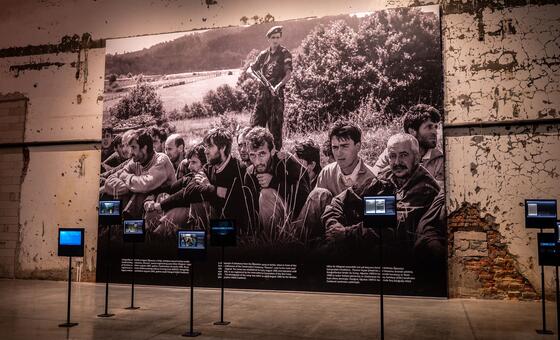
Srebrenica Survivors Warn of Genocide: Preserving Memory Against Denial
Qinilo.com – In the wake of the 1995 Srebrenica genocide, survivors continue to raise their voices against efforts to downplay the atrocities as mere massacres. The tragedy, which claimed the lives of over 8,300 Bosniak Muslim men and boys in eastern Bosnia, remains a defining moment in modern history. Three survivors shared their experiences with UN News, underscoring their commitment to ensuring the genocide is not forgotten. Their testimonies highlight the urgency of preserving the truth, as they face a growing challenge from those who seek to erase or distort the memory of the victims.
The Srebrenica Genocide: A Historical Tragedy
On July 11, 1995, the town of Srebrenica became the site of one of the worst acts of genocide in Europe since World War II. UN peacekeepers had declared the area a safe zone to protect civilians during the Bosnian War, but Bosnian Serb forces overwhelmed the town, systematically separating men and boys from women and children. The genocide unfolded with chilling efficiency, as thousands were executed, buried in mass graves, and their stories were threatened with erasure. The United Nations later acknowledged its failure to prevent the killings, a recognition that has since become a cornerstone of global efforts to preserve the truth.
The Srebrenica Memorial Centre, built on the site of the massacre, stands as a testament to the resilience of survivors and the importance of remembering the past. This institution not only honors the victims but also serves as a museum and educational hub, preserving the testimonies of those who endured the horrors. Survivors now act as curators and archivists, ensuring that the legacy of the genocide is safeguarded for future generations. Their work is vital in countering historical revisionism and maintaining the integrity of the event’s narrative.
Survivor Testimonies: Voices of the Genocide
“At eight years old, I survived the genocide. My brother and both my maternal and paternal uncles were among the 8,372 victims.”
“The main road had a checkpoint where men and boys were separated. Many of them were later killed.”
“Sharing my brother’s story helps me heal. Each tale I recount is a way to honor all those who were lost.”
“We fled Srebrenica between 1992 and 1995. In 2003, I returned to reconnect with my family and complete the burial process at the Memorial Centre.”
“This is part of our history. My responsibility is to speak about the genocide and the experiences we endured here.”
“Genocide denial is the final phase of the genocide. In Bosnia, it now takes the form of glorifying those who committed the crimes.”
These survivors’ accounts paint a vivid picture of the trauma and loss that defined the genocide. Their personal stories, though deeply painful, serve as powerful reminders of the human cost and the need for collective memory. As they recount their journeys, the emotional weight of the event becomes palpable, reinforcing the gravity of the situation and the stakes involved in preserving its legacy.
The International Day of Reflection and Commemoration, observed annually on July 11, is a global initiative to honor the victims of the Srebrenica genocide. This day also serves as a platform for survivors to share their experiences and advocate for the recognition of the genocide. Despite the passage of time, the event continues to resonate, with survivors emphasizing that their efforts are not just about remembering the past but also about ensuring that future generations understand the significance of what transpired.
Genocide denial has become a growing concern, with some individuals and groups in Bosnia attempting to rewrite the narrative. By calling the Srebrenica massacre a “massacre” rather than a “genocide,” they seek to diminish its scale and impact. Survivors, however, remain vigilant, warning that such denial risks not only the erasure of history but also the perpetuation of hatred and the justification of future atrocities. Their continued advocacy is a testament to the enduring importance of the event and the lessons it imparts.
Efforts to combat genocide denial have gained momentum, with survivors and international organizations working together to educate the public and preserve the memory of the victims. The Srebrenica Memorial Centre plays a central role in this mission, offering exhibits, educational programs, and guided tours that bring the tragedy to life. Additionally, survivors participate in conferences and media interviews, using their firsthand experiences to challenge those who seek to minimize the genocide’s significance. These actions are crucial in maintaining the historical record and fostering a deeper understanding of the event’s implications.