Strait of Hormuz: UN agencies call for diplomacy to end attacks
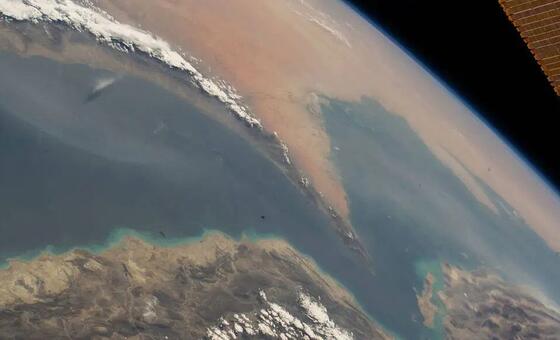
Strait of Hormuz: UN Agencies Urge Diplomatic Resolution Amid Rising Tensions
Qinilo.com – The strategic shipping channel, the Strait of Hormuz, has become a focal point of conflict as both Washington and Tehran assert control over its critical role in global commerce. In response to recent escalations, UN agencies have called for de-escalation, emphasizing the need for diplomatic solutions to prevent further disruptions.
Following the UN Secretary-General’s Sunday appeal for renewed US-Iran talks, the International Maritime Organization (IMO) Council issued a statement condemning the latest assaults on civilian ships in the strait. The organization highlighted that the closure of this vital route—once responsible for a fifth of global oil and natural gas exports—has intensified concerns over maritime security. The council’s decision, made at the end of its 137th session, urged immediate steps to calm the situation.
Transit Rights and Regulatory Measures
The IMO Council reiterated that the right of transit passage through international straits must remain intact, warning against actions that threaten or restrict this right. It also emphasized that coastal nations regulating traffic in essential shipping lanes should align with IMO guidelines under the International Convention on the Safety of Life at Sea.
Regarding the ongoing challenges in the region, the council stated that any agreement between littoral states must ensure all vessels enjoy equal and uninterrupted access under the traffic separation scheme established by the IMO in 1968.
Statements from Political Leaders
“The strait will remain open,” asserted US President Donald Trump in a Monday social media post. He added that Washington would reinstate its blockade of Iranian ports and introduce a 20% fee on goods transiting the waterway as a means of ensuring “safety and security.”
Iran’s foreign minister responded, agreeing with Trump’s stance but noting that Tehran would implement a lower rate: “We will be fair,” said Abbas Araghchi, underscoring Iran’s commitment to balancing economic pressures with regional stability.
Despite these statements, the IMO Council reaffirmed its position that passage through the strait should be free from tolls and charges, as stipulated by international law, including the 1948 IMO Convention. The organization also requested the Secretary-General to explore initiatives that enhance safe maritime traffic and foster collaboration with regional states, global partners, and the shipping industry.
Economic Consequences of the Crisis
Switzerland-based ACAPS reported in its July 10 analysis that the Strait of Hormuz has experienced persistent disruptions, causing humanitarian and economic strain. Meanwhile, the World Bank highlighted a 24% surge in global energy prices since February, alongside forecasts of a 30% increase in fertiliser costs by 2026. These impacts mirror the commodity price shocks triggered by Russia’s invasion of Ukraine in 2022, which UNCTAD noted has continued to affect African economies, threatening long-term development gains.