
World News in Brief: Aid deliveries to Gaza restricted, UN prepares El Nino response, El Salvador eliminates disease
World News in Brief: Gaza Aid Restrictions, El Niño Preparedness, and El Salvador’s Disease Eradication
Qinilo.com – World News in Brief highlights critical updates from across the globe, focusing on humanitarian challenges, climate readiness, and public health achievements. In the latest edition, the United Nations (UN) has intensified efforts to prepare for the potential El Niño phenomenon, while aid distribution in Gaza faces significant hurdles. Additionally, El Salvador has made a historic milestone in eliminating trachoma, showcasing the impact of sustained national and international cooperation.
UN Preparing for El Niño’s Global Impact
The UN has announced a $100 million emergency response plan to mitigate the effects of an anticipated El Niño event, which climate experts predict could be more severe than the 2023–24 cycle. This weather pattern, characterized by warmer ocean temperatures in the Pacific, is expected to disrupt weather systems worldwide, leading to extreme droughts, floods, and heatwaves in Latin America, Eastern and Southern Africa, Asia, and the Pacific. These conditions threaten food security, water access, and health infrastructure in vulnerable regions, prompting the UN to emphasize proactive measures.
“The El Niño event we are monitoring could intensify existing crises, particularly in areas already grappling with conflict, displacement, and economic instability,” warned UN Emergency Relief Coordinator Tom Fletcher. “Investing in early warning systems and rapid response mechanisms is crucial to safeguarding millions of lives.”
UN agencies have already allocated over $20 million through the Central Emergency Response Fund (CERF) to six countries, focusing on risk assessments and resource mobilization. This initiative underscores the importance of early intervention, as preventive strategies are deemed more cost-effective and efficient than reactive aid efforts. The UN is also coordinating with regional partners to develop contingency plans, ensuring resources reach affected populations swiftly.
Aid Distribution Challenges in Gaza
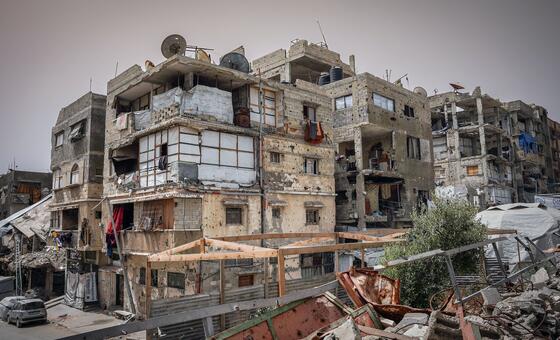
Meanwhile, aid delivery to Gaza remains constrained due to ongoing security restrictions and infrastructure damage. With only one crossing, Kerem Shalom, operational, humanitarian organizations must navigate heavily trafficked roads and damaged supply chains to transport essentials to the northern regions. This bottleneck has forced critical supplies—such as food, medicine, and water—to rely on southern routes, which are already strained by the conflict.
“The current aid distribution model is unsustainable. Without improved access, the humanitarian situation will deteriorate further,” said WFP Country Director Shaun Hughes. “Funding shortages and security concerns are creating a domino effect on relief operations.”
Gaza health officials report over 1,080 deaths and nearly 3,500 injuries since the October 10, 2025, ceasefire. The situation has also led to a 37% reduction in shelter assistance for families between May and June, exacerbating the challenges of displacement and access to basic needs. Fuel and medical equipment shortages have forced delays in critical services, highlighting the urgency of international support to stabilize the region.
The UN World Food Programme (WFP) has called for immediate action to expand delivery routes and increase funding for emergency supplies. “Every day without aid is a day without hope for many Gazans,” remarked a WFP spokesperson, stressing the need for a coordinated effort to address both immediate and long-term recovery needs. The situation in Gaza underscores how climate and conflict risks can converge, creating compounding crises in already fragile contexts.
El Salvador’s Trachoma Eradication Success
El Salvador has made history as the first Central American nation and the second in the Americas to eliminate trachoma as a public health issue. This achievement, confirmed by the World Health Organization (WHO), follows a multi-year campaign that successfully eradicated the disease from 2023 to 2026. Trachoma, a bacterial infection transmitted through eye and nasal contact, was once a leading cause of preventable blindness in impoverished communities.
“El Salvador’s success is a testament to the power of political will, strategic funding, and community-driven solutions,” stated WHO Director-General Tedros. “This milestone brings us closer to achieving the global goal of trachoma elimination by 2030.”
The country’s efforts included widespread hygiene education, improved access to clean water and sanitation, and enhanced healthcare infrastructure. These interventions reduced the transmission of the disease, which thrives in unsanitary conditions and limited healthcare access. El Salvador’s accomplishment serves as a model for other nations facing similar challenges, demonstrating how targeted programs can address global health disparities.
Despite this success, trachoma persists in some of the world’s poorest and most remote regions, emphasizing the need for sustained investment in public health. The UN’s dual focus on climate preparedness and Gaza’s humanitarian needs highlights the interconnected nature of global challenges. As the world grapples with these issues, the importance of international collaboration and timely action becomes increasingly evident.
World News in Brief also highlights how climate events and geopolitical conflicts can intersect, creating complex humanitarian scenarios. The El Niño response, Gaza aid restrictions, and El Salvador’s disease eradication efforts collectively illustrate the diversity of global priorities. By addressing these challenges with urgency and strategic foresight, the international community can build resilience against future crises.