
Strong El Niño ahead, UN weather agency warns
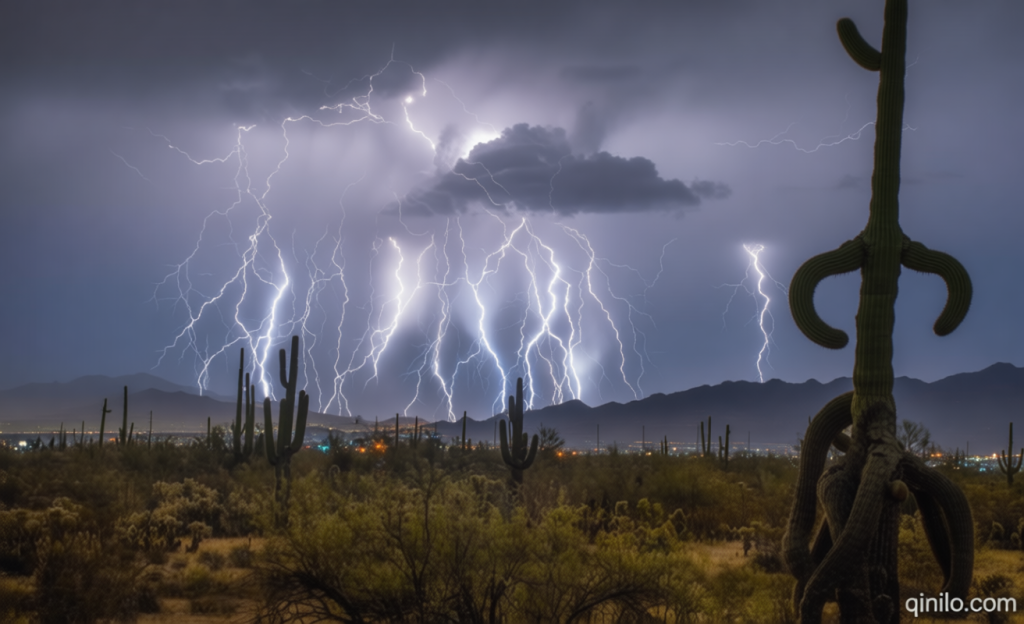
Global Climate Alert: Strong El Niño Ahead UN Weather Agency Warns of Intensifying Conditions
Qinilo.com – The World Meteorological Organization has issued a critical update regarding global climate patterns, signaling that a Strong El Niño ahead UN weather forecast is now in effect. As nations worldwide grapple with rising temperatures and unpredictable precipitation cycles, this atmospheric phenomenon is set to intensify significantly. The international body’s latest assessment confirms that El Niño—the powerful ocean-atmosphere interaction that shapes weather patterns across continents—will strengthen considerably starting in August and continue building through the fall season.
Scientific Projections and Temperature Anomalies
According to comprehensive multi-model analysis conducted by meteorological experts, sea-surface temperature anomalies in key monitoring regions are projected to exceed 2.9 degrees Celsius above normal levels. This substantial warming represents one of the strongest El Niño events in recent decades. The WMO’s monthly global seasonal climate assessment provides detailed insights into how this atmospheric pattern will develop, with particular emphasis on the period from August through October when conditions are expected to reach peak intensity.
Climate scientists note that these temperature projections are not isolated measurements but part of a broader pattern of oceanic warming that has been accelerating over the past several years. The current El Niño development occurs against a backdrop of record-breaking global temperatures, making this event particularly significant for weather forecasting and climate adaptation strategies worldwide.
Regional Weather Impacts and Precipitation Patterns
The strengthening El Niño will create divergent weather conditions across different geographic regions. Areas traditionally associated with increased rainfall may experience even more intense precipitation events, while regions prone to dry conditions could face extended drought periods. Tropical Atlantic sea surface temperatures are simultaneously projected to remain above historical averages throughout the forecast window, potentially influencing hurricane activity and other tropical weather systems.
These changing patterns have direct implications for agriculture, water resource management, and disaster preparedness. Farmers, urban planners, and emergency response coordinators must adjust their strategies to account for both increased flooding risks in some areas and heightened drought potential in others. The predictive models developed by the WMO provide crucial lead time for communities to implement protective measures before extreme weather events occur.
Leadership Statements on Climate Urgency
UN Secretary-General António Guterres delivered a powerful message about the compounding nature of current climate challenges:
“El Niño is strengthening, adding fuel to a planet already on fire with scorching heat domes, apocalyptic wildfires and record hot seas.”
“El Niño is not just on our doorstep; it is inside the house and turning up the heat, and this is only a warm-up act.”
The Secretary-General emphasized that fossil fuel emissions continue to exacerbate these natural climate cycles, creating a dangerous feedback loop. He called for immediate action to halt the expansion of coal, oil, and gas production, warning that continued reliance on these energy sources will result in increasingly volatile weather patterns and more severe climate impacts for vulnerable populations worldwide.
WMO Response and Global Coordination Efforts
WMO Secretary-General Celeste Saulo underscored the importance of human action in complementing scientific forecasting:
“The decisions we make today will shape the impacts we experience tomorrow,” she stated, affirming that the WMO and its member nations remain dedicated to delivering reliable, pertinent climate information to those who need it most.
The organization is currently expanding its coordination mechanisms to support governments, humanitarian agencies, and climate-sensitive sectors including agriculture and public health. Early warning systems are being enhanced to provide more accurate and timely information to communities at risk. This comprehensive approach recognizes that while forecasts themselves cannot prevent hazards, they enable people to take preventive action that saves lives and reduces economic losses.
As the Strong El Niño ahead UN weather projections become reality, the international community faces a critical opportunity to demonstrate resilience through coordinated preparedness efforts. The window for effective response remains open, but requires immediate commitment from all stakeholders to protect populations and infrastructure from the intensifying climate challenges ahead.