
Sudan conflict: Peace efforts resume to end ‘drone war’ fuelling humanitarian crisis
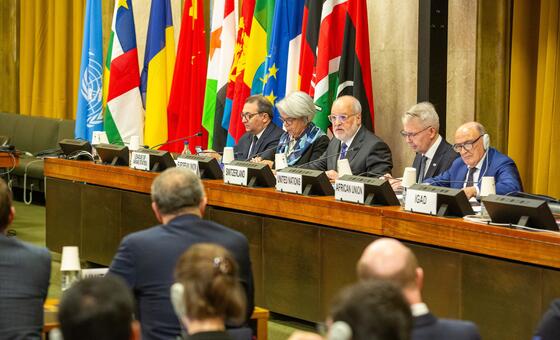
Geneva Talks Renew Push to End Sudan Conflict
Qinilo.com – International efforts to address the Sudan conflict resumed in Geneva, where representatives of nearly two dozen countries met with the United Nations to explore ways to reduce violence, expand humanitarian access and support a future political transition.
The war between the Sudanese Armed Forces (SAF) and the paramilitary Rapid Support Forces (RSF) began in April 2023, after the two groups had previously been allied in the 2021 military coup. As the fighting enters its fourth year, civilians continue to face displacement, hunger, insecurity and the breakdown of essential services.
The Geneva gathering is intended to strengthen coordination among mediators and organizations working on peace initiatives. Neither the Sudanese Government nor the RSF is participating, as the consultations are not direct talks between the warring parties.
Building conditions for a ceasefire
Pekka Haavisto, the Secretary-General’s Personal Envoy for Sudan, called on participants to identify practical steps that could lower tensions and help create conditions for a comprehensive ceasefire.
“Our first session, devoted to de-escalation, will offer an opportunity to explore practical ways forward,” Haavisto said, urging delegates to use their respective channels to build confidence.
Participants are also considering how a Sudanese-led transition could emerge through inclusive and credible dialogue. International partners stressed that their role is to support Sudanese people in determining their own country’s future, while recognizing the diversity of their experiences and views.
The consultations, formally known as the Consultative Meetings on Enhancing Coordination of Peace Initiatives and Efforts in Sudan, follow earlier sessions in Cairo, Djibouti, Nouakchott and Brussels.
Drone attacks deepen the humanitarian emergency
Drone strikes have become a dangerous feature of the Sudan conflict, with attacks affecting civilians and public infrastructure. Damage to facilities can disrupt healthcare, water supplies, transport, communications and the delivery of humanitarian assistance.
Alexandre Fasel, Switzerland’s State Secretary, said the war’s growing reliance on drones is exacting a severe toll on civilians. Switzerland is co-hosting the Geneva meeting with the UN.
“The war in Sudan has become a drone war; it kills mostly civilians,” Fasel said. “Famine-like conditions persist in Darfur, the Kordofan state and elsewhere in the country; it is the war that drives this hunger.”
Nearly 34 million people in Sudan need humanitarian support, according to figures cited from the UN Office for the Coordination of Humanitarian Affairs. The scale of the crisis underlines why ending the Sudan conflict is essential, while also showing the need for aid to reach people before a political settlement is achieved.
Speakers emphasized that international humanitarian law requires protection for civilians and access for humanitarian workers during active fighting. Relief and protection cannot wait for a ceasefire when people are suffering and dying now.
Children and education at risk
The conflict is also threatening Sudan’s younger generation. UNICEF has warned that eight million Sudanese children are out of school, creating immediate harm and jeopardizing the country’s prospects for recovery and long-term stability.
A lasting peace process must therefore address both urgent humanitarian needs and the conditions needed for children to return safely to education. Protecting civilians, restoring services and allowing aid deliveries remain central priorities as diplomatic efforts continue.
Frequently asked questions
Why are peace consultations being held in Geneva?
The Geneva meeting brings together countries and organizations involved in mediation to improve coordination, reduce violence and support conditions for a broader ceasefire and Sudanese-led political process.
Are the SAF and RSF taking part in the Geneva meeting?
No. The forum is designed for mediators and peace initiatives rather than direct negotiations between the Sudanese Government, the SAF and the RSF.
What is driving humanitarian needs in Sudan?
Fighting, displacement, hunger and damage to civilian infrastructure have left nearly 34 million people requiring humanitarian assistance. Aid access and civilian protection remain urgent even without a ceasefire.