
Thai youth leaders push for inclusion, partnership and lasting change
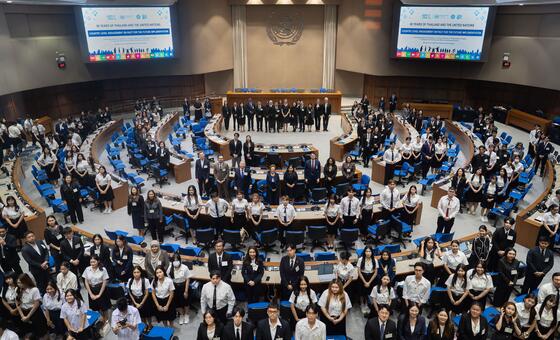
Thai Youth Leaders Advocate for Inclusion, Partnership, and Sustainable Progress
Qinilo.com – Thai youth leaders push for inclusion as they actively shape the future of their nation through innovative ideas and collective action. From grassroots movements to international summits, these young voices are challenging traditional frameworks and redefining the role of youth in governance, environmental stewardship, and social equity. Their efforts emphasize collaboration, ensuring that diverse perspectives are not only heard but integrated into policy-making processes. With a strong focus on empowering marginalized groups and fostering inclusive growth, the movement highlights how the next generation is driving transformative change in Thailand.
80th Anniversary Marks Youth-Driven Policy Dialogue
In 2026, Thailand celebrated its 80th anniversary as a United Nations member state, providing a platform for young activists to influence national and global discourse. Over 400 participants from across the country engaged in a nationwide conversation, underscoring the importance of youth involvement in shaping the nation’s future. This event marked a pivotal moment, as it brought together stakeholders to discuss how inclusive policies can address pressing issues such as inequality, climate change, and youth unemployment. By centering young voices in these discussions, the anniversary highlighted the potential for grassroots advocacy to drive systemic reform.
Building a Pact for the Future Through Youth Engagement
The UN’s Pact for the Future, a global framework adopted in 2024, became a focal point for Thai youth leaders advocating inclusion. This initiative seeks to unite member states in addressing contemporary challenges while ensuring equitable opportunities for future generations. Thai youth emphasized that the Pact’s success relies on incorporating their insights into decision-making. “Inclusion is not just a goal—it’s a process,” said Michaela Friberg-Storey, UN Resident Coordinator in Thailand. “Youth leaders are essential to ensuring that the Pact reflects the realities of communities on the ground.”
Strategies for Youth Empowerment and Inclusive Governance
Rattanachart Paengkum, assistant president of Thailand’s Children and Youth Council, argued that enhancing youth inclusion doesn’t require entirely new systems. Instead, it involves refining existing structures to create meaningful participation. “We already have mechanisms in place, but their effectiveness depends on how we use them,” he noted. “Inclusion means giving young people the tools to lead and the authority to act.” This perspective aligns with the broader vision of Thai youth leaders, who stress that collaboration with policymakers is vital to achieving sustainable progress.
Local to Global Impact: Youth as Change-Makers
Chairat Dipho, a young environmental advocate from Chiang Mai, demonstrated how local initiatives can gain international traction. His work on climate resilience in rural communities was showcased at COP30, where he connected with global leaders to share actionable solutions. “Youth leaders are not just participants—they are pioneers,” Dipho asserted. “When we are recognized as equals, progress can begin at home and ripple outward.” His experience reflects the growing influence of Thai youth on global platforms, reinforcing the need for inclusive representation in both local and international arenas.
Amplifying Indigenous Voices and Youth Representation
Marisa Yapangku, president of the Indigenous Youth Seed Network in Thailand, highlighted the importance of inclusive representation beyond urban centers. “Indigenous youth face unique challenges tied to both their heritage and gender, yet their insights are often overlooked,” she stated. “True inclusion means more than token participation—it requires action that reflects their realities.” Yapangku’s emphasis on localized platforms aligns with the broader call for systemic change, urging decision-makers to engage with youth from all backgrounds. “Representation without action is incomplete,” she added, stressing the need for policies that empower marginalized communities.
Technology as a Catalyst for Youth Inclusion
Panwasa Srikuna, a young advocate with visual impairment, shared how technology is reshaping opportunities for inclusive engagement. “AI now assists me directly in learning, replacing earlier reliance on volunteers,” she explained. “The challenge lies in ensuring institutions keep pace with these advancements.” Srikuna’s experience underscores the critical role of digital tools in bridging gaps and creating equal access for all youth. “Empowering young people with disabilities means ensuring their voices are not just heard, but heard equally,” she emphasized. Her insights highlight the intersection of innovation and inclusion, urging policymakers to leverage technology for broader youth participation.
These leaders collectively stress that Thai youth push for inclusion through a combination of grassroots activism, international collaboration, and systemic reform. By fostering partnerships and prioritizing equitable representation, they aim to create a future where every voice contributes to lasting change. Their efforts not only shape Thailand’s domestic policies but also influence global conversations, proving that youth-led inclusion is a cornerstone of sustainable development.