
UN chief urges Iran and US to ‘urgently resume negotiations’ as Gulf strikes escalate
UN Chief Urges Iran and US to Resume Negotiations Amid Escalating Gulf Tensions
Qinilo.com – The United Nations Secretary-General, António Guterres, has called on Iran and the United States to “urgently resume negotiations” in the wake of renewed hostilities in the Gulf region. With tensions reaching a critical point, Guterres emphasized the importance of diplomatic dialogue to prevent further escalation and safeguard regional stability. The latest developments have raised concerns about the potential for a full-scale conflict, prompting urgent appeals from the UN for both parties to prioritize dialogue over confrontation.
The Situation in the Gulf Region
The Gulf region has seen a dramatic increase in military activity as Iran and the United States clash over a series of strikes. On Saturday, the U.S. launched airstrikes targeting approximately 140 locations, retaliating against Iranian attacks on a commercial vessel operating in international waters. Meanwhile, Iran reportedly carried out strikes against a U.S. military base in Jordan, while the UAE, Bahrain, Oman, and Kuwait reported missile and drone attacks from Iranian forces. These coordinated actions have intensified the already volatile situation, with both sides accusing each other of provoking the conflict.
“The Secretary-General expressed deep worry over the significant escalation,” stated a UN spokesperson, advocating for “maximum restraint, no further provocative actions, and swift steps to reduce tensions.”
Guterres has consistently highlighted the risks of continued military posturing, warning that renewed hostilities could lead to severe humanitarian and economic consequences. He reiterated that the only way to restore calm is through “dialogue, not discord,” stressing the need for both Iran and the U.S. to return to the negotiating table. The UN’s calls for diplomacy come as the situation in the region remains precarious, with the potential for wider involvement from Gulf Arab states.
Economic Consequences of the Escalation
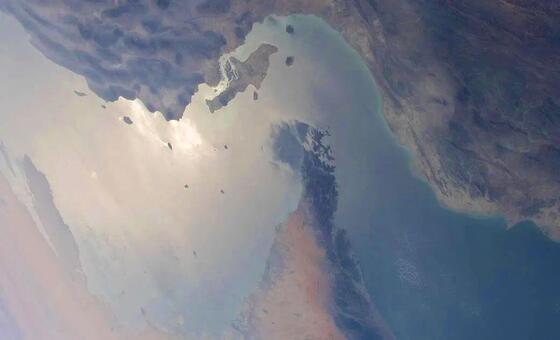
The recent escalation has had a profound impact on global energy markets, with the Strait of Hormuz—a vital artery for oil shipments—becoming a focal point of the conflict. The closure of this strategic waterway by Iran has disrupted maritime trade, leading to spikes in oil prices and raising fears of supply shortages. Approximately 6,000 sailors are now stranded on vessels unable to navigate the strait safely, further compounding the economic strain. Analysts warn that prolonged instability could have ripple effects on international trade and energy security, particularly for countries reliant on Gulf oil imports.
“Full navigation rights must be reinstated in the Strait of Hormuz,” said the head of the UN’s International Maritime Organization (IMO), urging vessels to avoid the route “until safety conditions are fully restored.”
Despite the 17 June agreement between Iran and the U.S. to ease tensions, the recent attacks have undermined this fragile ceasefire. Guterres has urged both nations to revisit the terms of their previous negotiations and address unresolved disputes, including Iran’s missile program and U.S. sanctions. The UN also emphasized the need for a coordinated response to protect civilian infrastructure and prevent collateral damage in the region.
The international community has expressed concern over the growing risk of a regional arms race, with Gulf states increasingly aligning their military strategies in response to threats from Iran and the U.S. Guterres called for a unified approach to de-escalate the situation, noting that cooperation among neighboring countries is essential to prevent the conflict from spiraling out of control. The UN’s focus remains on fostering trust and ensuring that diplomatic channels remain open to resolve the crisis peacefully.