
Ukraine: Latest Russian attack kills civilians, damages cultural landmark
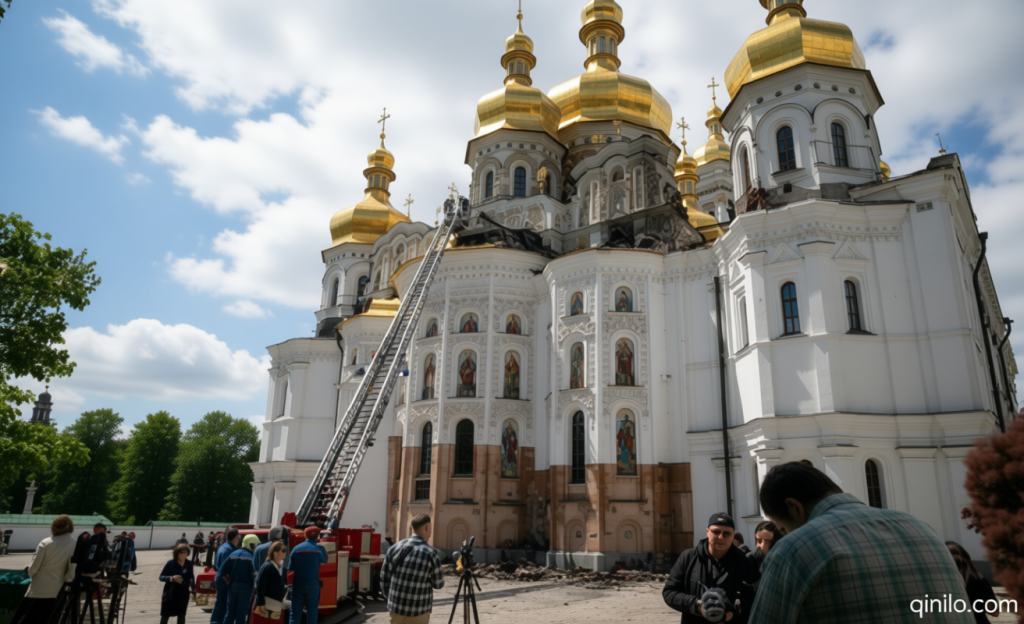
Ukraine: Recent Russian Attacks Escalate Civilian Casualties and Cultural Heritage Damage
Qinilo.com – Ukraine has once again become the focal point of intense conflict as recent Russian attacks have resulted in significant civilian casualties and the destruction of vital cultural landmarks. According to the United Nations, the strikes, which occurred in the early hours of June 2026, targeted Kyiv, Kharkiv, and several other cities, leaving a trail of devastation. The attacks not only claimed lives but also underscored the ongoing struggle to preserve Ukraine’s rich historical and cultural heritage amid the war. This latest wave of violence has intensified concerns about the protection of civilian populations and the impact on Ukraine’s identity as a nation.
Targeted Strikes on Urban Areas and Historical Sites
The attacks on Kyiv and Kharkiv marked a critical escalation in the conflict, with reports indicating that residential neighborhoods, educational institutions, and healthcare facilities were heavily impacted. In Kyiv, the once-iconic Kyiv-Pechersk Lavra, a UNESCO-listed World Heritage Site, bore the brunt of the assault. This historic monastery, home to the Dormition Cathedral and centuries-old frescoes, suffered extensive damage, with its stone walls and sacred halls reduced to rubble. The attack not only threatened the survival of Ukraine’s cultural legacy but also symbolized a deliberate strategy to target the country’s religious and historical roots.
Additionally, other landmarks in Ukraine, including museums, libraries, and churches, reported damage or partial destruction. The UN Office for the Coordination of Humanitarian Affairs highlighted that these sites are often used as shelters for civilians, further compounding the humanitarian crisis. “The targeting of cultural landmarks is a clear signal that the war is not just about military objectives but also about erasing Ukraine’s heritage and the shared memory of its people,” remarked Matthias Schmale, the UN Humanitarian Coordinator for Ukraine.
Humanitarian Impact and Escalating Casualty Rates
As the attacks continued, the toll on Ukrainian civilians grew more alarming. In Kyiv alone, nearly 30 residential buildings were reduced to ruins, forcing thousands to seek refuge in safer areas. Over 140,000 households experienced power outages due to strikes on the city’s infrastructure, including energy grids and communication networks. This disruption has hindered daily life, leaving communities in darkness and cutting off essential services.
Meanwhile, in Kharkiv, the situation took a tragic turn when a double-tap attack targeted rescue workers who had already responded to a prior incident. Four emergency personnel were killed, and six others sustained injuries during the assault. This incident reflects the increasing danger faced by first responders in Ukraine, who risk their lives to protect civilians under relentless bombardment. The United Nations has called for urgent measures to ensure the safety of those working in humanitarian roles, emphasizing that such attacks violate international law and show a disregard for human life.
“The destruction of cultural landmarks is not incidental—it is calculated,” said Schmale. “These attacks aim to sever Ukraine’s connection to its past and weaken its resolve to continue fighting for its future.”
Broader Context of the Conflict in Ukraine
The attacks in June 2026 followed a weekend of intense combat along Ukraine’s eastern front and border regions, which saw at least 18 civilians killed and over 150 injured. The UN reports indicate that May 2026 recorded the highest monthly casualties of non-combatants in four years, highlighting a disturbing trend in the war’s toll on everyday Ukrainians. The pattern of violence suggests that the conflict is evolving into a more sustained and destructive phase, with both sides intensifying their efforts to gain strategic advantage.
Analysts note that the focus on cultural sites in Ukraine aligns with broader tactics used by Russia to destabilize the nation’s morale and historical continuity. The Kyiv-Pechersk Lavra, for instance, is not just a religious center but a symbol of Ukraine’s resilience and national pride. Its damage has sparked outrage among global audiences, with calls for increased international support to aid Ukraine’s recovery efforts. The country’s leaders have reiterated their commitment to defending these sites, viewing them as essential to maintaining Ukraine’s cultural identity in the face of ongoing aggression.
As the war in Ukraine persists, the need for coordinated international action becomes more urgent. Countries across Europe and North America have pledged support to Ukraine, including military aid, humanitarian assistance, and diplomatic backing. However, the rapid pace of destruction and the strategic targeting of heritage sites have raised questions about the effectiveness of current measures. The UN and other organizations are urging greater awareness of the cultural and historical significance of Ukraine’s landmarks, advocating for their protection as part of the broader effort to safeguard civilians.
“Ukraine’s cultural heritage is a casualty of war, and its preservation is vital for the nation’s future,” said Schmale. “Every building, every monument, represents a part of Ukraine’s story—one that cannot be rebuilt if we allow it to be erased.”
With the attacks continuing, the situation in Ukraine remains dire. The destruction of residential areas and cultural landmarks has left a profound impact on the population, both physically and emotionally. The UN continues to monitor the crisis closely, urging all parties to adhere to international humanitarian law and prioritize the protection of civilians and heritage sites. As Ukraine stands at a crossroads, the world watches to see how the nation will recover from these attacks and rebuild its cultural and social fabric in the years ahead.