
UN Syria inquiry presses for answers on missing detainees after wide-ranging visit
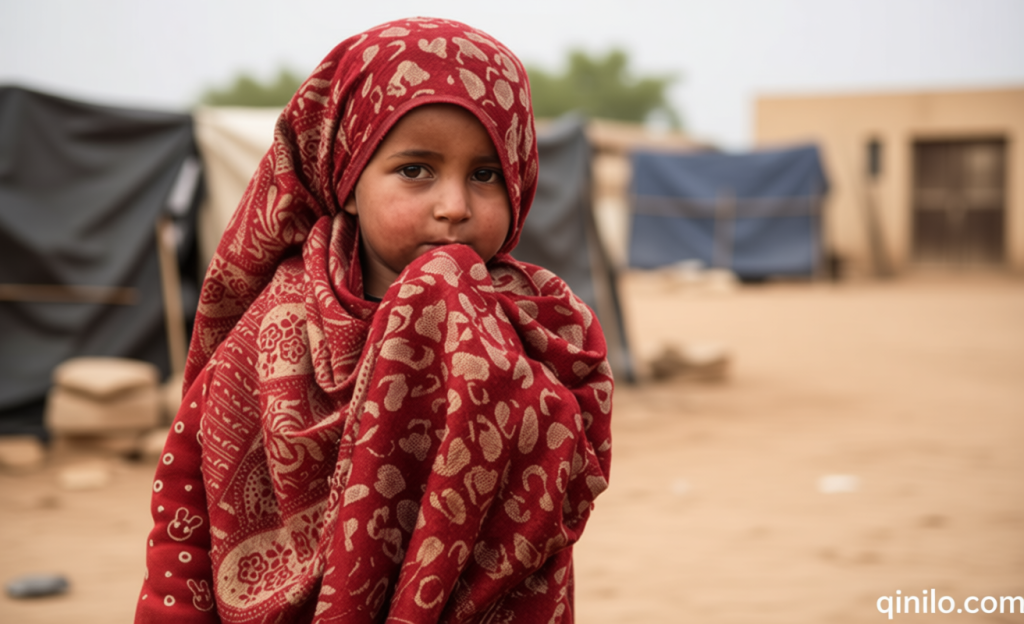
UN Syria Inquiry Seeks Answers on Disappeared Detainees
Qinilo.com – The United Nations Syria inquiry has intensified its call for transparency regarding the fate of thousands of detainees who have vanished without explanation. Following a comprehensive two-week visit to the war-torn country, the independent commission has urged the Syrian government to provide detailed accounts of the missing individuals and hold accountable those responsible for their disappearance. The mission, led by experts Monia Ammar and Fionnuala Ní Aoláin, engaged with victims, officials, and civil society representatives from July 1 to 7, highlighting critical gaps in the country’s detention practices and human rights frameworks.
Escalating Violence and Security Challenges
The inquiry’s journey began and ended under the shadow of violence, as attacks in Damascus underscored the risks faced by investigators. Improvised explosive devices struck a café near the Justice Ministry and an area close to the Four Seasons Hotel, resulting in civilian casualties. These incidents drew sharp criticism from the commission, which called for solidarity with the families of the victims and condemned the use of violence to suppress dissent. The mission also emphasized the need for the Syrian government to ensure the safety of those cooperating with the investigation.
“The security threats we encountered reflect the broader challenges of accountability and justice in Syria,” stated the commission, underscoring the urgency of addressing the disappearances.
Transitional Justice Progress and Ongoing Concerns
While the commission acknowledged progress in Syria’s transitional justice efforts, including the initiation of trials for abuses committed during the former Assad regime, it stressed the importance of adhering to fair trial standards. The inquiry urged the government to revise its legal system to align with international norms, ensuring that all detainees receive due process. However, discrepancies in how the law is applied continue to raise concerns about impartiality and the potential for political bias in the judicial system.
Detention Practices and the Search for Clarity
Detention remains a focal point of the commission’s findings. Despite government assurances of improved conditions, families of missing detainees report persistent difficulties in locating relatives held in custody. Many have been detained for extended periods without judicial review, fueling fears of arbitrary imprisonment. The inquiry also raised alarms about the northeast region, where Roj camp houses over 60% minors. It called for the repatriation of nationals from the camp and the release of those detained without clear cause, emphasizing the need for Damascus to clarify the status of approximately 3,500 Syrians reportedly moved to Iraq.
“The Syrian government must demonstrate a commitment to accountability by addressing the systemic issues in its detention system,” the team asserted.
Regional Conflicts and Human Rights Violations
During their visit to Hassakeh, the commission noted that over 1,000 fighters captured during January’s clashes between government forces and the Kurdish Syrian Democratic Forces had been freed. Yet, the fate of around 800 others remains unresolved, with no clear information provided to their families. In Homs, investigators highlighted vigilante violence targeting individuals associated with the old regime, demanding immediate and unbiased investigations into all killings linked to these attacks. They also called for compensation for property losses, particularly for women who head households and are unable to reclaim their homes due to ongoing conflicts.
Israeli Incursions and Their Impact
Meanwhile, the commission’s examination of Israeli activities in Syrian territory revealed reports of military incursions, detentions, and home demolitions. These actions, often targeting civilians, have raised questions about the legality of Israeli operations in the region. The inquiry urged Israel to restore access to farmland and roads in Quneitra and to release civilians detained without justification, stressing the importance of protecting vulnerable populations in Syria’s border areas.
Education and Access to Essential Services
The commission praised efforts to unify school curricula and allow undocumented children to attend classes, noting the symbolic significance of these steps in promoting inclusivity. However, challenges persist in Sweida, where students in volatile regions are still unable to take final exams, hindering their educational progress. The inquiry highlighted the need for the government to address these barriers, ensuring access to basic services for all communities. This focus on education reflects a broader commitment to restoring stability and opportunity for Syrians affected by the conflict.
“Expanding access to education is a critical component of rebuilding Syria’s future,” the team emphasized, linking it to the broader goals of transitional justice.