
Venezuela: IOM warns of potential El Niño threat to families displaced by earthquake
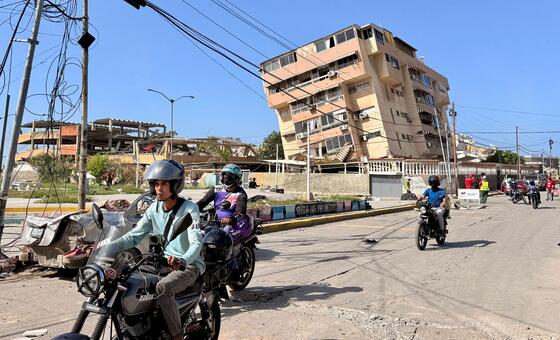
Venezuela Faces El Niño Threat Amid Earthquake Displacement
Qinilo.com – Venezuela is currently grappling with the aftermath of a devastating earthquake that struck the country three weeks ago, displacing thousands of families and causing over 4,000 fatalities, as reported by international humanitarian organizations. The International Organization for Migration (IOM) has issued an urgent alert, warning that the onset of El Niño could worsen the humanitarian crisis in Venezuela by intensifying climate-related challenges and straining resources for displaced communities.
El Niño’s Potential to Exacerbate Displacement Crisis
The El Niño phenomenon, characterized by warmer-than-average sea surface temperatures in the Pacific Ocean, is expected to bring extreme weather patterns to Venezuela in the coming months. These could include prolonged droughts, heavy rainfall, and rising temperatures, all of which threaten to disrupt recovery efforts and deepen the suffering of those already in crisis. With Venezuela’s infrastructure already weakened by years of economic hardship, the combination of natural disasters and climate stressors could create a perfect storm for vulnerable populations.
“The seismic event has already placed immense pressure on Venezuela’s humanitarian systems, and El Niño’s arrival could compound these challenges,” said IOM spokesperson Maria Garcia. “Without sustained support, families displaced by the earthquake may face prolonged food shortages, water scarcity, and health risks.”
Humanitarian Response and Recovery Priorities
As the immediate emergency phase begins to transition, IOM and its partners are shifting focus from emergency relief to long-term recovery. This includes efforts to rebuild homes, restore essential services, and support livelihoods in affected regions. However, the unpredictability of El Niño means that the humanitarian community must remain vigilant and adapt strategies to address potential secondary crises, such as landslides or flooding, which could displace even more people.
“El Niño is not just a weather event—it’s a critical factor that could determine the success of recovery programs,” noted IOM’s Disaster Risk Reduction Coordinator, Lucas Guedes Hackradt. “We’re working closely with local authorities to develop contingency plans, ensuring that aid operations remain resilient under adverse conditions.”
Collaborative Efforts and Aid Distribution
The response to the earthquake has seen a coordinated effort between the Venezuelan government, UN agencies, and international organizations like the IOM. Over 7,000 individuals have received direct assistance, including temporary shelter, medical care, and psychological support. Additionally, more than 20,000 people have been helped by local initiatives, highlighting the importance of community-driven recovery alongside global aid.
“While our teams are working tirelessly to meet immediate needs, we must also prepare for the longer-term impacts of El Niño,” emphasized IOM’s Chief of Mission in Venezuela, Leah Poggio. “This requires not only more resources but also a proactive approach to safeguarding the most vulnerable households.”
El Niño’s Climate Impacts on Venezuela
El Niño events have historically affected Venezuela’s climate, often leading to erratic weather patterns that disrupt agriculture, water supply, and transportation networks. The recent earthquake has compounded these risks, leaving communities exposed to both structural vulnerabilities and environmental stressors. For instance, heavy rainfall linked to El Niño could saturate the ground, increasing the likelihood of landslides in already damaged areas.
Furthermore, prolonged droughts could threaten food security, particularly in regions where the earthquake has destroyed farmland or disrupted supply chains. The IOM has warned that these climate challenges could force more families into displacement, creating a cycle of hardship that will require sustained international attention and support.
Future Challenges and Call for Continued Support
As Venezuela navigates the dual threats of seismic damage and climate change, the IOM has urged donors and governments to maintain funding for humanitarian operations. The organization’s latest appeal highlights the need for resources to expand shelter programs, improve water and sanitation access, and provide long-term employment opportunities for displaced individuals. With El Niño’s effects likely to intensify in the next year, the IOM stresses that recovery efforts must remain flexible and responsive to evolving needs.
“The people of Venezuela deserve our commitment to rebuilding not just their homes, but their lives,” said Ms. Poggio. “El Niño represents a new phase of the crisis, and we must ensure that no family is left behind in the race to recovery.”
With the earthquake’s immediate toll still being assessed and El Niño’s potential to amplify the crisis, the international community’s role in supporting Venezuela’s displaced families has never been more critical. The IOM’s warning underscores the need for a comprehensive approach that integrates disaster response with climate resilience, ensuring that Venezuela’s most vulnerable populations can withstand the combined challenges of natural disasters and environmental shifts.