
World News in Brief: Sudan and Haiti updates, Afghan women’s rights
Global Briefing: Sudan and Haiti Developments, Afghan Women’s Rights Concerns
Qinilo.com – The United Nations has expressed growing concern about ongoing drone strikes in Sudan’s Darfur region, following reports of civilian casualties that have heightened anxieties among communities enduring a harsh military conflict. These attacks, which have reportedly led to the deaths of numerous individuals, are exacerbating the already dire conditions for civilians caught in the crossfire between rival armed groups.
Sudan’s Ongoing Conflict
Since April 2023, the Rapid Support Forces (RSF) have been engaged in a fierce struggle against their previous allies within Sudan’s military government, vying for dominance over the nation’s political and military control. This prolonged conflict has left entire regions destabilized, with humanitarian aid struggling to reach those in need due to restricted access and escalating violence.
Recent reports indicate that two towns in North Darfur, near the border with Chad, were targeted by drone strikes, resulting in at least 12 casualties. The UN’s Deputy Spokesperson provided these details to journalists on Tuesday, emphasizing the urgent need for accountability and measures to protect civilian populations. Further attacks in Al Tina and Kornoi earlier this week added to the toll, with multiple fatalities and injuries reported, including the tragic loss of children and the wounding of civilians.
Humanitarian Impact and UN Response
The UN has issued a stark warning that the increased reliance on drone attacks is amplifying the peril faced by civilians in areas already ravaged by displacement and instability. These aerial strikes, combined with ground combat, are creating a precarious environment for vulnerable populations, including women, children, and the elderly, who lack the means to escape harm.
At the same time, the UN Secretary-General’s Personal Envoy for Sudan, Pekka Haavisto, remains actively involved in diplomatic initiatives aimed at easing tensions and safeguarding civilian lives. His efforts are part of a broader strategy involving regional and international partners to prepare for a potential Sudanese-led political dialogue. The UN continues to urge all parties to uphold their responsibility to protect civilians and allow humanitarian aid to flow unimpeded to those in need.
Humanitarian Challenges in Haiti
Meanwhile, the UN aid coordination office, OCHA, has highlighted a worsening crisis in and around Port-au-Prince, the capital of Haiti. The situation has deteriorated sharply since mid-May, with gang-related violence surging and displacing thousands of residents. In particular, the neighborhood of Cité Soleil has become a focal point of unrest, forcing families to flee their homes in search of safety.
According to recent data from the UN migration agency IOM, over 17,500 people—equivalent to more than 4,200 households—have been displaced in the past two weeks. A significant majority of these individuals are now residing in 33 designated shelters, while others have sought refuge with families already grappling with hardship. OCHA has noted that the demand for essential supplies such as food, clean water, medical care, and hygiene products is rising rapidly, straining existing resources.
Conditions at the displacement sites, including inadequate lighting and limited infrastructure, have raised alarms about the safety of those seeking shelter. UN Deputy Spokesperson Farhan Haq stated during a Tuesday briefing that children separated from their families, pregnant women, and individuals with disabilities face heightened risks in these environments. Despite the challenges, humanitarian organizations continue to provide aid, with OCHA playing a central role in coordinating relief efforts to maximize efficiency and reach.
Women’s Rights in Afghanistan Under Threat
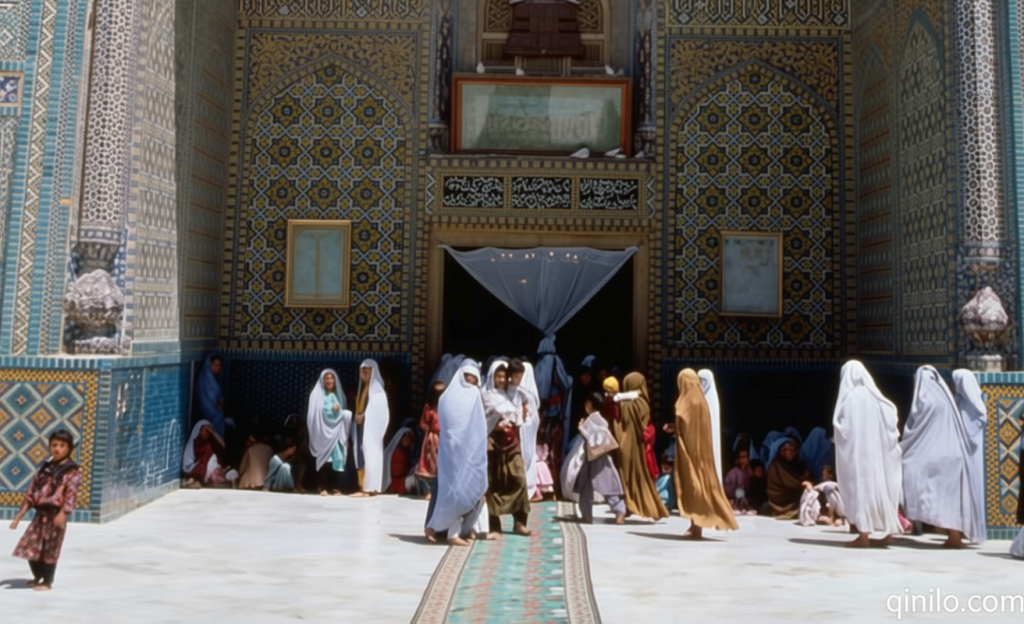
The UN gender equality agency, UN Women, has raised urgent concerns about a new Taliban decree that is further undermining the rights of Afghan women and girls. This development occurs nearly five years after the Taliban retook control of the country, marking a continued erosion of progress made in recent years.
Taliban Decree and Women’s Rights
Decree No. 18, issued by Afghanistan’s de facto Ministry of Justice on 14 May, establishes rules governing marital separation and has sparked fears of a resurgence in child marriage and the difficulty of women leaving abusive relationships. Unlike previous laws, this decree does not specify a minimum age for marriage, allowing minors to be wed without legal constraints. Furthermore, it requires a girl to reach puberty before her marriage can be annulled, significantly limiting her autonomy.
Women seeking divorce now face greater legal hurdles, with the decree mandating multiple witness testimonies to substantiate claims of separation. This places additional burdens on women, who often lack access to legal support or the means to gather evidence. Husbands are granted increased authority in resolving marital disputes, reinforcing traditional gender roles and diminishing women’s agency.
UN Women’s Call for Reform
“This again highlights that men and women are no longer equal before the law in Afghanistan,” said Susan Ferguson, the UN Women Special Representative in the country. The agency has emphasized the need for Taliban authorities to revisit their policies and align them with international human rights standards. Without intervention, the decree risks deepening the marginalization of women and girls, particularly in regions where cultural norms already prioritize male dominance.
UN Women is urging the Taliban to take corrective action to ensure that laws and policies reflect the principles of gender equality. The agency is also working closely with local and international partners to advocate for reforms and support women’s rights initiatives. However, the implementation of these measures remains uncertain, as the Taliban continues to consolidate power and enforce stricter societal controls.
The ongoing challenges in Sudan, Haiti, and Afghanistan underscore the global nature of humanitarian and human rights crises. While the UN and its affiliated bodies strive to mitigate suffering and promote stability, the situation in each region demands sustained attention and coordinated action. The displacement of thousands in Haiti, the civilian toll in Darfur, and the diminishing rights of Afghan women all highlight the urgent need for international solidarity and policy change.