
Yemen: Houthi siege, cholera outbreak and aid cuts put civilians in the crosshairs
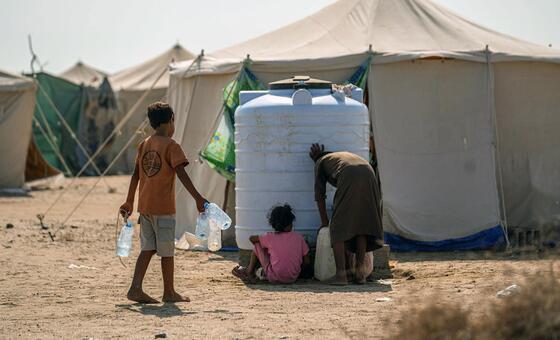
Taiz Faces Deepening Humanitarian Emergency as Blockade Tightens
Qinilo.com – Yemen’s city of Taiz is confronting a rapidly worsening emergency, with food, fuel and essential household supplies becoming harder to obtain after fighting and restrictions on access intensified. The southwestern city, Yemen’s third largest, has endured years of conflict, but the latest developments are placing even greater pressure on civilians already living through a prolonged crisis.
Taiz has been one of the principal front lines in Yemen since the war began in 2014 between the Iran-backed Houthi movement and the internationally recognized, Saudi-backed Yemeni government. The city has remained under Houthi siege since 2015. At the beginning of October, the blockade became more severe when the Houthis took control of the final main route linking Taiz with government-held territory.
The move came during a wider Houthi operation launched in early September along Yemen’s southwestern Red Sea coast, where the group has sought to capture strategically important areas. For residents of Taiz, the consequences extend far beyond the battlefield: the loss of reliable transport routes is disrupting the arrival of staples, medical materials and fuel.
Food and fuel supplies under acute strain
Available stocks of wheat and flour in Taiz may be exhausted in under three weeks. At the same time, food costs have risen by roughly 50 per cent, making basic meals increasingly unaffordable for families whose resources have already been depleted by years of war. Cooking gas has also become scarce, creating another daily obstacle for households trying to prepare food.
Fuel shortages are compounding the problem. Petrol prices have tripled, affecting transportation, water distribution and health services. In a city where many systems depend on fuel to operate, shortages can quickly spread into other areas of civilian life. Water supply networks, ambulances, health facilities and the movement of goods all become more difficult to sustain when fuel is unavailable or prohibitively expensive.
The United Nations has urged all parties to meet their obligations under international humanitarian law and protect non-combatants as the conflict escalates.
“We continue to urge [the parties] to… uphold their obligations under international humanitarian law and to refrain from direct attacks against civilians and civilian infrastructure and take constant care to spare both civilians and the infrastructure they use,”
The appeal underscores the particular danger faced by civilians when roads, utilities and public services are caught in the effects of military operations. Access routes are not simply transport corridors; they are lifelines for food deliveries, medicines, fuel and humanitarian assistance.
Displacement and disease add to Yemen’s burden
Taiz’s emergency is unfolding alongside a broader public-health crisis across Yemen. Escalating violence and the displacement of large numbers of people have interrupted health services and pushed families into crowded shelters, often without dependable access to clean water. Those conditions have accelerated the spread of cholera, an acute intestinal infection that can be fatal and is commonly transmitted through food or water contaminated with human waste.
Yemen has recorded 8,034 suspected cholera cases and 27 deaths this year. One quarter of those suspected cases occurred during the previous four weeks, showing how quickly the outbreak has intensified. Since August, 200,000 people have been displaced, a period that has coincided with a sharp rise in cholera transmission.
Displacement can make disease prevention much more difficult. Families forced from their homes may lose access to familiar water sources, sanitation facilities and medical care. Overcrowding can also make it harder to isolate illness or maintain hygiene, while damaged or overstretched health systems may struggle to identify and treat cases early.
Low vaccination coverage raises further concerns
Cholera is not the only threat confronting Yemen’s children. More than 22,800 suspected measles cases and 128 deaths have been documented this year. The country’s vaccination coverage is estimated at just 45 per cent for each of the two recommended doses, leaving many children vulnerable to vaccine-preventable illnesses.
Health facilities are already treating thousands of people injured in the conflict while attempting to respond to the growing number of infectious-disease cases. Around 500 health facilities across nine affected governorates do not have partner support, limiting their ability to maintain services when demand is rising.
The World Health Organization is working with Yemen’s government to reinforce disease surveillance, laboratory testing and treatment. However, its 90-day emergency response remains severely short of funds. The programme requires $31 million but has received only $4.3 million, or less than 14 per cent of the amount needed.
“Without urgent funding and unimpeded access to safe water, vaccination and essential health services, outbreaks could spread rapidly among already vulnerable communities,” said WHO official Dr Annette Heinzelmann.
The warning reflects the interconnected nature of Yemen’s crisis. Conflict can close roads and displace communities; displacement can weaken access to water and sanitation; and strained health services can leave outbreaks harder to contain. In Taiz, the worsening siege adds an immediate supply emergency to national concerns over cholera, measles and inadequate medical support.
For civilians, the impact is measured in daily decisions about food, water, transport and medical care. Restoring safe humanitarian access, maintaining health services and ensuring the delivery of essential supplies are critical to preventing an already devastating situation from deteriorating further.
Related Reading
Frequently Asked Questions
What is Yemen?
Yemen is the main topic of this guide. The article explains the context, practical details, and next steps readers should understand.
Why does Yemen matter?
Yemen matters because readers are looking for a useful answer, not just a short summary. Good content should match search intent and help them decide what to do next.