
From Libyan deserts to 3D-printed guns: The weapons that never go away
From Libyan Deserts to 3D-Printed Guns: The Enduring Threat of Illicit Weapons
Qinilo.com – Long after the dust of conflict settles and news coverage fades, the arms used to ignite wars often linger in the world, continuing to shape violence in unexpected ways. These weapons—sometimes discarded, sometimes stolen, and often sold on the black market—remain a persistent source of instability, crossing borders and fueling crimes that extend far beyond their original purpose. In recent years, the rise of untraceable firearms and advanced smuggling networks has introduced fresh complexities, challenging governments to adapt their strategies for weapon control.
The Rise of Technological Challenges
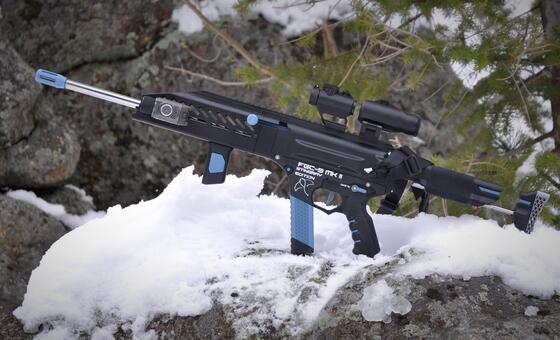
The proliferation of untraceable firearms, such as those made with 3D-printing technology, has created a new frontier in the global arms trade. These weapons, often assembled from modular parts or entire kits, are designed to evade identification, making it nearly impossible for authorities to track their origins. As technology evolves, the ability to manufacture arms outside conventional systems grows, amplifying concerns about how easily these weapons can be distributed to criminal or militant groups.
At the heart of this issue is the growing sophistication of illicit trafficking networks. These groups exploit innovations in manufacturing to bypass regulations, producing weapons that are not only harder to trace but also more accessible to individuals and organizations with limited resources. The UN’s lead disarmament official, Izumi Nakamitsu, highlighted this trend during recent discussions at the organization’s headquarters, emphasizing how conflicts end but weapons remain a silent force in destabilizing regions long after peace is declared.
Weapons as a Legacy of Conflict
Libya serves as a striking example of how weapons from one conflict can ripple across continents. During and after the 2011 uprising that toppled Muammar Gaddafi, an estimated 100,000 firearms were seized, with many subsequently resurfacing in the Sahel region. Countries like Niger, Burkina Faso, and Nigeria have since faced challenges as these arms found their way into the hands of extremist groups, illustrating the long-term consequences of unchecked weapon distribution.
Small arms, such as pistols and assault rifles, are particularly dangerous because they can be wielded by a single individual. Their portability and ease of use make them a favorite tool for both rebels and criminals. Light weapons, including machine guns and grenade launchers, pose an even greater threat when operated by small crews, capable of inflicting widespread damage in a short time. These weapons are not just relics of war—they are active participants in ongoing cycles of violence.
The Human Cost of Unregulated Arms
Illicit weapons are tied to a range of human rights violations, from targeted killings to acts of sexual and gender-based violence. In regions like Latin America and the Caribbean, small arms are responsible for a staggering 70 to 80 percent of violent deaths, contributing to some of the world’s highest homicide rates. Countries such as Mexico and Colombia have seen entire communities affected by the persistent presence of these arms, often linked to organized crime syndicates that control drug trafficking and other illicit activities.
Sub-Saharan Africa also faces significant challenges as the spread of small arms undermines peacebuilding efforts. Even after formal fighting ends, weapons retained by militias or local communities for self-defense can reignite hostilities, creating new conflicts that are harder to resolve. The ability of these arms to remain in circulation for decades is a testament to their durability and the difficulty of tracking them once they enter the black market.
Global Responses and Frameworks
In recognition of these dangers, UN Member States have taken steps to address the problem. A key initiative was the adoption of an action program in 2001, which aimed to strengthen national laws, secure weapon stockpiles, and enhance international collaboration. This framework laid the groundwork for future efforts to combat the illicit arms trade, including the creation of the International Tracing Instrument in 2005. The instrument established global standards for marking, recording, and tracing firearms, enabling investigators to track their journey from production to use.
Through technical assistance, policy guidance, and training programs, the UN continues to support countries in improving their weapon tracing systems and border controls. These efforts are critical in reducing the risk of arms being diverted from legal stockpiles to criminal networks. Yet, the persistence of ghost guns and other innovations highlights the need for constant adaptation. As Ms. Nakamitsu noted, “The end of the conflict does not mean the end of the circulation of those weapons… it stays and it continues to harm people.”
A Broader Impact on Development
The consequences of illicit weapons extend beyond immediate violence, influencing development and governance in profound ways. In regions with weak institutions, the presence of unregulated arms can enable corruption, empower armed groups, and deter investment. For example, the spread of firearms in post-conflict areas often leads to prolonged instability, delaying economic recovery and social reconciliation. The UN has repeatedly stressed that addressing the arms trade is not just a security concern—it is a vital component of peacebuilding and sustainable development.
With the rise of 3D-printing technology, the challenge has become more intricate. Components of entire firearms can now be produced in homes or remote workshops, bypassing traditional manufacturing hubs and regulatory checkpoints. This innovation has made weapons more accessible, particularly in areas with limited access to legal markets. Experts warn that such advancements could lead to a surge in untraceable firearms, further complicating efforts to monitor and control their use.
Conclusion and Call to Action
As the world grapples with the lingering effects of past conflicts, the need for robust international cooperation has never been greater. The UN’s action program and tracing frameworks provide a foundation, but they require ongoing refinement to keep pace with technological changes. Izumi Nakamitsu’s remarks underscore the urgency of this task, noting that the weapons used in one conflict can have far-reaching impacts on neighboring regions and global security.
The challenge of illicit weapons is not static—it evolves with each new innovation and shift in geopolitical dynamics. From the deserts of Libya to the streets of Latin American cities, these arms continue to shape the lives of millions, fueling violence, corruption, and instability. Governments must remain vigilant, investing in systems that can trace, regulate, and secure weapons in an era where technology makes them more elusive than ever.
“Those weapons or weapon parts, if they are disassembled and then trafficked, [are] more difficult to trace,” Ms. Nakamitsu said.
“It is not just a security issue. It is also about peacebuilding. It is about human rights. It is also about development,” Ms. Nakamitsu said.
“Small arms could well be the single biggest killer of civilians in the world today,” former Secretary-General Kofi Annan once remarked, underscoring their devastating impact on communities and the need for coordinated global action.