
Children are dying as US sanctions push Cuba to the brink, warns UN human rights chief
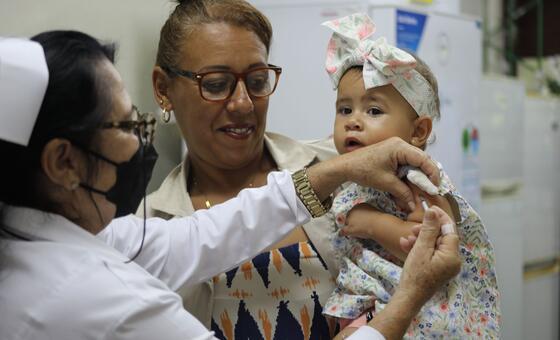
US Sanctions Crisis: Children Dying in Cuba, UN Warns
Qinilo.com – Cuba is on the verge of a humanitarian catastrophe as U.S. sanctions intensify, according to Volker Türk, the United Nations High Commissioner for Human Rights. In a recent statement, Türk highlighted that children are dying due to the severe impact of the sanctions, which have crippled essential services and pushed the nation into a critical state. The restrictions on fuel and extraterritorial measures, including targeting traders, insurers, and financial institutions, have created a dire situation that threatens the livelihoods of millions, particularly the most vulnerable populations.
Sanctions and the Collapse of Infrastructure
The U.S. government declared a national emergency in January 2026, triggering a wave of sanctions that have disrupted Cuba’s infrastructure and economic stability. These measures have led to a significant decline in oil reserves, resulting in daily blackouts lasting over 20 hours. The crisis has strained the nation’s ability to maintain basic services such as electricity, transportation, and healthcare. With supply chains increasingly fragmented, the effects of these sanctions are felt across all levels of Cuban society.
Mr. Türk emphasized that the current sanctions package, which includes extraterritorial measures, is not only harming the economy but also directly impacting the lives of Cuban citizens. The restrictions have limited access to essential goods, including medical supplies, food, and water, creating a severe strain on the population. As the economy contracts, the human rights chief warned that the situation could worsen without immediate intervention.
Healthcare System in Crisis
One of the most alarming consequences of the U.S. sanctions is the collapse of Cuba’s healthcare system. The United Nations Office of the High Commissioner for Human Rights (OHCHR) reported that infant mortality rates have nearly doubled, reaching 9.9 per 1,000 births. Childhood cancer survival rates have also plummeted from 85 to 65 percent, as the shortages of critical medicines and equipment prevent timely treatment. Doctors are struggling to provide adequate care, with many patients forced to rely on outdated or insufficient supplies.
“The fuel restrictions imposed since early 2026 and the recent tightening of extraterritorial sanctions, taken together, are directly harming Cubans, especially the most vulnerable,” Mr. Türk stated. “Children are dying because doctors lack access to essential medical supplies and medicines. This is unacceptable.”
Compounding Crises and Daily Life
The crisis has spiraled beyond healthcare, affecting every aspect of daily life in Cuba. Fuel shortages have not only caused blackouts but also disrupted food production, leading to a 60 percent decline in output and sharp increases in basic food costs. The lack of fuel has slowed transportation, making it harder for medical teams to reach remote areas, particularly rural communities where access to care is already limited. Additionally, the restrictions have impacted the ability of schools to operate, with some students missing classes due to power outages and transportation delays.
Mr. Türk warned that the compounding effects of the sanctions are creating a perfect storm of social and economic hardship. The nation’s limited access to global financial systems and reduced airline operations have further isolated Cuba, making it difficult to import goods and services. With rising summer temperatures, the risk of vector-borne and waterborne diseases is increasing, compounding the challenges faced by the population.
Global Response and Calls for Action
As the situation deteriorates, the international community is being urged to take action. Mr. Türk called on businesses and financial institutions to avoid complete disengagement from Cuba, emphasizing the need for continued support to sustain critical services. He also highlighted the importance of protecting civil liberties and releasing individuals detained without due process. The UN chief stressed that the current sanctions regime violates fundamental principles of international human rights law, with broad and harsh consequences for the Cuban people.
“Cuba faces increasing isolation. Companies are leaving. Fewer airlines fly to the country. It is almost disconnected from international payment systems,” Mr. Türk noted. “The hurricane season further increases exposure. This creates a perfect storm for social and economic deterioration and suffering for the Cuban people.”
Long-Term Consequences and Future Risks
Without urgent measures, the long-term consequences of the U.S. sanctions could be devastating. The OHCHR report highlights that the current crisis has already led to a 30 percent reduction in the availability of essential medicines, with the situation expected to worsen as the months progress. The lack of access to clean water and food has also raised concerns about malnutrition and dehydration, particularly among children who are already struggling with limited healthcare resources.
Experts warn that the prolonged sanctions could lead to a humanitarian emergency, with potential long-term effects on the health and development of the Cuban population. The UN human rights chief stressed that the crisis is not just a temporary setback but a growing threat to the well-being of the nation’s children, who are bearing the brunt of the economic and social challenges. The situation demands immediate attention from global leaders to prevent irreversible harm.
Children as the Most Vulnerable
Children are particularly at risk due to the multifaceted impact of the sanctions. The lack of electricity has forced many families to rely on makeshift solutions for heating and cooling, while the shortage of food has led to malnutrition and weakened immune systems. In healthcare, the inability to procure essential medicines and equipment has resulted in delayed treatments and higher mortality rates. The OHCHR’s data shows that the survival rates of children with chronic illnesses have dropped dramatically, and the number of preventable deaths has risen significantly.
Mr. Türk also pointed out that the economic pressures are exacerbating the challenges faced by families. With inflation soaring and wages stagnating, many Cubans are struggling to afford basic necessities. The situation has created a cycle of poverty and deprivation, particularly for children who are the most vulnerable to the effects of malnutrition and disease. The UN chief urged the international community to prioritize the well-being of the Cuban population, especially its youngest members.
In conclusion, the U.S. sanctions are not only crippling Cuba’s economy but also endangering the lives of its children. The combined effects of fuel shortages, disrupted supply chains, and limited access to healthcare have created a crisis that requires immediate attention. As the situation worsens, the global community must act to ensure that Cuba can continue to provide for its citizens, especially the most vulnerable. The UN human rights chief’s warnings serve as a stark reminder of the human cost of economic warfare and the urgent need for humanitarian support.