
Why sustainable alternatives to plastic are struggling to compete
The Plastic Pollution Crisis
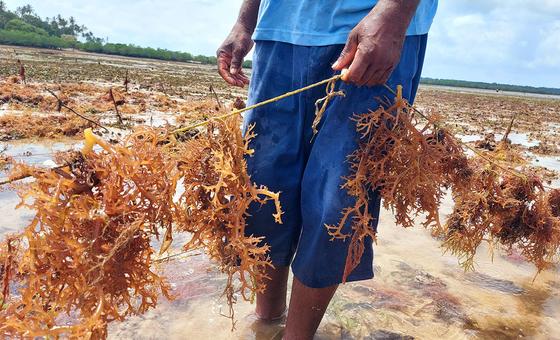
Qinilo.com – Marine ecosystems are under threat from plastic waste, yet eco-friendly replacements like seaweed-based materials struggle to gain momentum. This is due to a combination of trade barriers, inconsistent regulations, and the entrenched dominance of petroleum-derived plastics in global markets.
Global Plastic Waste Impact
Just 10% of plastics are recycled, leaving the majority to accumulate in landfills and waterways. These materials eventually reach the oceans, where they persist and endanger over 4,000 species. Annual estimates suggest around 52 million tonnes of plastic waste enter marine environments, creating long-term ecological damage.
“Plastics have benefited from decades of market maturation, scale, infrastructure and favourable trade conditions,” said the UN Trade and Development agency (UNCTAD).
Barriers to Sustainable Innovation
Despite a $485 billion global market for plastic substitutes, growth faces hurdles. Tariffs and regulatory disparities hinder progress, as alternatives like paper, bamboo, and seaweed encounter average duties twice those applied to conventional plastics—often exceeding 14%.
Trade policies vary widely, with plastic and rubber tariffs dropping from 34% to 7.2% over three decades. This has created an uneven playing field for sustainable options, which remain less competitive in cost and accessibility. Meanwhile, biodegradable substitutes often require industrial composting environments to break down effectively, limiting their practicality in open ocean settings.
Push for a Global Solution
For six years, international leaders have sought a unified plastics treaty to curb production and shift industry practices. The initiative aims to control the $1.1 trillion plastics sector by implementing systemic changes. The next round of negotiations is set for 13 to 24 March 2027, with hopes of achieving meaningful progress.
Concerns Over Land Use Competition
Some plant-based substitutes raise land use concerns, potentially diverting resources from food production. This could create unintended environmental consequences. “The belief that these biodegradable and plant-based plastics are the solution, it’s unfortunately giving the idea that we’ve solved the problem, everything is good, but that’s not the reality,” noted Ian Butler, chief editor of the World Ocean Assessment.
“The key barrier is an uneven national and trade policy field,” the UNCTAD stated.
Pathways to Change
Experts stress that scaling sustainable materials requires strategic investment and policy adjustments. While upfront costs may rise, long-term benefits—such as job creation and regional development—could offset these expenses. A potential catalyst for change is increasing the price of fossil-fuel plastics, which currently account for 98% of production. Energy price fluctuations have already driven a 70-80% surge in polyethylene resin costs in Europe between February and April 2026.
Ben Taylor of Notpla, a UK-based firm collaborating with UNCTAD, emphasized the need to overhaul a packaging system built on cheap, oil-based plastics. “The challenge is transforming a global packaging system that has been built around fossil-fuel-based plastics for decades,” he said.