
WHO and Brazil urge world leaders to finalise Pandemic Agreement to prevent future global health crises
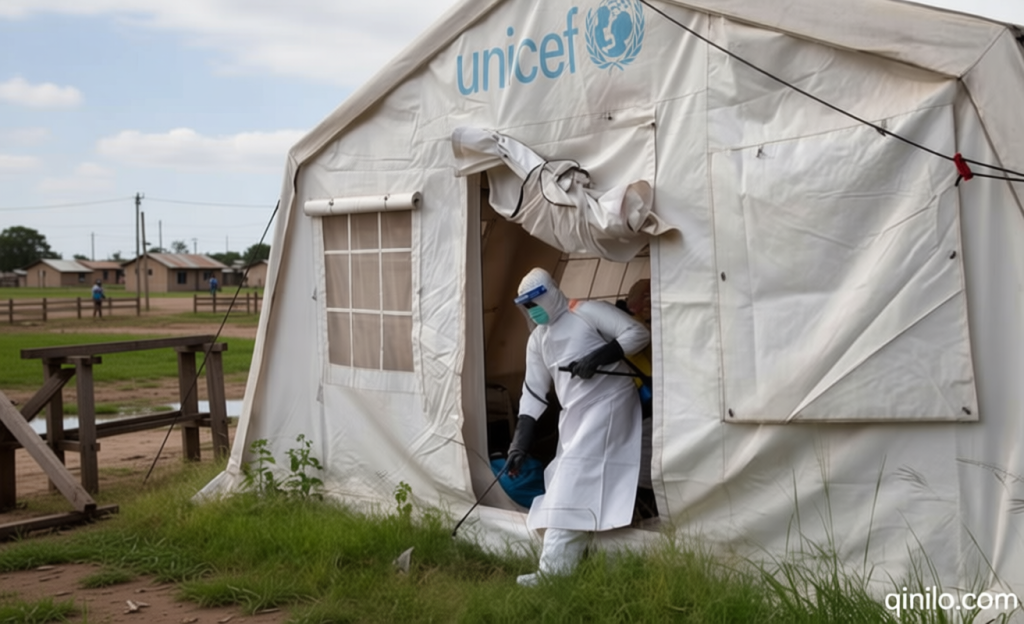
WHO and Brazil Urge World Leaders to Finalise Pandemic Agreement to Prevent Future Global Health Crises
Qinilo.com – WHO and Brazil urge world leaders to finalise the Pandemic Agreement, a landmark treaty aimed at strengthening global health resilience and averting future crises. The collaborative initiative, announced in a joint statement released on Monday, calls on nations to commit to a unified framework that ensures rapid response mechanisms are in place for emerging infectious diseases. This effort comes as the world grapples with the lingering effects of the COVID-19 pandemic and the urgent need to address vulnerabilities exposed by the global health emergency.
Global Partnership for Pandemic Preparedness
International leaders, including Brazilian President Luiz Inácio Lula da Silva and World Health Organization (WHO) Director-General Tedros Adhanom Ghebreyesus, have joined forces to push for the completion of the Pandemic Agreement. The letter underscores the importance of collective action, emphasizing that no single country can tackle pandemics alone. By finalising the agreement, nations can establish shared protocols for surveillance, information exchange, and resource allocation, which are critical to mitigating the spread of diseases like Ebola, influenza, or future variants of coronaviruses.
According to the authors of the letter, the agreement’s framework is designed to empower countries with the tools needed to act swiftly during outbreaks. This includes provisions for rapid sharing of genetic data, which allows scientists to develop diagnostics, therapies, and vaccines in record time. The current draft also outlines mechanisms to ensure equitable access to medical supplies and technology, addressing disparities that were exacerbated during the pandemic.
Lessons from the Pandemic and the Path Forward
The unprecedented challenges of the 2020 pandemic revealed critical gaps in global health systems, from vaccine distribution to cross-border cooperation. WHO and Brazil argue that the Pandemic Agreement is a direct response to these shortcomings, offering a blueprint for future preparedness. The letter highlights how the pandemic caused an estimated 20 million deaths worldwide and led to a $13 trillion economic loss, stressing that such devastation must be prevented through collective action.
While progress has been made, the agreement remains incomplete due to delays in negotiations. The PABS annex, a cornerstone of the pact, is yet to be fully ratified. This section outlines measures for pandemic preparedness, including the establishment of a global health emergency fund and the creation of a centralised database for tracking pathogens. Without its finalisation, nations risk being unprepared for the next crisis, whether it be a new virus or a resurgence of existing diseases.
Global Health Security as a Shared Priority
Recent outbreaks, such as the Ebola virus in several African countries, have reignited concerns about the world’s readiness for pandemics. The letter points out that without a completed agreement, countries may struggle to respond effectively to such threats. For example, the lack of an approved vaccine for certain Ebola strains has led to prolonged suffering and loss of life, illustrating the urgent need for a coordinated global strategy.
The authors also warn of the growing risks posed by environmental changes and biotechnology advancements. With emerging zoonotic diseases and the potential for accidental or intentional pathogen release, the probability of another pandemic within the next decade is estimated at 25%. The Pandemic Agreement aims to create a system where countries can act in unison, reducing the time between outbreak detection and global response. This would be vital in containing diseases before they escalate into worldwide crises.
Key Demands for Immediate Action
The appeal to world leaders outlines three critical demands: First, political resolve at the highest level to prioritise the agreement’s completion. Second, the allocation of resources to support its implementation, including funding for research and infrastructure. Third, the establishment of a clear deadline to ensure momentum. The letter stresses that the agreement preserves national sovereignty while fostering international collaboration, a balance that is essential for its success.
“In a fragmented world, this outcome was far from assured,” the statement notes. “It represented hope and mutual trust. Yet, the hope remains unfulfilled, and it is now up to leaders to complete this mission.”
The authors call for 17 July to be set as a definitive deadline, symbolising a unified global effort and preventing critical delays. This deadline is not merely symbolic; it serves as a catalyst for decisive action, ensuring that the agreement is signed before the next potential health emergency strikes.
Challenges and the Way Ahead
Despite the agreement’s potential, challenges remain in its finalisation. Political disagreements, economic priorities, and varying levels of commitment among nations have slowed progress. WHO and Brazil urge leaders to overcome these obstacles by aligning their interests with the greater good. The agreement’s ratification would not only enhance global health security but also bolster trust among nations, fostering a more resilient international community.
As the world moves toward a post-pandemic era, the completion of the Pandemic Agreement is seen as a vital step in safeguarding global health. By finalising this pact, leaders can create a system that ensures no country is left behind in the face of a crisis. The message is clear: WHO and Brazil urge world leaders to unite and finalise the agreement before the next pandemic strikes, ensuring that the lessons of the past are not forgotten and that the future is prepared for the challenges ahead.