While world waits for details on Iran-US accord, UN calls for Hormuz aid corridor
While World Waits for Iran-US Accord Details, UN Pushes for Hormuz Aid Corridor
Qinilo.com – As the global community holds its breath for clarity on the Iran-US agreement, the United Nations has intensified its advocacy for the creation of an emergency aid corridor through the Strait of Hormuz. This initiative aims to address the escalating food crisis, ensuring that vital supplies reach affected regions before the situation worsens. The UN’s call comes amid ongoing tensions, emphasizing the need for immediate action to stabilize the region and support humanitarian efforts.
Deputy UN Rights Chief Awa Dabo, speaking at the Human Rights Council in Geneva, highlighted how the strait’s closure and U.S. naval restrictions on Iranian ports have disrupted essential energy and trade routes. These disruptions have created a ripple effect, complicating aviation and humanitarian logistics while exacerbating fertilizer shortages. Dabo stressed that the situation demands urgent attention, particularly as the world waits for details on the potential breakthrough between Iran and the U.S.
“Unless the Strait of Hormuz is reopened, the most vulnerable economies face a severe risk of economic turmoil, which could intensify hunger and poverty for millions,” Dabo emphasized. “The world’s wait for details on the Iran-US accord must not delay critical aid to those in need.”
The UN’s focus on the Hormuz corridor has gained momentum as the conflict in the region continues to disrupt supply chains. With the potential agreement between Iran and the U.S. still pending, the international community remains divided on the best approach to alleviate the crisis. The World Food Programme and the Food and Agriculture Organization are now under pressure to secure additional resources, as the food security outlook grows increasingly dire.
Meanwhile, UAE delegate Jamal Al Musharakh has expressed cautious optimism about the ongoing negotiations. Since early March, his country has been a target of over 3,000 missile and drone strikes, which have strained its infrastructure and emergency response systems. Al Musharakh argued that resolving the conflict through diplomatic channels is essential, as the world waits for details on the Iran-US accord that could end the cycle of violence.
Iran’s Ambassador Ali Bahreini has defended his nation’s actions, asserting that the right to self-defense is central to the current conflict. He criticized the international human rights system for its perceived bias, noting that Iranians face relentless attacks while the U.S. persists in its military operations. Bahreini’s remarks underscore the complexity of the situation, as the world waits for details on the accord’s terms and its potential to bring lasting peace.
Strategic Importance of Hormuz
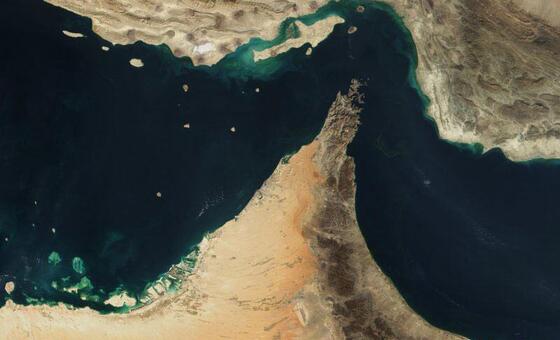
The Strait of Hormuz, a narrow waterway in the Persian Gulf, serves as a critical artery for global energy trade. Approximately 20% of the world’s oil and liquefied natural gas transit through this strategic chokepoint, making its closure a significant threat to international markets. The UN’s push for an aid corridor is not only about humanitarian relief but also about restoring economic stability and ensuring uninterrupted fuel supplies to countries reliant on the region’s resources.
UN officials have pointed to the potential for the Hormuz corridor to become a lifeline for nations facing supply chain disruptions. With the world waiting for details on the Iran-US deal, the corridor represents a pragmatic solution to mitigate the crisis. The International Maritime Organization has also voiced support for the initiative, stating that securing navigation rights through Hormuz could stabilize the region’s maritime infrastructure and safeguard commercial vessels from further threats.
Conflict’s Regional Fallout
The crisis erupted on 28 February when U.S. and Israeli strikes on Iran triggered a wave of retaliatory attacks by the Iranian military. These attacks targeted allied nations in the Gulf, including Saudi Arabia and the UAE, which have suffered significant damage to their oil facilities and infrastructure. Lebanon was drawn into the conflict as Hezbollah fighters began launching strikes on Israeli territory, expanding the regional impact of the standoff.
UN High Commissioner Volker Türk has called for transparency in the conflict’s aftermath, particularly regarding the U.S. investigation into the Minab school attack that killed over 156 people. He stressed the importance of accountability to prevent further humanitarian disasters. As the world waits for details on the Iran-US accord, Türk remains hopeful that the agreement will pave the way for a ceasefire and long-term stability, but he warned that without swift action, the crisis could deepen.
The ongoing negotiations between Iran and the U.S. are seen as a turning point for the region, with the potential to resolve tensions that have plagued global trade and security for months. However, the success of the Hormuz aid corridor will depend on the willingness of all parties to cooperate and prioritize humanitarian needs over political gains. As the world waits for details on the agreement, the UN continues to urge immediate measures to avert a humanitarian catastrophe and restore economic normalcy.