
Ebola treatment capacity expands in DR Congo as WHO issues new guidelines
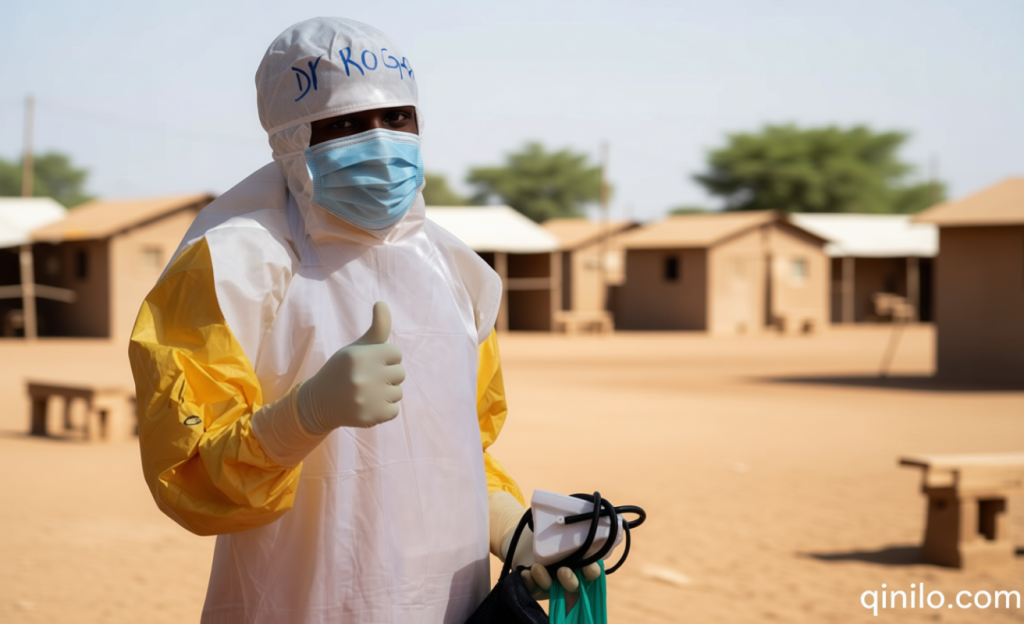
WHO Enhances Ebola Care in DRC Amid Persistent Community Concerns
Qinilo.com – As the global health community intensifies its focus on combating the ongoing Ebola outbreak, the World Health Organization (WHO) has made significant strides in expanding treatment capacity across the Democratic Republic of the Congo (DRC). The organization’s latest initiatives aim to bolster the nation’s ability to manage the Bundibugyo strain of the virus, which has been affecting communities in eastern DR Congo. This expansion of treatment infrastructure comes at a crucial time, as public health officials work tirelessly to contain the spread of the disease while addressing growing concerns among local populations. The focus keyword “Ebola treatment capacity expands in DR Congo” underscores the urgency of these efforts, with the goal of ensuring equitable access to life-saving care.
Strategic Infrastructure Investments and Community Engagement
One of the primary strategies behind the expansion of Ebola treatment capacity in DR Congo involves the modernization of existing healthcare facilities. The WHO has collaborated with local authorities to establish additional isolation units, each equipped with advanced infection control measures to minimize cross-contamination. These upgrades are particularly vital in regions like Ituri province, where the outbreak has taken a heavy toll. By improving the physical environment of treatment centers, the organization hopes to create a safer and more efficient space for both patients and healthcare workers. The focus keyword “Ebola treatment capacity expands in DR Congo” highlights how these efforts are part of a broader plan to fortify the country’s health response.
A key component of this initiative is the introduction of a 10,000-liter water supply system to support hygiene protocols and patient care. This system ensures that treatment centers can maintain rigorous cleaning standards, which are essential in preventing the spread of Ebola. In addition to infrastructure improvements, the WHO has emphasized the importance of training local staff to manage the complexities of the outbreak. By building capacity at the community level, the organization aims to reduce reliance on external support and create a more sustainable response. The focus keyword “Ebola treatment capacity expands in DR Congo” reflects the multi-faceted approach being taken to address both immediate and long-term challenges.
“These communities feel—perhaps rightly—that the outside world prioritizes self-protection from Ebola over genuine concern for their well-being,” Tedros Adhanom Ghebreyesus remarked during a recent visit to the outbreak’s epicenter in Ituri province. His comments highlight the persistent mistrust that continues to challenge the effectiveness of Ebola treatment capacity in DR Congo. Local leaders and health workers have reported that fear of infection often leads to resistance against quarantine measures and delays in seeking care. Addressing this trust gap is critical to the success of the expanded treatment capacity, as community cooperation remains a cornerstone of outbreak control.
The WHO chief also criticized broad travel bans, arguing that they have inadvertently fueled misinformation and hindered essential coordination between neighboring countries. “An unnecessary overreaction that does more harm than good,” he said, stressing the need for targeted measures that balance public health safety with economic and social stability. While the current outbreak is being managed without approved vaccines or targeted therapeutics, the organization has confirmed that clinical trials for potential treatments will soon begin. This development is expected to further enhance the capacity to treat patients and reduce mortality rates in affected regions. The focus keyword “Ebola treatment capacity expands in DR Congo” aligns with these efforts, as the country prepares to integrate new therapeutic options into its response strategy.
Comprehensive Guidelines for Filovirus Management
In a parallel development, the WHO has released its first detailed clinical guidelines for filovirus diseases, including Ebola and Marburg. These 16 evidence-based recommendations provide a framework for early supportive care, which the agency claims can substantially increase survival rates during outbreaks. The guidelines emphasize the importance of rapid hydration and shock management, continuous lab monitoring, and timely treatment for bacterial infections—practices that are now being implemented across treatment centers in DR Congo. This expansion of Ebola treatment capacity in DR Congo is supported by these guidelines, which aim to standardize care and improve outcomes for patients.
Key strategies outlined in the guidelines include structured follow-ups for survivors, ensuring long-term recovery and reducing the risk of re-infection. The WHO has also highlighted the need for improved communication between healthcare providers and patients, as clear information can alleviate fears and encourage early intervention. With the expansion of Ebola treatment capacity in DR Congo, these guidelines serve as a critical tool for healthcare professionals working on the frontlines. By combining infrastructure upgrades with standardized clinical protocols, the organization is working to create a robust and resilient response to the virus.
Despite these advancements, challenges remain. The WHO has warned that the expansion of Ebola treatment capacity in DR Congo must be accompanied by broader efforts to address the underlying factors contributing to the outbreak. These include not only the immediate health risks such as malaria and malnutrition but also the impact of conflicts and insecurity on healthcare access. Tedros Adhanom Ghebreyesus reiterated that success in ending the outbreak hinges on a holistic approach, one that integrates community engagement, cross-border collaboration, and improved access to essential health services. The focus keyword “Ebola treatment capacity expands in DR Congo” is part of this larger narrative, demonstrating how the country is positioning itself to manage the crisis effectively.