
Lebanon: 12 children killed, maimed daily despite truce between Hezbollah and Israel
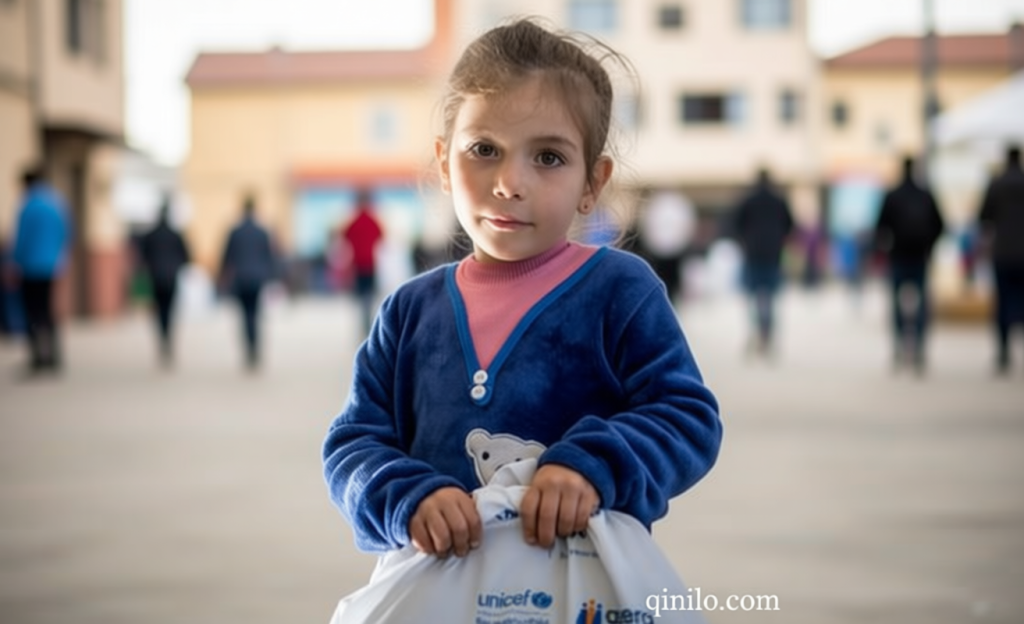
Lebanon: 12 Children Killed or Injured Daily Despite Hezbollah-Israel Ceasefire
Qinilo.com – Lebanon continues to grapple with a devastating humanitarian crisis as the conflict between Hezbollah and Israel enters its 100th day. Despite a ceasefire agreement brokered through a US-Iran Memorandum of Understanding, the toll on children has remained alarmingly high, with reports indicating that up to 12 minors are killed or injured each day. The United Nations Children’s Fund (UNICEF) has warned that the situation in Lebanon is far from stable, as attacks persist and the civilian population faces ongoing displacement and trauma.
Escalating Humanitarian Toll
According to UNICEF’s latest flash update, the conflict has resulted in 3,798 confirmed deaths and 11,781 injuries since March 2, 2026. Over 131,200 Lebanese citizens have been internally displaced, seeking refuge in collective centers across the country. Aid agencies have delivered essential services to more than 1.1 million people and distributed 13.6 million meals, but these efforts are being stretched thin. The 2026 Lebanon Flash Appeal has only reached 32.7% of its $639.9 million target, leaving critical gaps in funding for medical care, shelter, and education.
While the ceasefire has reduced large-scale fighting, sporadic attacks and artillery fire continue to target residential areas and infrastructure. In southern Lebanon, UNIFIL peacekeepers have observed intensified military operations, with armored vehicles and logistical movements persisting at high levels. The agency reports that 312 trajectories were recorded between midnight and 4 p.m. local time on June 15, with the majority attributed to Israeli forces. These strikes have not only caused casualties but also disrupted daily life for countless families in Lebanon.
Children at the Center of the Crisis
“For over three months, children in Lebanon have lived through experiences no child should ever endure,” said UNICEF’s country representative, Marcoluigi Corsi, following the June 15 announcement of the US-Iran agreement. “The emotional and physical scars will last a lifetime.”
Children are bearing the brunt of the violence, with the agency confirming 247 fatalities and 992 injuries among minors since the conflict began. A 14-year-old girl, who was hospitalized after a strike killed her father and three brothers, recently expressed her despair to UNICEF officials. “Where is humanity? Where is a sense of justice?” she asked, highlighting the deep emotional impact on Lebanon’s youth. This tragedy underscores the urgent need for greater protection measures, even as the ceasefire is in effect.
Although the ceasefire has temporarily halted major offensives, the frequency of attacks on schools, hospitals, and homes remains unacceptably high. In Lebanon, more than 1,200 educational institutions have been damaged or destroyed, leaving thousands of children without access to learning. Meanwhile, medical facilities are overwhelmed, with limited resources to treat the injured. UNICEF has called for immediate action to ensure the safety of children in Lebanon, emphasizing that their well-being should be a top priority in any peace agreement.
Peacekeeping Challenges and Regional Tensions
UNIFIL, the United Nations Interim Force in Lebanon, has documented increased military activity near the border, including frequent incursions into Lebanese airspace. Over the past week, the agency recorded 26 such violations, with one leading to a direct air attack on a populated area. These actions have raised concerns about the effectiveness of the ceasefire in protecting civilian life. Additionally, two Israeli naval vessels breached Lebanon’s maritime zone near Naqoura, prompting the force commander to stress that stability on land hinges on securing the sea.
The situation in Lebanon remains precarious, with regional tensions threatening to resurface. The US-Iran agreement has helped ease immediate hostilities, but ongoing political instability and the presence of both Hezbollah and Israeli forces in the region continue to fuel uncertainty. Local officials and humanitarian workers in Lebanon have expressed fears that the ceasefire may not last, as neither side has fully committed to reducing their military operations. This volatility makes it difficult to provide sustained aid and protection for the most vulnerable, including children.
International Response and Future Outlook
While the international community has pledged support for Lebanon’s humanitarian needs, the pace of aid delivery has been slow. Donors have contributed $209.6 million to the 2026 Lebanon Flash Appeal, but much more is required to meet the $639.9 million goal. The United Nations has urged countries to increase their contributions, citing the urgent need to address the crisis in Lebanon. However, geopolitical considerations and domestic priorities have limited the flow of resources.
Looking ahead, the challenge for Lebanon is to maintain stability while rebuilding its infrastructure and restoring normalcy. The country’s leadership has emphasized the importance of the ceasefire in preventing further devastation, but the daily toll on children and families underscores the need for stronger protections. As the conflict enters its second month, the international community must prioritize Lebanon’s recovery, ensuring that the safety of its children is not compromised in the pursuit of political solutions.