
A safe return home: Tackling stigma on Uganda’s Ebola frontline
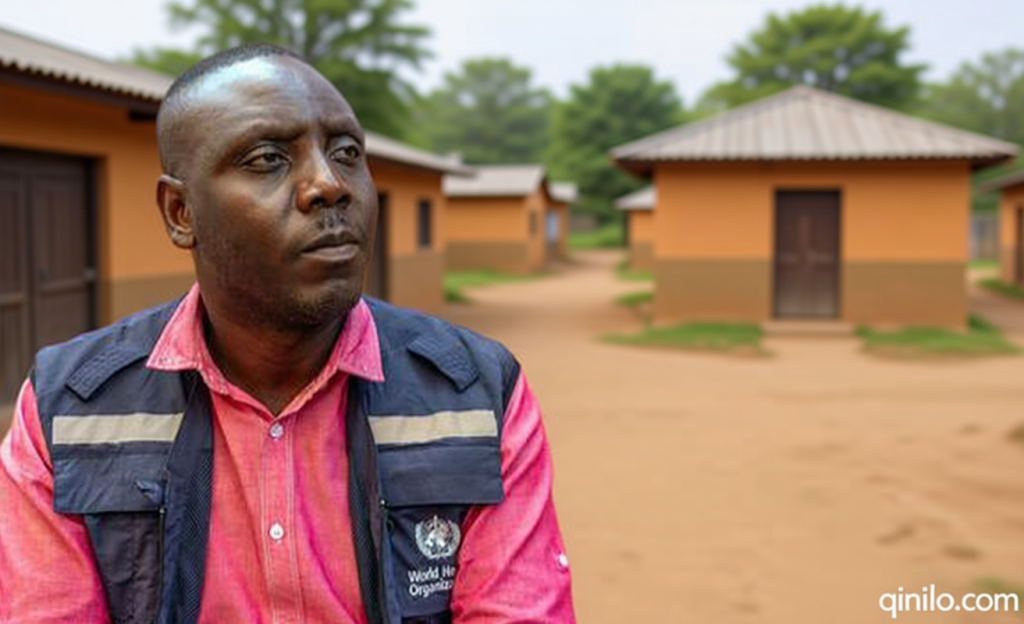
A safe return home: Tackling stigma on Uganda’s Ebola frontline
Qinilo.com – As the Ebola outbreak spreads across Uganda and neighboring Democratic Republic of the Congo (DRC), medical personnel are navigating more than just viral containment. Their efforts extend to alleviating the emotional burdens and social challenges faced by families and communities.
Ebola Outbreak and Community Impact
Recent data reveal over 1,400 confirmed cases of the Bundibugyo virus, with 350 fatalities reported in both nations. Nearly 90% of these infections are clustered in Ituri province, DRC—a region that serves as a vital trade link with Uganda, which has endured prolonged conflict.
Dr. Opesen’s Role in Reintegration
A Sunday dawn in Kampala brought a urgent request to Dr. Chris Opesen, a WHO anthropologist, as local officials sought his aid in ensuring a woman’s safe return to her community. Three days prior, Lilian* had exhibited symptoms aligning with Ebola and was transported to Mulago Hospital’s isolation unit for testing.
The relocation, though planned, triggered emotional strain for Lilian, her family, and neighbors. All were holding their breath for the conclusive test results that would decide her readiness to rejoin her home.
Community Meeting and Structured Dialogue
Over the past 36 hours, Dr. Opesen maintained communication with Lilian’s family, offering support as communal unease intensified. “The anthropologist is the midfielder of the outbreak response,” he remarked, using a football metaphor. “We bridge teams and communities, relaying fears and concerns from one side to the other.”
Collaborating with colleagues from the Kampala Capital City Authority, he organized a gathering with Lilian’s loved ones. The initial tension eased as the group adopted a formal approach, appointing a neighbor and her sister, Angela*, to lead discussions.
“We appreciate your presence, because without it, fear would still linger,” Angela* later said.
Addressing Stigma in Local Business
Dr. Opesen and Henry Bwire, a surveillance officer, visited a nearby shop where the owner had reportedly shamed Lilian’s mother. “Ebola is feared by all,” Bwire explained. “Miscommunication and dread can fuel stigma, which we aimed to resolve.”
The shopkeeper expressed gratitude after the conversation, vowing to treat Lilian with dignity upon her return. Meanwhile, the team opted to stay at a neutral location, positioning themselves between the hospital and Lilian’s neighborhood.
The Final Confirmation and Celebration
At 6:30 p.m., the lab confirmed Lilian was free of the virus, having been treated for a bacterial infection. As she arrived with a member of Uganda’s national Emergency Medical Team, the family and neighbors welcomed her with cautious hope. Dr. Opesen brought a cake and water, symbolizing the momentous occasion.
“Thank you for listening and addressing our worries. I hope this becomes a lesson for the community,” Lilian shared.
Lilian distributed the cake, a gesture meant to signify her acceptance. “Reintegration is a celebration, especially when expectations didn’t match reality,” Opesen noted. “I wanted to create a memorable act for her, showing her belonging through shared joy.”
A Day of Service and Reflection
By 9 p.m., Dr. Opesen was finally heading home, having spent over 15 hours on the task. Despite the toll, he described the day as fulfilling. “My work connects response efforts with people’s lived experiences,” he reflected. “When I do it well, it feels like progress.”