
Ebola epidemic spreading rapidly and outpacing containment efforts
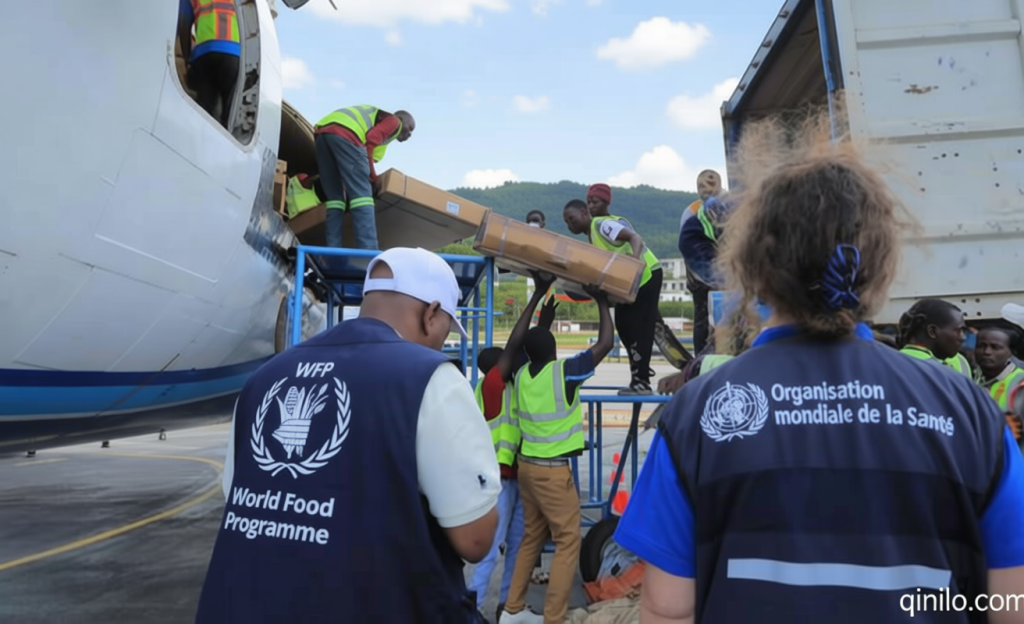
Ebola Epidemic Spreading Rapidly and Outpacing Containment Efforts
Qinilo.com – On Monday, the World Health Organization’s (WHO) chief, Tedros Ghebreyesus, reported over 900 potential cases of the Bundibugyo variant of Ebola in the Democratic Republic of the Congo (DRC), with 220 deaths attributed to the virus. The declaration of a public health emergency of international concern has intensified global attention on the ongoing crisis, which is progressing at an alarming pace. Despite heightened efforts, the situation remains volatile, with the outbreak exceeding containment capacity in several regions.
Escalating Threat in the DRC
The DRC, identified as the epicenter of this latest outbreak, has seen its national risk assessment raised from high to very high. This classification underscores the severity of the spread, as the disease continues to infiltrate communities faster than anticipated. Neighboring countries such as Uganda face heightened risks, with confirmed cases and fatalities reported there. In Uganda, five infections have been identified, and one death has been officially documented, indicating the virus’s cross-border reach.
Health workers are struggling to keep up with the rapid progression of the epidemic, which has complicated containment strategies. The region’s instability exacerbates the challenge, as displaced populations and ongoing conflict create conditions conducive to transmission. Recent attacks on medical facilities have further disrupted response operations, raising concerns about the safety of healthcare personnel.
Community Distrust Fuels Outbreak
Displacement and conflict in the eastern part of the DRC have contributed to a deepening sense of mistrust among local communities toward external authorities. This skepticism has led to incidents of violence, including the arson of two treatment centers in the area. The attacks, which have displaced over 100,000 individuals, not only threaten infrastructure but also hinder public health initiatives.
Marie Roseline Belizaire, WHO Africa’s Emergency Response Director, highlighted the role of social media in amplifying misinformation. “These campaigns are creating fear and confusion,” she stated in a recent interview with UN News. “They are slowing down the investigation of cases and limiting the ability of health teams to access communities effectively.” The spread of false information has led to resistance against essential measures, such as quarantine protocols and burial practices.
One such measure involves strict burial procedures for suspected Ebola victims. These rules have sparked frustration among families, as they are barred from direct contact with the deceased. Funeral gatherings, which often attract large crowds, are now restricted to prevent the virus’s spread. To ease this tension, authorities have deployed armed soldiers and police to monitor burials conducted by health workers.
WHO’s Strategic Response
In response to the growing crisis, the WHO has intensified its operations, focusing on critical areas like contact tracing and laboratory testing. The organization is also expanding treatment centers and reinforcing infection prevention protocols. Dr. Belizaire emphasized the importance of community engagement, noting that collaboration with local leaders and healers is vital to address concerns and build trust.
Traditional leaders and healers are playing a pivotal role in bridging the gap between health workers and the public. By involving these figures, WHO aims to enhance communication and ensure that cultural practices are adapted to align with safety guidelines. “We provide families with protective gear,” Dr. Belizaire explained, “enabling them to participate in the mourning process while minimizing exposure.” This approach allows for a balance between respecting local customs and safeguarding communities from the virus.
Although the Bundibugyo strain has been a recurring threat for nearly two decades, no approved vaccines or therapeutics are currently available. This lack of medical tools has forced health agencies to rely on experimental treatments, such as antibodies in clinical trials and the antiviral obeldesivir, which is being evaluated for high-risk contacts. The WHO has urged priority for these interventions, hoping to develop effective solutions in the coming months.
Despite the challenges, WHO continues to escalate its on-the-ground efforts. Funding from the Contingency Fund for Emergencies has been allocated to support these measures, with over $3.9 million released to bolster response activities. This financial commitment is intended to cover critical aspects, including strengthening diagnostic capacity, training personnel, and improving logistics in affected regions.
Global Implications and Ongoing Concerns
As the epidemic expands, global health officials are monitoring the situation closely, with a particular focus on the DRC’s capacity to manage the outbreak. The rapid spread of the virus has raised alarms about its potential to affect neighboring countries and even trigger international outbreaks. Dr. Belizaire noted that the combination of community resistance and logistical hurdles poses a significant threat to containment efforts.
While the WHO has taken steps to address these challenges, the situation remains precarious. The organization is working to coordinate with regional partners and international bodies to ensure a unified response. However, the speed at which the disease is spreading necessitates immediate and sustained action to prevent further escalation.
Local leaders have expressed hope that their involvement in the response will help mitigate resistance. “We are engaging with families to explain the necessity of these protocols,” said Dr. Belizaire. “Our goal is to create a sense of shared responsibility and ensure that everyone understands the importance of these measures.” This outreach is crucial in maintaining morale and cooperation among affected populations.
With the outbreak showing no signs of slowing, the WHO’s strategies must adapt to the evolving circumstances. The combination of traditional practices, misinformation, and community dynamics requires a multifaceted approach to control the spread. As the situation develops, continuous monitoring and rapid intervention will be essential to contain the virus and protect public health.