
Global drug use reaches record high as increasingly potent synthetic drugs spread
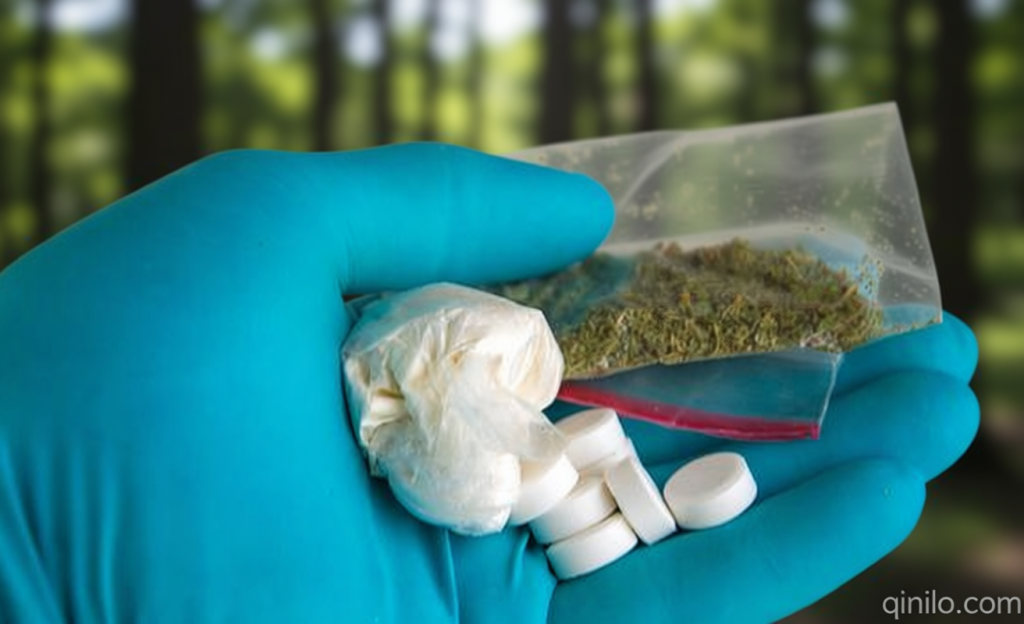
Global Drug Use Hits Record High Amid Surge in Potent Synthetic Substances
Qinilo.com – The United Nations World Drug Report 2026 reveals that drug consumption has reached a historic level, with 331 million individuals using substances worldwide in 2024—equivalent to 6.2 per cent of the global population aged 15 to 64. This marks a significant rise from 5.2 per cent a decade earlier, signaling a growing challenge for public health systems.
Shift in Drug Markets and Health Risks
Synthetic drugs are rapidly altering the landscape of illicit markets, introducing more powerful and hazardous compounds. Monica Juma, Executive Director of the UN Office on Drugs and Crime (UNODC), highlighted this trend, stating,
“We have seen an unprecedented spike in new types of drugs on the market, and worryingly, some are more potent or dangerous than before.”
Cannabis remains the most widely consumed substance, with 256 million users globally. Opioids follow, accounting for 63 million users, while amphetamines, cocaine, and ecstasy have 32 million, 25 million, and 21 million users respectively.
Rapid Evolution of Synthetic Substances
The report emphasizes the accelerating development of synthetic narcotics, noting that 755 new psychoactive substances were identified in 2024. Among these, 118 were previously unreported, and the variety of drugs detected in seizures has expanded fivefold since the year 2000.
Chloé Carpentier, the report’s lead researcher, warned,
“The market is becoming very diverse, but also perhaps more dangerous.”
She added,
“We don’t always know what we are taking, and first responders don’t know what they are responding to.”
Opioid Market Transformation
The global opioid market is undergoing a critical shift. Following Afghanistan’s 2022 opium cultivation ban, heroin production plummeted sharply. Although Myanmar’s output rose from 420 tonnes in 2021 to over 1,000 tonnes in 2025, it has not fully offset Afghanistan’s previous dominance, which saw more than 6,000 tonnes produced in 2022.
Drug traffickers are increasingly turning to synthetic alternatives like fentanyls, nitazenes, and orphines. Carpentier noted,
“We see a lot of nitazenes now. The worry is really that synthetic opioids might replace heroin and lead to much more harm.”
Expanding Drug Networks
Methamphetamine has become a truly global commodity, with trafficking routes expanding into the Near and Middle East, Africa, and parts of Europe. Seizure volumes have grown by an average of 13 per cent annually, as suppliers diversify beyond traditional hubs like Myanmar to include North America, West and Southern Africa, and Southwest Asia.
Cannabis trafficking has also intensified on an international scale. Between 2015 and 2024, 57 countries outside North America identified the region as a source of seized cannabis, compared to just 11 in the prior decade.
Societal and Health Impacts
The report underscores that drug-related harms are influenced by broader societal factors, including poverty, homelessness, mental health struggles, and limited healthcare access. Women face particular challenges, with treatment rates remaining lower than those for men despite higher rates of dependence progression.
Only one in 23 women with drug use disorders receives treatment, compared to one in nine men. Women who inject drugs are 20 per cent more likely to live with HIV than their male counterparts.
Carpentier also pointed out the vulnerability of adolescents, stating,
“Adolescence is really a critical period when the brain is still developing. Drug use during adolescence will have long-lasting effects on cognition and behaviour.”
Conflict and Drug Markets
Displacement caused by conflict and crises has heightened exposure to drug use disorders. Refugees and internally displaced populations often struggle to access treatment, as relief efforts prioritize immediate needs like food and shelter over long-term healthcare solutions.
Conflict and illicit drug trade reinforce each other, creating a cycle where instability fuels drug production, and trafficking revenues sustain further violence. As markets grow more intricate, Carpentier stressed the importance of international collaboration, asserting,
“We cannot achieve anything without international cooperation.”