
Global fish production hits new high, but climate threats loom
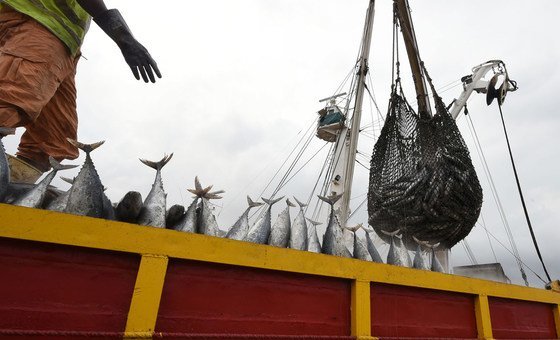
Global fish production hits new high, but climate threats loom
Record Production and Shift in Supply
Qinilo.com – A new FAO report highlights that aquaculture now meets the majority of global fish demand, yet rising temperatures and overfishing pose significant challenges to the industry’s future.
Global fisheries and aquaculture production reached 188.2 million tonnes in 2024, solidifying seafood’s role as a vital source of nutrition and income for billions. This milestone is detailed in The State of World Fisheries and Aquaculture 2026, a comprehensive analysis by the Food and Agriculture Organization.
The report underscores a historic transformation: aquaculture now supplies over half of the fish consumed by humans, marking a critical shift with far-reaching consequences for food security and environmental balance.
Essential Nutrients and Economic Impact
Seafood provides critical nutrients, including proteins, omega-3 fatty acids, and micronutrients, which are hard to replicate through other food sources. These benefits are especially pronounced for populations in low-income regions.
Per capita fish consumption has hit 20.7 kilograms annually—a record high. In coastal and island communities, seafood contributes more than half of all animal protein intake.
Employment in the sector is also a key factor: approximately 63.8 million individuals work directly in fisheries and aquaculture globally. Women represent a substantial portion of this workforce, particularly in processing and distribution roles. Including indirect jobs, the industry sustains around 600 million livelihoods worldwide.
Regional Growth and Sustainable Concerns
Aquaculture output totaled 103.3 million tonnes in 2024, continuing its rapid expansion over recent decades. This surpasses capture fisheries in volume, a development the report labels a “turning point” for global food systems.
Asia remains the dominant producer, but growth is accelerating in Africa and Latin America. The FAO emphasizes that small-scale aquaculture holds promise for boosting nutrition and economic stability in underserved areas.
However, this growth comes with risks. Intensive farming practices can degrade ecosystems, spread pathogens, and create pollution when not managed responsibly. The report urges governments to enhance regulatory frameworks and prioritize eco-friendly methods to avoid environmental harm.
Climate Challenges and Call to Action
Climate change is already impacting fisheries through warming seas, acidification, and shifting species habitats. These changes threaten the livelihoods of communities reliant on traditional fishing.
“Transformative change is needed,” the assessment concludes. It urges governments to phase out harmful subsidies, tackle illegal fishing, and fund science-driven management strategies.