
Haiti: Harrowing needs must be met with long-term engagement
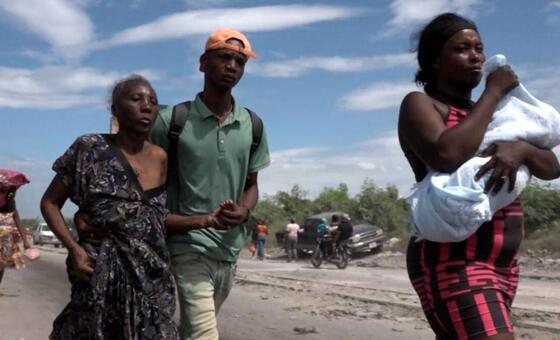
Haiti’s Displacement Crisis Reaches Critical Point
Qinilo.com – Haiti – Gang violence in Haiti has intensified, driving unprecedented levels of displacement and deepening a dire humanitarian situation. Nearly 1.5 million people are now without secure housing, as reported by the UN migration agency, IOM, in its latest update released Friday.
Gang Violence Spreading Beyond Safe Havens
The crisis is no longer confined to traditional high-risk zones. Communities in urban and rural areas alike are facing repeated evacuations due to assaults, often multiple times, with fewer safe alternatives available.
“The displacement crisis in Haiti is spiraling into a more dire situation,” remarked Gregoire Goodstein, IOM’s Chief of Mission in Haiti.
A Mother’s Perilous Journey
Mr. Goodstein highlighted the plight of a woman who fled Port-au-Prince after her neighborhood was overrun by gangs. “To find safety, her family waded through the sea up to their necks, then crawled through muddy fields littered with waste to stay hidden from attackers,” he recounted.
Sheltering in Overcrowded Zones
Most displaced individuals have taken refuge in makeshift camps or with host families already burdened by their own hardships. This trend has erased the boundaries between conflict zones and safe areas, creating new vulnerabilities.
Just weeks prior to the Cité Soleil violence, attacks in Haiti’s South-East Department forced over 5,000 people from their homes. The region had once been seen as a refuge for those escaping instability elsewhere.
Forced Returns Exacerbate Strain
Humanitarian groups note a concerning pattern: areas once offering sanctuary are now themselves facing displacement. Concurrently, forced returns have surged, with over 110,000 Haitians repatriated since early 2026. Many arrive with minimal resources, settling in regions already grappling with unrest or overburdened by new arrivals.
Special attention is needed for returnees like unaccompanied minors, expectant mothers, and new mothers, who often encounter perilous conditions upon arrival.
Escalating Needs and Protection Risks
Displaced families report acute shortages of shelter, food, clean water, and medical care. Overcrowded living conditions and declining access to essential services also heighten risks of abuse and exploitation.
Psychosocial support remains scarce despite widespread trauma from repeated displacement and exposure to violence. As the Atlantic hurricane season approaches, experts warn that worsening weather could compound existing challenges, threatening those in unstable shelters.
Continuing Efforts Amid Uncertainty
Despite the ongoing instability, IOM and its allies are delivering emergency aid to some of the most affected regions. Current initiatives include shelter, healthcare, sanitation, and relief supplies. However, agencies stress that long-term solutions are vital, emphasizing the need for safer environments, access to services, legal identification, and employment opportunities.