
LIVE: Haiti endures violence and hunger, but hopes grow for a more secure future
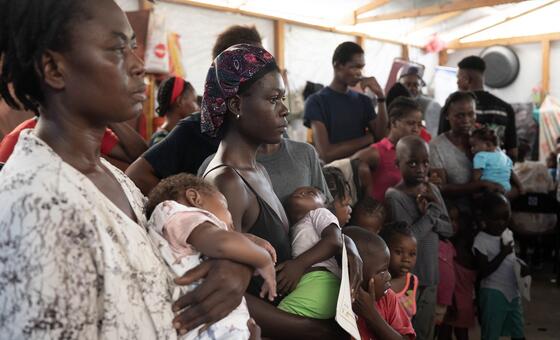
LIVE: Haiti’s Struggles with Violence and Hunger Spark New Hope
Qinilo.com – LIVE: Haiti endures violence and hunger, but hopes grow for a more secure future. The nation, already battered by years of political instability and natural disasters, now faces a dual crisis of escalating gang violence and widespread food insecurity. Recent reports indicate that nearly 1.5 million Haitians have been displaced due to ongoing security threats, with many forced into overcrowded urban centers or rural areas lacking basic resources. Despite these challenges, the upcoming democratic elections have ignited a sense of anticipation, offering a potential pathway to long-term stability. As the global community watches, the interplay between immediate survival and future governance becomes a central theme in Haiti’s unfolding story.
The Humanitarian Fallout of Violence and Displacement
Violence in Haiti has reached unprecedented levels, with gangs controlling large swathes of the country and targeting civilians indiscriminately. The crisis has been exacerbated by the collapse of public services, as hospitals, schools, and water supply systems struggle to function under the weight of conflict. Meanwhile, hunger has become a pervasive issue, driven by a combination of economic stagnation, climate-related crop failures, and the disruption of supply chains. According to the latest assessments by UN agencies, over 40% of the population faces acute food shortages, with children and the elderly disproportionately affected. The situation has created a stark contrast between the urgency of survival and the slow progress of rebuilding infrastructure and social trust.
The United Nations Security Council’s Role in Haiti’s Recovery
The United Nations Security Council convened recently to deliberate on Haiti’s next steps, emphasizing the need for a coordinated international response to the crisis. Discussions centered on how to address the security vacuum and support the country’s electoral process, which is seen as critical to restoring democratic institutions. While some members of the Council called for military intervention, others urged a focus on economic aid and political dialogue. The debate highlights the complexity of Haiti’s situation, where short-term interventions must align with long-term goals of self-sufficiency and governance. A resolution passed during the meeting outlined plans for increased humanitarian assistance and the deployment of peacekeeping forces to protect election logistics.
Democracy as a Beacon of Hope
The prospect of free and fair elections has become a symbol of Haiti’s resilience and desire for change. Despite the chaos, citizens have shown determination to participate in the political process, with over 50% of registered voters expected to turn out in the upcoming polls. International observers have pledged to monitor the elections closely, aiming to ensure transparency and reduce the influence of external actors. For many Haitians, the elections represent more than a political milestone—they signify a chance to reclaim their sovereignty and chart a course toward peace. The success of this endeavor will depend on the security of polling stations, the integrity of the voter registration system, and the willingness of all factions to compromise.
Global Solidarity and Local Challenges
International support for Haiti has grown in recent months, with donor nations and organizations pledging millions in aid to alleviate the humanitarian crisis. The focus keyword “LIVE: Haiti endures violence and hunger” has been echoed in press statements from the World Food Programme and the International Monetary Fund, both of which emphasize the need for sustained investment in agriculture and infrastructure. Yet, challenges remain, as aid distribution is often hindered by logistical difficulties and political infighting. Local leaders have called for greater transparency in the allocation of resources, arguing that without trust in the system, relief efforts will fall short of their intended impact. The interplay between global aid and local governance will shape Haiti’s ability to recover from its current plight.
Community Efforts and the Road to Recovery
Amid the crisis, grassroots movements and community-led initiatives have emerged as vital lifelines for Haitians. In the absence of stable government, local leaders, religious groups, and NGOs have taken the lead in distributing food, organizing security patrols, and providing medical care. These efforts, though limited in scope, demonstrate the adaptability and tenacity of the Haitian people. As the country edges closer to its elections, there is a growing sense that collective action and political participation could catalyze a more secure future. The road to recovery is long, but with the focus keyword “LIVE: Haiti endures violence and hunger” now intertwined with renewed optimism, the nation’s story continues to unfold with both struggle and possibility.