
More strikes impact Lebanon hospitals as humanitarian situation deteriorates
More Strikes Impact Lebanon Hospitals as Humanitarian Crisis Intensifies
Qinilo.com – As the conflict between Israeli forces and Hezbollah militants continues, the focus keyword “more strikes impact Lebanon hospitals” has become a critical concern for international observers and local communities. Recent aerial attacks have increasingly targeted healthcare facilities, straining Lebanon’s already fragile medical infrastructure and deepening the humanitarian crisis. The repeated bombings have left hospitals unable to function optimally, forcing medical staff to operate in damaged premises while patients face longer wait times and limited access to life-saving treatments.
According to reports from local authorities, the fifth major strike on the Hiram Hospital in Tyre has displaced dozens of patients and left the facility in urgent need of repairs. The attack, which injured ten medical personnel, has drawn condemnation from aid organizations, who warn that such incidents are disrupting the country’s ability to provide essential care. UN officials have highlighted the growing vulnerability of healthcare workers, emphasizing that strikes on hospitals not only claim lives but also cripple Lebanon’s capacity to respond to the escalating violence.
“We remain deeply concerned by the continued impact of hostilities on healthcare and people’s access to essential services,” said UN Spokesperson Stéphane Dujarric on Friday. He reiterated that the attacks on medical facilities have significantly worsened the crisis, with the World Health Organization (WHO) estimating that 135 healthcare workers and first responders have been killed, and nearly 400 others injured since the conflict began. These figures underscore the severity of the situation as hospitals across Lebanon, including 17 key facilities, face structural damage and operational disruptions.
Escalating Aerial Threats and UNIFIL’s Response
On Thursday, the UN peacekeeping mission in southern Lebanon, UNIFIL, documented “intensive air activities” involving fighter jets and unmanned aerial systems, with 72 breaches of Lebanese airspace and eight Israeli airstrikes reported in their operational zone. These strikes have not only targeted hospitals but also residential areas and supply routes, compounding the challenges for civilians and aid workers. UNIFIL’s mission director noted that the 531 “trajectories” recorded on Thursday revealed 526 originating from Israeli positions south of the Blue Line, while five were linked to Hezbollah, with one crossing into Lebanese territory.
Despite the rising frequency of attacks, UNIFIL has maintained its presence across southern Lebanon, working tirelessly to restore access to areas affected by combat. The mission has prioritized clearing roadblocks, repairing damaged infrastructure, and ensuring the safe passage of humanitarian aid. In regions like Shama, Ramyah, and Marwahin, peacekeepers have collaborated with the national army to rebuild critical pathways, even in the face of ongoing threats. These efforts are essential for maintaining supply chains and allowing medical teams to reach affected populations.
One significant milestone in this work was the repair of a key bridge near Al Bayyadah by Chinese peacekeepers, a task that required navigating the dangers of cratered roads and enemy fire. The restoration of such infrastructure has enabled the uninterrupted delivery of medical supplies and food to displaced families, highlighting the importance of international cooperation in crisis response. However, the persistent strikes continue to test the resilience of both the peacekeeping mission and the local population, with many areas remaining isolated and in need of urgent assistance.
Humanitarian Efforts Amid Ongoing Destruction
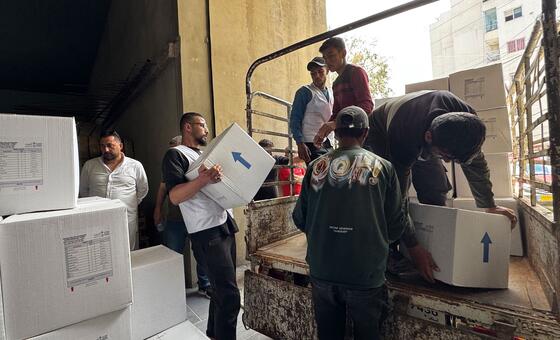
Humanitarian organizations have ramped up their operations in the face of relentless attacks, delivering essential supplies to over 182,000 individuals since the conflict intensified. These efforts include setting up temporary clinics, distributing food and water, and providing shelter for displaced families. Despite the challenges, aid workers have managed to maintain a steady flow of resources, though the scale of the damage has forced them to adapt their strategies to meet the growing demand.
UN agencies and NGOs have called for increased international support, citing the urgent need for medical equipment, personnel, and funding to sustain the healthcare system. The destruction of 17 hospitals has left many communities without adequate treatment, with some medical staff forced to work under constant threat. The situation has also impacted the availability of medical supplies, as warehouses and distribution centers have been hit in several attacks. These setbacks have prompted calls for emergency aid packages to be deployed to Lebanon as quickly as possible.
While the focus keyword “more strikes impact Lebanon hospitals” remains central to the narrative, the broader implications of the conflict extend beyond immediate casualties. The repeated targeting of healthcare facilities has eroded public trust in the safety of medical services, with some patients opting to avoid hospitals altogether. This has led to a surge in home-based care and the use of makeshift clinics, further straining Lebanon’s already limited resources. The ongoing crisis is a stark reminder of the vulnerabilities faced by healthcare systems in war zones and the need for sustained global attention.