
Myanmar: Aid decline compounds suffering amid ongoing military attacks
Myanmar: Aid Decline Compounds Suffering Amid Ongoing Military Attacks
Qinilo.com – The UN human rights office, OHCHR, has issued a report revealing that decreasing humanitarian aid is intensifying the hardship for millions of Myanmar residents five years into a conflict marked by military violence.
Ongoing Conflict and Human Rights Concerns
Foreign entities continue to supply arms, components, and fuel to the military, potentially enabling breaches of international human rights and humanitarian law. This flow of resources, including dual-use items, persists despite the escalating toll on civilians.
The report underscores that cuts to foreign aid are undermining local efforts to protect civilians from ongoing attacks, which have disrupted access to basic necessities like food, water, and healthcare. Such reductions threaten the sustainability of initiatives aimed at safeguarding communities.
“Predictable funding is essential to strengthen civilian protection initiatives,” the report stated.
Impact on Civilian Protection Efforts
Myanmar has experienced conflict since the military took control in February 2021. The report focuses on the period from August 2025, when elections were announced, through January 2026, detailing continued human rights abuses, disregard for legal systems, and the consequences of military-dominated voting processes.
Credible sources confirmed at least 702 civilian deaths during the reporting period, primarily in central areas and Rakhine state. Of these, 476 were attributed to airstrikes, with 111 occurring prior to the December 2025 election start.
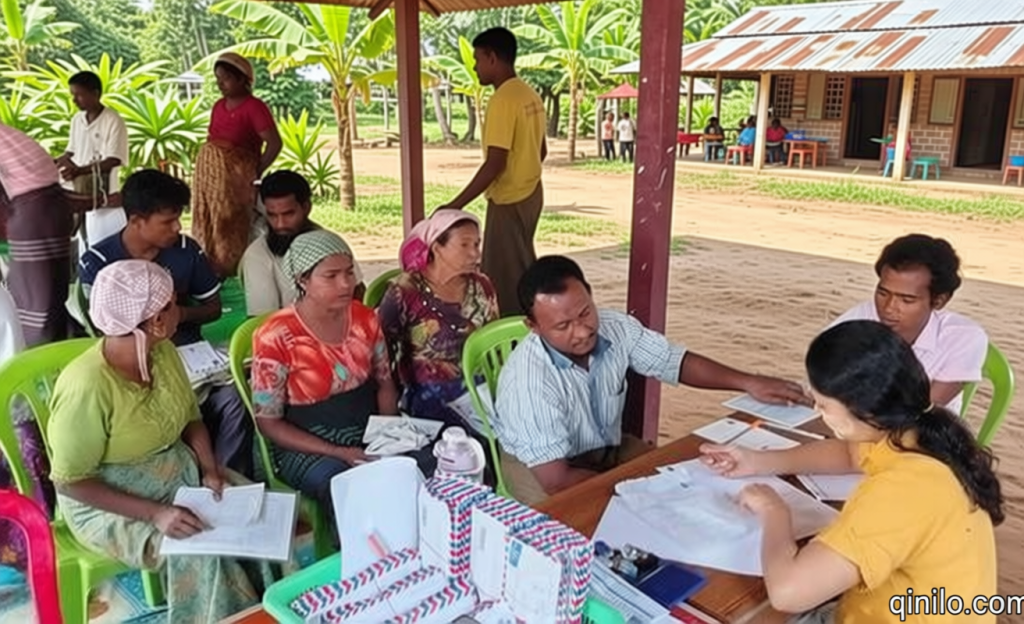
The shrinking international support has heightened civilian vulnerability, forcing civil society groups to reduce programs, shut down operations, and lay off staff. Ethnic media and women’s organizations have been disproportionately affected, leading to cuts in education, displaced person assistance, and mental health services.
Healthcare systems have also deteriorated due to military blockades and financial constraints, making it harder to maintain medicine supplies and operate medical facilities. Safe spaces for victims of sexual and gender-based violence have closed or scaled back, with essential programs relying on repurposed emergency funds.
“As if the people of Myanmar have not suffered enough at the hands of the military, they have now seemingly been forgotten by those outside the country,” said UN High Commissioner for Human Rights Volker Türk. “Funding for localized protection efforts was in many areas the only solace from the suffering caused by constant targeting and indiscriminate attacks by the military. This pullback just compounds that injury,” he added.
Call for Immediate Action
The report emphasizes that local protection systems remain tenuous but capable of offering some relief when grounded in community trust, legitimacy, and collaboration. It urges an immediate halt to hostilities and unrestricted access for humanitarian aid to those in urgent need of essentials like food, clean water, medicines, and basic services.