
Rights defender killings hit record high as UN pushes to shore up humanitarian action
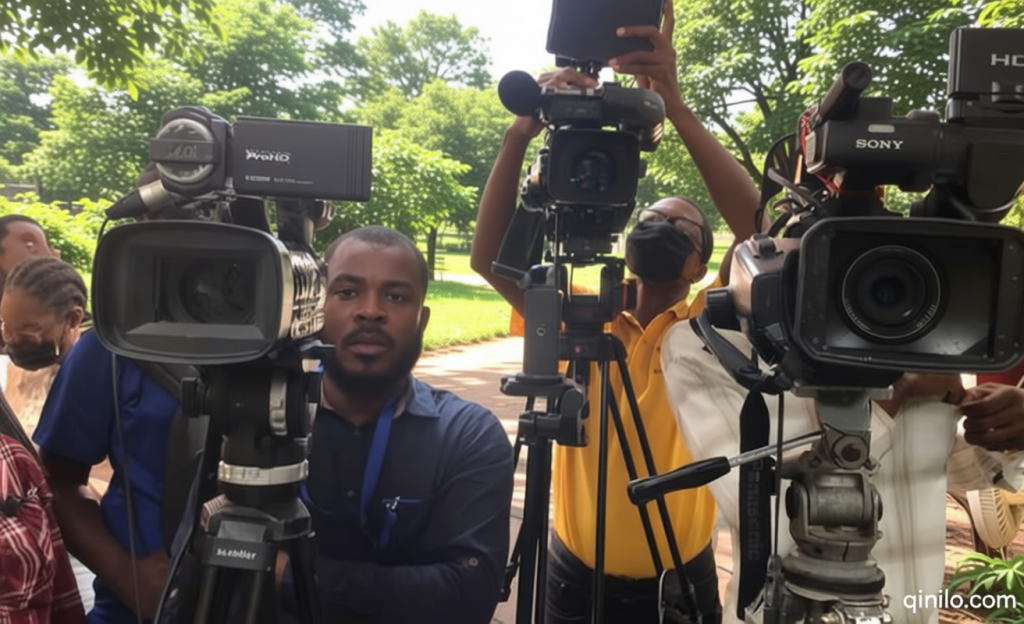
Rights Defender Killings Hit Record High as UN Urges Action
Qinilo.com – Human rights defenders face a record high in killings worldwide, according to a recent report by the United Nations Office of the High Commissioner for Human Rights (OHCHR). This alarming surge underscores the escalating threats against individuals advocating for justice, accountability, and social equity. The findings reveal a troubling trend that demands urgent attention from global institutions and governments to protect those at the forefront of humanitarian efforts.
The 2025 data, which marks a significant spike compared to previous years, highlights that nearly 950 human rights defenders, journalists, and trade unionists were killed or disappeared in just one year. This record-breaking number reflects a broader pattern of violence targeting activists, with the majority of incidents occurring in regions experiencing political instability or conflict. The report serves as a stark reminder of the risks faced by those who challenge power structures and promote human rights.
Escalating Threats to Human Rights Defenders
According to the Human Rights Count 2026 dataset, the rate of violence against human rights defenders has increased dramatically over the past decade. The statistics reveal that every 10 hours, an individual in this category is either killed or forcibly taken, emphasizing the relentless nature of these attacks. This trend has been exacerbated by rising tensions in conflict zones and the politicization of human rights advocacy, which has led to targeted killings by state and non-state actors alike.
The report also notes a surge in disappearances, which often precede or accompany targeted killings. These cases are frequently linked to countries with authoritarian regimes or fragile democracies, where dissent is met with extreme measures. The OHCHR highlights that the majority of victims are from regions such as South Asia, the Middle East, and sub-Saharan Africa, where human rights defenders are particularly vulnerable due to socio-political dynamics and lack of institutional protection.
UN Council Calls for Strengthened Humanitarian Protections
During its annual humanitarian affairs session, the Economic and Social Council (ECOSOC) addressed the growing crisis in protecting human rights defenders. The discussions emphasized the need for stronger mechanisms to ensure the safety of activists, journalists, and trade unionists working in high-risk environments. ECOSOC members agreed that the current level of support is insufficient to counteract the rising number of killings and that a coordinated global response is essential.
“The human rights defender killings hit record high, and this is a direct challenge to the credibility of our humanitarian systems,” said Tom Fletcher, the UN Emergency Relief Coordinator. He stressed that the survival of aid workers and activists depends on solidarity across sectors, including governments, civil society, and the private sector. The council also urged member states to prioritize the protection of defenders and allocate more resources to safeguard their work.
Experts warn that the increasing violence against human rights defenders not only disrupts local communities but also undermines international efforts to advance peace and justice. The OHCHR report calls for a comprehensive strategy to address the root causes of these attacks, including the promotion of accountability for perpetrators and the strengthening of legal frameworks to protect defenders. This includes the establishment of regional task forces and the integration of human rights protections into conflict resolution processes.
Regional disparities in the frequency of human rights defender killings are also evident. Countries in South Asia and the Middle East accounted for over 40% of the total cases, driven by factors such as military operations, political purges, and repression of dissent. In contrast, sub-Saharan Africa saw a significant rise in attacks linked to resource conflicts and ethnic tensions. The report further notes that the number of killings has grown in tandem with the number of human rights defenders working in conflict-affected areas, suggesting a direct correlation between advocacy and violence.
As the human rights defender killings hit record high, the UN continues to advocate for stronger international cooperation to address the crisis. The OHCHR has called for an emergency meeting of the Human Rights Council to discuss immediate measures, such as enhanced monitoring and rapid response mechanisms. Additionally, the report highlights the importance of empowering local communities and ensuring that human rights defenders have access to safe spaces and legal support. With these steps, the UN aims to reduce the number of killings and protect the vital role these individuals play in advancing humanitarian goals.