
‘The day never stops’ for aid workers braving missiles and drones in Ukraine
The Day Never Stops for Aid Workers in Ukraine
Qinilo.com – The day never stops for aid in the heart of Ukraine’s ongoing conflict, where humanitarian efforts face relentless challenges from missiles, drones, and shifting battlefronts. Five years into Russia’s full-scale invasion, aid workers in southern regions like Odesa, Mykolaiv, and Kherson are not just delivering supplies—they are navigating a labyrinth of danger, adapting daily to ensure survival and support for millions in need.
A Relentless Rhythm of Crisis
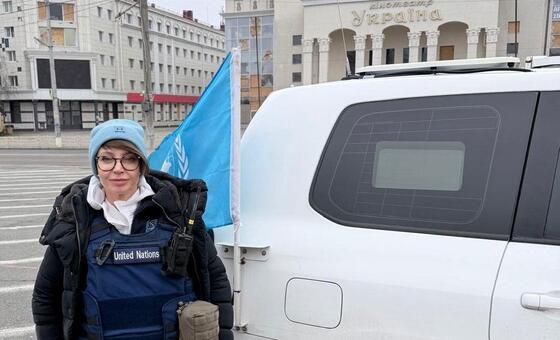
For field security coordination officer Olga Scripovscaia, the rhythm of work is dictated by the unpredictable nature of war. Every morning, she begins with a question: “What changed overnight?” This constant evaluation is essential as air alerts echo through the night, forcing her to reassess risks and adjust strategies in real-time. The southern regions, once bustling with life, now face the dual threats of precision-guided drones and landmines, making even the most basic tasks—like securing a supply route—daily battles.
Despite the chaos, the mission remains clear: to sustain aid delivery. The terrain shifts as quickly as the conflict itself, with roads vanishing and bridges falling under bombardment. Olga’s team operates with a precision that mirrors the drones they now track, issuing rapid reports and conducting headcounts to ensure no one is left behind. Their work is a testament to the resilience required in a war that shows no signs of slowing down.
Humanitarian Efforts in a Shattered Landscape
As the conflict stretches into its fifth year, the humanitarian needs in southern Ukraine have grown more complex. Aid agencies must balance immediate relief with long-term recovery, often operating in areas where local support networks have been decimated. The emotional toll is immense, with Olga noting that the human element of their work is as critical as the logistical ones. “There’s always something ongoing here. Things are never quiet,” she reflects, highlighting the unending demands of the job.
Survivors in these zones face not just the physical destruction of war, but also the psychological strain of uncertainty. Every day, aid workers must make split-second decisions, weighing the risks of advancing further against the consequences of holding back. This delicate balancing act is what defines their role—ensuring that no matter the obstacles, aid continues to flow to those who need it most.
Adapting to Evolving Threats
The security challenges in Ukraine have grown increasingly sophisticated as the conflict evolves. What was once a matter of avoiding artillery fire now includes countering advanced drone technology and navigating minefields with greater caution. Olga explains that the landscape of threats is constantly changing, requiring her team to reassess their strategies daily. “A road usable today may not exist tomorrow,” she says, underscoring the need for constant vigilance.
These adaptations are not just about survival—they are about sustaining the human spirit. When areas deteriorate, teams must delay missions or reroute supplies, often sacrificing speed for safety. This flexibility is vital, as the goal remains the same: to keep aid flowing regardless of the circumstances. The mantra of “the day never stops for aid” is more than a slogan; it is a commitment to perseverance in the face of relentless adversity.
Empathy in the Face of Danger
Olga’s military background equips her with the discipline to manage the influx of data and decisions, but it is her perspective as a woman in the field that adds a unique dimension to her approach. She emphasizes the importance of seeing beyond protocol, recognizing the tears and emotions of those waiting for relief. “Being a woman, maybe you see more than protocol. You see tears. You see emotions. You see things beyond procedures,” she notes, capturing the heart of the humanitarian mission.
This empathy is crucial in volatile zones, where decisions are often driven by more than just risk assessments. For Olga, the emotional impact of the work is a guiding force, reminding her that behind every logistical challenge lies a human story. Whether it’s a child needing medical care or a family seeking shelter, the “day never stops for aid” is a reminder of the stakes involved in their daily efforts.
Building Resilience in a Changing World
When missions are delayed, the focus shifts to alternatives. Olga and her team must think creatively, whether adjusting routes, reevaluating conditions, or planning for future access. This adaptability is a hallmark of their work, ensuring that aid remains a constant despite the ever-changing battlefield. “If today is not possible, we are already thinking about how to make it possible tomorrow,” she says, encapsulating the spirit of endurance that defines their role