
Thousands trapped in southern Ukraine struggle to survive
Thousands Trapped in Southern Ukraine Face Growing Survival Challenges
Qinilo.com – As the conflict in southern Ukraine continues to escalate, thousands of civilians remain stranded in the region, struggling to endure the harsh conditions imposed by the ongoing war. The United Nations Human Rights Monitoring Mission in Ukraine (HRMMU) has raised urgent concerns about the deteriorating humanitarian situation, highlighting the critical need for immediate relief efforts. Access to basic necessities such as food, water, and medical supplies has been severely limited, forcing people to rely on dwindling reserves and sporadic aid deliveries. With the war persisting and infrastructure damaged, the plight of those trapped in the south has become a pressing issue for global attention.
Occupied Kherson Region Struggles with Daily Threats
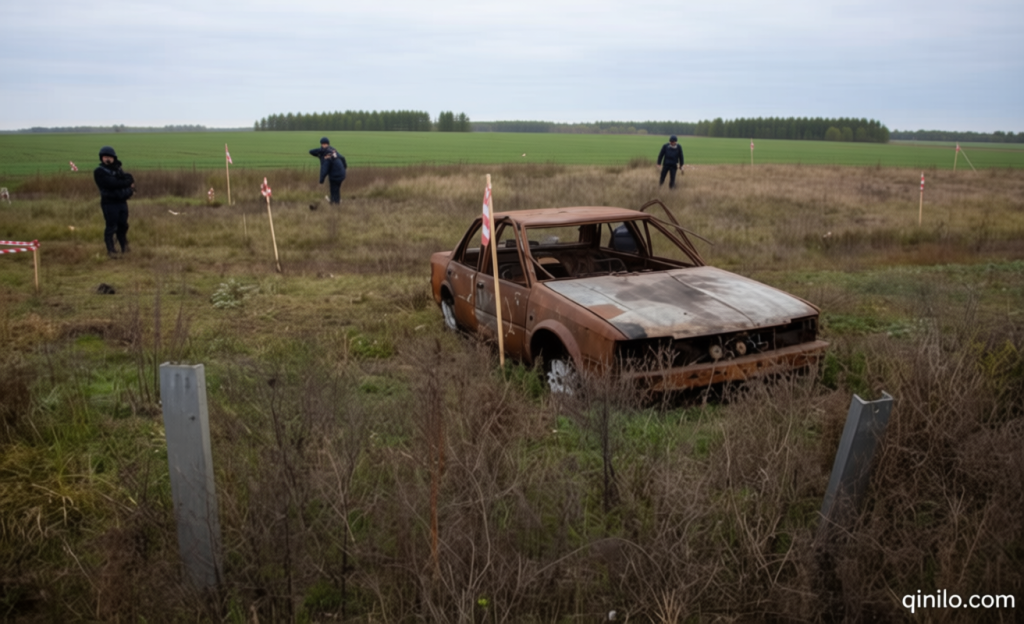
Residents in the occupied Kherson region describe a life of constant uncertainty, where the threat of attack looms over every aspect of daily existence. Drone strikes, artillery fire, and landmine placements have disrupted movement, leaving many unable to escape the frontlines. “We live in fear every day, knowing that one strike could end our lives,” said a local resident, speaking from the rubble of their home. The HRMMU has confirmed that the situation in Kherson has worsened significantly since 2025, with supply lines breaking down and emergency evacuations proving perilous. Over 6,000 civilians are still believed to be in frontline towns like Oleshky and Hola Prystan, including more than 180 children, according to Ukrainian officials.
With access to evacuation routes blocked, the population faces an increasing risk of starvation and disease. The last functioning grocery store in Oleshky closed its doors in January, leaving families to ration supplies. Reports indicate that 29 civilians have died and 54 have been injured in the area this year alone, underscoring the dire consequences of the conflict. A recent incident in May, where a woman fled with her children after a drone strike killed her neighbors, exemplifies the desperation that now defines life in the south.
Healthcare and Evacuation Challenges
Medical facilities in the region are operating at a fraction of their capacity, with thousands trapped in southern Ukraine unable to access timely care. HRMMU reported that ambulances can no longer reach homes directly, and patients are forced to wait for hours in overcrowded clinics. Four individuals in Oleshky require specialized treatment but remain trapped in the town due to ongoing threats. One patient recently succumbed to untreated injuries, drawing condemnation from international health organizations.
Evacuation efforts are also hampered by the presence of minefields and the frequency of attacks. While some residents have managed to flee via informal routes, organized evacuations remain too dangerous for many. HRMMU reiterated that an occupying force must ensure the protection of civilians and allow humanitarian aid to flow unimpeded. Recent attacks on aid convoys, including a landmine strike that killed one worker and injured three, have further complicated these efforts. The situation in southern Ukraine highlights the urgent need for a coordinated ceasefire to save lives.
International Response to the Crisis
Amid the growing crisis, the United Nations has condemned the attacks on humanitarian workers, emphasizing the importance of protecting those who deliver aid to thousands trapped in southern Ukraine. Emergency Relief Coordinator Tom Fletcher called for greater accountability, stating that aid workers should not be targeted while performing their duties. The UN’s recent social media statement underscored the violation of international humanitarian law, which mandates the safe passage of relief supplies and the protection of civilians.
Humanitarian Coordinator Matthias Schmale expressed sorrow over the deaths of two Norwegian People’s Aid employees in the region. He reiterated that the safety of aid workers is essential to the success of relief operations. Since January, at least six humanitarian workers have been killed in Ukraine, with five of them perishing while on duty. The UN is urging both Ukraine and Russia to prioritize the protection of civilians and ensure that aid reaches those in need, especially in areas where thousands trapped in southern Ukraine continue to face dire conditions.
Impact on Vulnerable Populations
The most vulnerable groups—such as the elderly, children, and those with disabilities—are bearing the brunt of the crisis. With no regular shipments reaching Oleshky for nearly a month, families are forced to rely on stored food and the kindness of neighbors. A 72-year-old resident, who lost her home to shelling, described how she and her grandchildren now share a single pot of soup each day. “We don’t know how much longer we can last,” she said, her voice trembling. The lack of medical care has also left many without access to life-saving treatments, exacerbating the suffering of those trapped in southern Ukraine.
Local volunteers, working tirelessly to provide assistance, have become lifelines for the displaced. However, their efforts are stretched thin as they navigate minefields and evade attacks to deliver supplies. Over 180 people have managed to leave the region through informal channels, but the majority remain in place, unable to risk the journey. The HRMMU has called for a local ceasefire to enable safe evacuations, as the situation in southern Ukraine continues to deteriorate. Without urgent action, the number of people in need is expected to rise.
Long-Term Consequences of the Crisis
The humanitarian crisis in southern Ukraine is not only a present emergency but also a long-term threat to the region’s stability. With the war disrupting food supplies, the population is at risk of prolonged malnutrition and disease outbreaks. The closure of schools and hospitals has further compounded the challenges, as children miss out on education and the sick lack proper treatment. Reports indicate that the area’s infrastructure, including roads and communication networks, has been severely damaged, limiting the ability to coordinate relief efforts.
As the conflict extends into 2026, the situation for those trapped in southern Ukraine grows more precarious. The HRMMU has warned that without intervention, the crisis could escalate beyond control. The region’s residents are now caught in a cycle of fear, scarcity, and isolation, with no clear path to safety. The global community must act swiftly to support these efforts, as the lives of thousands trapped in southern Ukraine hang in the balance. Every delay in aid delivery or evacuation increases the risk of irreversible harm to the population.