
Venezuela’s earthquake-hit hospitals pushed to the brink as disease risk grows
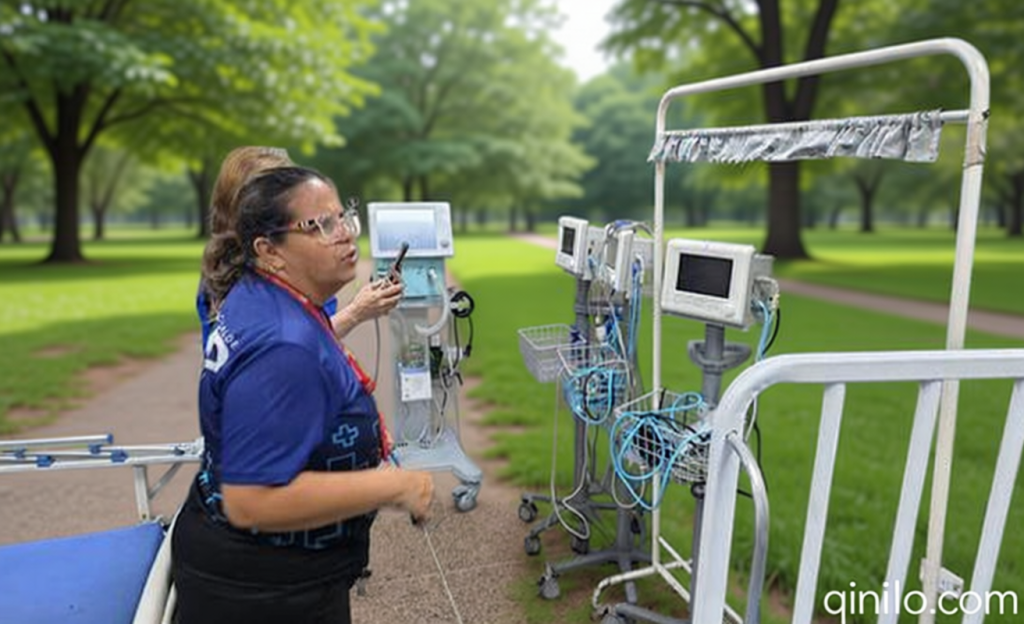
Venezuela’s Earthquake-Hit Hospitals Near Collapse Amid Disease Threat
Qinilo.com – Venezuela’s earthquake-hit hospitals are now on the verge of collapse, raising fears of disease outbreaks as the disaster’s impact continues to mount. After a week of severe seismic activity in northern regions, healthcare facilities in La Guaira, Caracas, and Miranda are struggling to maintain operations. The strain on resources has intensified concerns about public health, with temporary shelters becoming high-risk zones for contagious illnesses.
Health System Under Siege
The Pan American Health Organization (PAHO), working alongside the UN, has identified critical shortages across eight health facilities affected by the quake. Immediate external aid is crucial to prevent further decline in medical services. Three of these centers suffer from structural damage, while others face operational breakdowns. The disaster has already claimed 2,295 lives, injured 11,267 people, and displaced 12,841 individuals, straining the nation’s healthcare infrastructure.
Even before the earthquake, Venezuela’s health system was in crisis, with up to 37% of essential medicines in short supply. Years of underinvestment and financial instability have left facilities understaffed and under-resourced. Thousands of medical workers have fled the country, compounding the challenges faced by remaining staff. The earthquake has now pushed these facilities to their limits, threatening to exacerbate existing vulnerabilities.
La Guaira’s Medical Struggles
Vargas-IVSS hospital in La Guaira, a key regional health hub, is operating at full capacity with 96 patients in a ward designed for eight beds. The morgue is overwhelmed, and the blood bank has only 35 units left. Both ventilators in the trauma unit are nonfunctional due to power outages, and communication systems—phones and internet—have failed, complicating coordination efforts.
Water must be delivered manually in containers multiple times a day, while medical waste accumulates in hallways. Despite the building’s structural stability, PAHO has marked Vargas-IVSS as a top priority, emphasizing its critical role in emergency care. The lack of essential supplies and the overburdened staff have created a dire situation, with the risk of disease outbreaks growing by the hour.
Global Aid Efforts
International organizations are stepping in to support the overwhelmed system. PAHO has already delivered 2.18 tonnes of medical supplies to La Guaira’s regional health authority, including trauma kits, injectable drugs, and 320 body bags. Additional shipments of four tonnes from Panama are arriving to bolster the response. A 48-bed field hospital, equipped with ICU stations and operating rooms, is now active in the region, providing temporary care for the injured.
WHO’s Director-General, Tedros Adhanom Ghebreyesus, announced the release of $1.5 million from the Contingency Fund for Emergencies, with 28 tonnes of supplies set to arrive from Dubai. The agencies have collectively requested nearly $24 million to sustain operations for the next six months. While these efforts are vital, the scale of the crisis underscores the urgent need for sustained international support.
Shelters and Services in Sports Venues
La Guaira’s sports arenas, such as the José María Vargas complex and César Nieves stadium, have been converted into makeshift healthcare and relief centers. These venues now serve as hubs for triaging patients, distributing food and water, and providing shelter. The UNHCR is seeking $14.85 million to support up to 30,000 displaced individuals with essential aid, including hygiene kits and sanitation facilities.
As displaced families move into these shelters, the risk of disease transmission increases. Overcrowded conditions and limited access to clean water and sanitation create ideal environments for illnesses to spread. Local communities and volunteer groups are playing a pivotal role, but their efforts are being stretched thin. The PAHO report highlights that without timely intervention, the situation could spiral into a public health emergency.
Long-Term Implications
The earthquake has not only caused immediate physical damage but also exposed systemic weaknesses in Venezuela’s healthcare system. With hospitals pushed to the brink, the risk of disease outbreaks, such as cholera or respiratory infections, is rising. The collapse of supply chains and communication networks has further complicated efforts to manage the crisis.
Healthcare workers who remain in the country are facing unprecedented challenges, including long hours and limited resources. The coordinator of maternal care in La Guaira remains missing, leaving expectant mothers without critical support. This highlights the broader impact of the disaster on vulnerable populations, emphasizing the need for coordinated international efforts to stabilize the situation.