
War is becoming a death sentence for women and girls
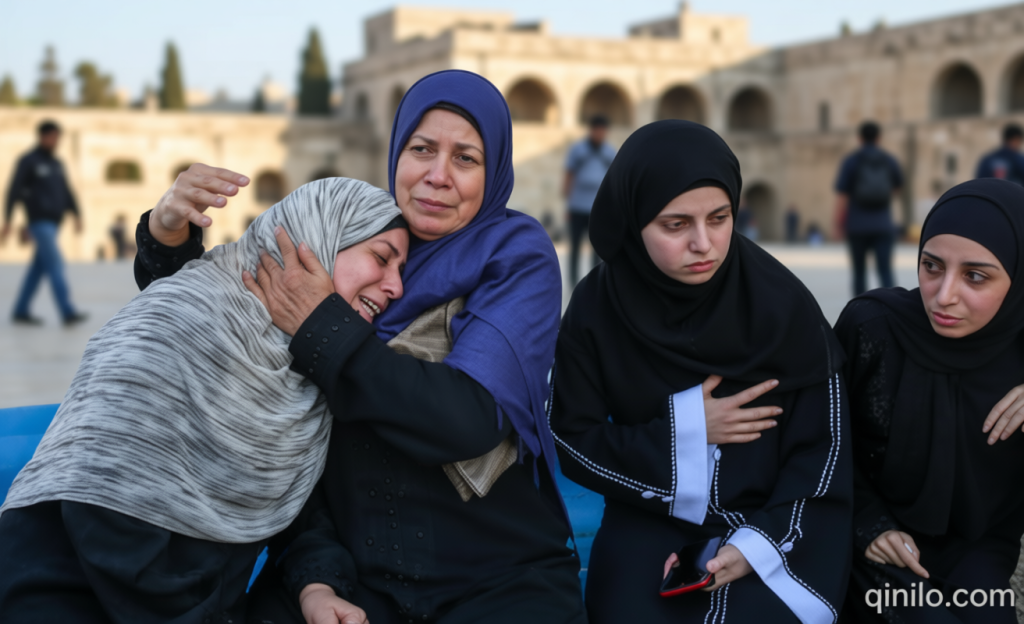
War’s Toll on Women and Girls: A Growing Crisis
Qinilo.com – Modern conflicts are increasingly shaping a grim reality for women and girls, transforming war into a relentless threat to their lives and futures. The statistics reveal a troubling pattern: in 2025, over 37,000 civilians perished in 20 active wars, with nearly one in five of those deaths attributed to women. This surge in violence underscores how war’s devastation is no longer evenly distributed, but instead targets vulnerable populations with alarming precision.
Amid this backdrop, the personal stories of survivors like Mona highlight the human cost of conflict. At just thirteen, she recounts the horror of an airstrike that shattered her family’s life. “We were on the sixth floor when the second attack hit,” she says, her voice still trembling. “My uncle’s wife cried out, ‘My children! My children are gone!’ As I ran to aid her, another explosion tore through the room. That’s when my mother and siblings were lost.” Mona’s leg was amputated, and her family home was reduced to rubble, leaving her to navigate a world forever changed by war.
“We were sitting on the sixth floor when they struck the seventh – my uncle’s apartment,” she said. “My uncle’s wife was screaming, ‘My children! My children are gone!’ As I rushed to help her, they fired the second shell. That’s when my mother and my siblings were killed.”
While bombs strike indiscriminately, the fallout often weighs heavier on women. Displacement, disrupted education, and access to healthcare are just some of the challenges they face. In places like Sudan, where the war has entered its fourth year, the crisis has deepened. Over 123 million people were forced from their homes globally by the end of 2024, a figure that has only grown as conflicts escalate. For women and girls, this displacement means enduring overcrowded shelters, separating from loved ones, and facing exploitation in unfamiliar environments.
Women are also disproportionately affected by the physical and psychological scars of war. In Gaza, 38,000 women and girls were killed by December 2025, even as ceasefire talks persisted. Over 95% of the region’s infrastructure damage was concentrated in residential areas, leaving families to rebuild their lives amid ruins. The UN reported that 94% of hospitals were damaged or destroyed by that time, forcing women to give birth in unsafe conditions and leaving injured civilians without adequate treatment. Meanwhile, nearly 700,000 women and girls struggled to manage menstruation due to shortages of sanitary supplies and the instability of their living conditions.
The psychological burden of war is profound, especially for women in regions like Afghanistan, Ukraine, Gaza, and Lebanon. Widespread depression, anxiety, and post-traumatic stress disorder have become common, often exacerbated by the lack of mental health resources. “In countries like ours, the emotional toll is immense,” said a survivor from Lebanon, emphasizing the isolation felt by those who cannot access therapy or support networks.
Sexual violence has also surged, with the UN documenting over 9,300 cases in 2025—more than double the previous year. These incidents often go unreported, as survivors fear stigma or retaliation. Women and girls make up over 95% of those who came forward, suggesting the true scale of abuse may be even higher. Attacks on women occur not just in battlefields but also in their homes, as they search for food, water, or medical aid. This brutality reinforces the idea that war is not only a physical conflict but a gendered one.
Despite carrying the weight of survival, women are frequently sidelined from peace processes. Globally, they represent just 7% of negotiators and 14% of mediators in formal conflict resolutions. This exclusion is a missed opportunity, as women’s perspectives are critical to crafting sustainable peace. Their leadership in rebuilding communities, however, remains undeniable. From running makeshift kitchens to supporting displaced families and advocating for equitable solutions, women are often the backbone of resilience in war-torn regions.
Escalating Conflicts and Enduring Inequality
Protection of Civilians Week, a UN initiative, serves as a reminder of the ongoing threats faced by non-combatants. The current number of active conflicts is the highest since 1946, with wars stretching longer and intensifying in urban areas. This trend means civilians are more exposed to direct harm, as conflict zones become the sites of daily violence rather than distant theaters of war.
The impact of war on women is both immediate and long-term. In Sudan, the number of women requiring assistance after gender-based violence nearly doubled in two years, reflecting the deepening crisis. Displacement has also led to systemic challenges, such as the loss of livelihoods and the erosion of social safety nets. Women, who often bear the responsibility of caring for children, elderly relatives, and injured family members, face an overwhelming struggle to survive while maintaining essential roles.
As communities crumble, the gender divide in war’s consequences becomes stark. While bombs may not discriminate, the aftermath often does. Women are more likely to lose their homes, schools, and workplaces, compounding their vulnerability. In Gaza, the destruction of residential buildings has not only claimed lives but also disrupted the basic functions of daily life, forcing women to take on new responsibilities in a chaotic environment.
Yet, even in the face of devastation, women continue to lead efforts in recovery and resilience. They organize aid distributions, advocate for victims, and rebuild local economies with limited resources. Their contributions are vital, yet they remain underrepresented in the political and diplomatic arenas that shape the future of their communities. Without their inclusion, peace agreements risk failing to address the unique challenges they face.
The UN warns that modern warfare’s patterns threaten to deepen inequality for generations. Women and girls are not only victims but also the first to suffer from the long-term consequences of conflict, such as extreme poverty, hunger, and the loss of educational opportunities. As the world grapples with escalating wars, it is imperative to recognize and support the central role women play in both enduring and shaping the outcomes of these crises.
From Mona’s experience in Gaza to the broader statistics across the globe, the story of women and girls in war is one of resilience, sacrifice, and ongoing struggle. While their efforts to survive are remarkable, the need for systemic change—funding, protection, and inclusion in decision-making—has never been more urgent. The future of peace depends on ensuring that the voices of those most affected are heard, and their needs are prioritized in the face of ever-intensifying conflict.