
World News in Brief: Risky return home in Lebanon, displacement in Gaza, emergency funding for Somalia
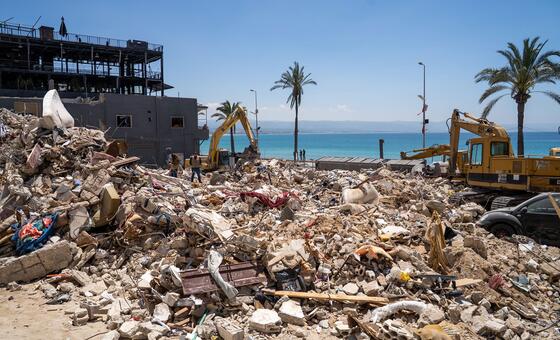
World News in Brief: Lebanon, Gaza, Somalia Face Persistent Global Challenges
Qinilo.com – World News in Brief — The United Nations has highlighted critical developments across three regions facing escalating humanitarian crises. In Lebanon, displaced families remain cautious about returning home due to ongoing risks, while in Gaza, rising tensions continue to displace civilians, and in Somalia, a food shortage crisis demands urgent international support. The focus keyword “World News in Brief” encapsulates these pressing global issues, offering a concise update on the most significant events shaping the world today.
Lebanon: Displaced Communities Grapple with Uncertainty
Following the U.S.-Iran agreement announced last week, the UN Office for the Coordination of Humanitarian Affairs (OCHA) emphasized that many Lebanese citizens are still reluctant to return to their communities. The deal, which aimed to de-escalate a prolonged conflict, has not yet resolved key concerns about safety and stability, leaving displaced individuals in a state of prolonged hesitation.
“People should not return until it is safe to do so,” OCHA reiterated, stressing that the risk of renewed violence persists in several regions.
Meanwhile, the UN Interim Force in Lebanon (UNIFIL) reported a notable decrease in hostilities in the southern regions, where Israeli forces and Hezbollah have been engaged in combat since the early stages of the crisis. Some families in areas like Nabatieh are now considering a return, but the decision remains tied to the availability of secure living conditions and updated security assessments.
Local officials confirmed that shelter capacity remains stretched, with many households delaying their decision to relocate back home. The Lebanese military has issued advisories to avoid high-risk zones, and the UN continues to push for measures that ensure civilian safety and uninterrupted aid distribution. These efforts underscore the importance of sustained international cooperation in stabilizing the region.
Gaza: Displacement Surges Amid Escalating Conflicts
Escalating tensions in Gaza have intensified the displacement of families, with OCHA reporting new movements over the weekend. A recent airstrike in Jabalia, where a UN school was damaged, has further heightened anxiety among civilians, though the physical impact was described as limited. This development adds to the growing challenges faced by humanitarian organizations working to support displaced populations.
“Worsening insecurity is increasing the pressure to move again,” noted a local observer, underscoring the precarious situation for Gazans.
Israeli troops have extended the “Yellow Line” westward in eastern Gaza City, marking restricted zones with yellow blocks. This boundary, introduced in October 2025 and adjusted multiple times, has become a focal point for conflict. Human rights groups report that Palestinians have been killed for crossing these limits, illustrating the volatile nature of the current environment.
Humanitarian partners have activated emergency responses to assist newly displaced families, many of whom leave with little more than the clothes on their backs. The Kerem Shalom/Karem Abu Salem crossing remains the primary entry point for aid, but restrictions on essential items like power generators and medical supplies continue to hamper relief efforts. Recent negotiations have allowed limited additional support for nutrition programs, highlighting the fragile balance between aid delivery and military operations.
Somalia: Emergency Funding Targets Worsening Food Crisis
The United Nations has allocated $10 million in urgent funding to combat the deepening hunger crisis in Somalia. This financial support, drawn from the Central Emergency Response Fund (CERF), aims to provide essential services such as food, healthcare, and clean water to nearly 640,000 people across nine key districts. The funding underscores the global commitment to alleviating the crisis, even as challenges mount in the region.
Humanitarian agencies warn that over five million Somalis, or 30% of the population, could face severe food shortages this year. The Bay and Bakool regions are particularly vulnerable, with rural farming communities at the highest risk of famine due to prolonged drought, internal conflict, and soaring inflation. These factors have created a dire situation where families are struggling to afford basic necessities, despite ongoing relief efforts.
Aid distribution remains critically underfunded, with only 20% of the 2026 appeal collected so far. As of January, just 24% of those in need have received assistance, highlighting the urgency of the situation. Rising costs for food and fuel, driven by regional instability, further strain household budgets. The World News in Brief highlights how these challenges require immediate and sustained international attention to prevent a humanitarian catastrophe.
The interplay of these crises illustrates the complex challenges facing global stability. In Lebanon, the return home is seen as a risky endeavor, while in Gaza, displacement continues to erode livelihoods. Meanwhile, Somalia’s food crisis serves as a stark reminder of how climate and conflict can combine to create dire humanitarian needs. Each region’s situation is a testament to the UN’s ongoing efforts to provide support and ensure safe conditions for recovery.