
World News in Brief: Students injured in Sudan drone strike, dangerous returns in south Lebanon, celebrating women diplomats
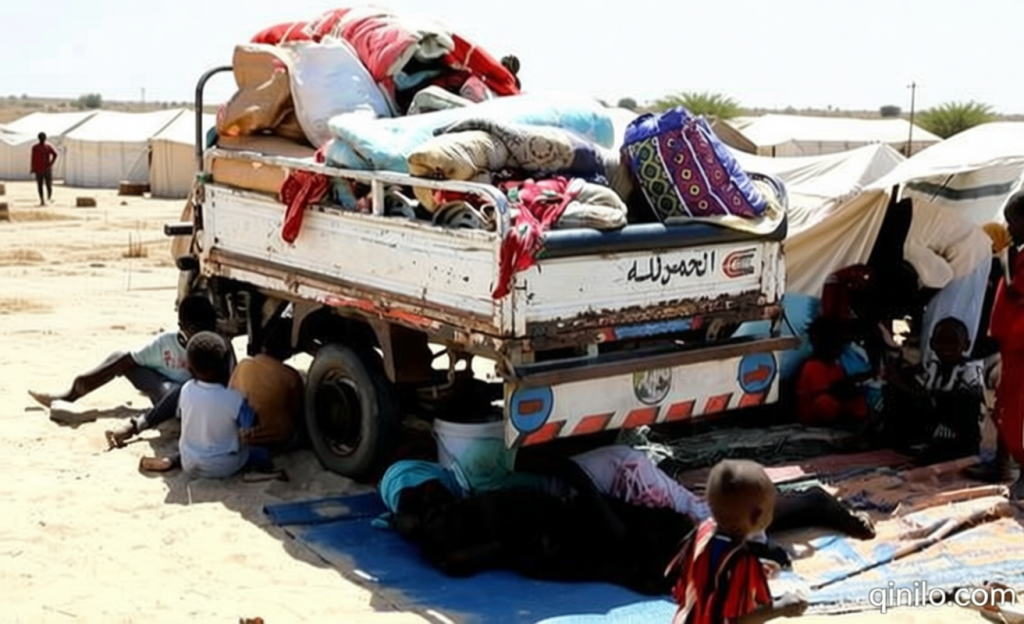
World News in Brief: Sudan Drone Strike, Lebanon Return Risks, Women in Diplomacy
Sudan Conflict Escalates
Qinilo.com – World News in Brief: A recent drone strike in El Obeid, Sudan, has raised alarm over the ongoing instability in the region. The United Nations has issued urgent warnings about the escalating conflict, with senior officials emphasizing the need for immediate action to prevent further civilian casualties. The attack, which targeted an unoccupied fuel tanker near a school, has left several students injured, underscoring the vulnerability of educational infrastructure in the war-torn state of North Kordofan.
Located in the western part of Sudan, El Obeid has become a focal point for humanitarian efforts as the conflict intensifies. The UN has deployed medical teams to provide trauma care and distribute essential supplies, including disease prevention kits and reproductive health resources, to affected communities. This comes amid growing concerns about the Rapid Support Forces (RSF) potentially launching an assault on the city, which could exacerbate the already dire situation for its residents.
Humanitarian organizations have highlighted the critical need for aid in El Obeid, where nearly 800,000 people depend on assistance for survival. The strike near UN facilities has also drawn attention to the risks faced by international aid workers. Meanwhile, in the nearby Sheikan region, the largest area of North Kordofan, the demand for humanitarian support remains high, with displaced families struggling to access basic necessities.
“The continued violence in El Obeid threatens to displace more civilians and deepen the humanitarian crisis,” said a UN spokesperson. “We urge all parties to prioritize the safety of non-combatants, especially children.”
Lebanon’s Humanitarian Challenges
Amid the backdrop of regional tensions, southern Lebanon faces significant challenges as displaced families begin to return to their homes. According to the Office for the Coordination of Humanitarian Affairs (OCHA), the number of individuals in collective shelters has dropped from 103,000 to around 72,000 since last Friday, indicating progress in reintegration efforts. However, this transition is not without risks, as many communities still grapple with the aftermath of military operations.
Local authorities in the Tyre district of the South Governorate have raised alarms about the persistent dangers in the area. Unexploded ordnance and other explosive remnants continue to pose threats to civilians, particularly as families rebuild their lives. Aid groups stress that these hazards must be addressed to ensure a safe return, highlighting the need for continued support from international organizations.
The UN has called for increased coordination between local and global agencies to mitigate risks and support sustainable reintegration. Volunteers and humanitarian teams are working tirelessly to clear minefields and provide education and livelihood programs for displaced populations. Despite these efforts, the process remains slow, with many families hesitant to settle in areas still considered unsafe.
“Security concerns remain a key barrier to safe reintegration, but with sustained efforts, we can create conditions for lasting stability,” noted OCHA officials. “The return to normalcy depends on addressing both physical and psychological trauma among affected communities.”
Women in Diplomatic Leadership
The International Day of Women in Diplomacy has drawn attention to the underrepresentation of women in global decision-making roles. While the United Nations has made strides in promoting gender equality, women still hold less than a quarter of cabinet minister positions worldwide. This disparity persists even in high-profile diplomatic posts, where women’s voices are often sidelined in critical peace negotiations.
“Women must be at the table to ensure diverse perspectives shape our international policies,” emphasized UN Deputy Secretary-General Amina Mohammed. “Their inclusion is not just a matter of fairness—it’s essential for effective conflict resolution.”
Recent developments, however, offer hope. Kyrgyzstan’s Ambassador to the UN, Aida Kasymalieva, has become the first woman from Central Asia to represent her country on the Security Council. Her appointment marks a milestone in the region’s commitment to women’s leadership in global affairs. Kasymalieva has underscored the importance of gender diversity in peace and security discussions, arguing that it enriches diplomatic strategies with broader insights.
The UN has launched initiatives to support women in diplomacy, including mentorship programs and funding for female-led peacebuilding projects. These efforts aim to address systemic barriers and encourage more women to take on leadership roles. As the world grapples with complex conflicts, the inclusion of women in diplomatic processes is increasingly seen as a vital step