
World News in Brief: UN urges restraint as Gulf tensions rise, fear and uncertainty in Lebanon, hunger grows in the Sahel
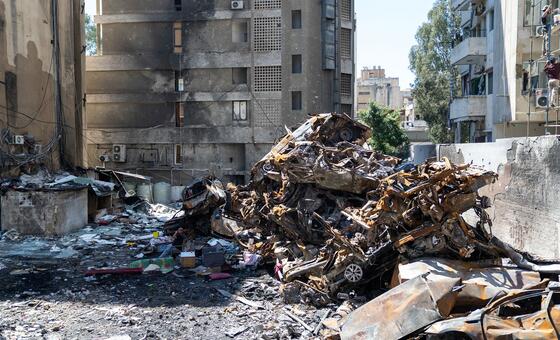
World News in Brief: UN Urges Calm Amid Gulf Tensions, Lebanon’s Uncertainty, and Sahel Hunger Crisis
Gulf Escalation Sparks UN Concern: Rising Tensions and Calls for Restraint
Qinilo.com – Amid escalating regional tensions, the United Nations has called for immediate calm, emphasizing the need for restraint as hostilities between the United States and Iran intensify. Recent reports highlight gunfire exchanges in the early hours, raising fears of a broader conflict that could impact stability across the Gulf. The situation has grown more precarious with Iran launching attacks on Kuwait and Bahrain, prompting global attention to the fragile peace in the region.
“The Secretary-General urges all parties to adopt strict self-restraint and prevent further actions that could jeopardize ongoing diplomatic efforts. Sovereignty and territorial integrity of all nations must be upheld,” stated UN Spokesperson Stéphane Dujarric.
These warnings come as the UN continues to monitor the situation closely, with concerns over the potential for military escalation. The Secretary-General has called for dialogue to resolve disputes, stressing that sustained conflict risks drawing in other regional powers and exacerbating the humanitarian fallout. International observers are also tracking the economic and political repercussions, which could ripple across the Middle East and beyond.
Meanwhile, the Gulf’s geopolitical landscape remains in flux, with neighboring countries caught in the crossfire of competing interests. Analysts suggest that the conflict may deepen divisions, forcing the UN to play a more active role in mediating between factions. The stakes are high, as the region’s energy infrastructure and trade routes could be disrupted, affecting global markets and supply chains.
Lebanon’s Ongoing Struggles: A Nation in Peril
Lebanon’s communities are increasingly gripped by fear as clashes between Hezbollah and Israeli forces continue in the southern regions. The conflict has triggered widespread displacement, with families fleeing their homes in search of safety. This instability is compounded by the nation’s fragile economy, which has already been strained by years of political gridlock and external pressures.
“In Beirut, around 200,000 individuals were evacuated from southern suburbs after the Israeli Defense Forces issued an order on June 1,” added Dujarric.
The evacuation efforts have exposed the vulnerability of Lebanon’s infrastructure and population. Footage from Monday revealed long lines of vehicles departing the capital, responding to warnings of potential Israeli strikes on Hezbollah strongholds. This ongoing uncertainty has led to a psychological toll on residents, many of whom are now living in constant fear of displacement or injury.
UNICEF has highlighted the profound impact on Lebanon’s youth, with over 770,000 children experiencing trauma-related fears and disrupted education. The agency reports that caregivers are struggling to provide emotional support, as the conflict has become a daily reality for thousands. Without adequate intervention, the long-term consequences for Lebanon’s children could be severe, affecting their development and future prospects.
International aid organizations are working tirelessly to address the crisis, but resources are stretched thin. The UN has urged governments to increase funding for humanitarian relief, as the situation in Lebanon worsens. The World News in Brief has also noted the growing need for global solidarity in supporting the country’s recovery efforts.
Sahel Region Faces Severe Humanitarian Crisis: A Growing Hunger Emergency
Across the Sahel region, over 24 million people are now in urgent need of aid, as violence and instability threaten their livelihoods. The United Nations Office for the Coordination of Humanitarian Affairs (OCHA) has warned that the situation is worsening, with mothers unable to feed their children and children missing schooling for years. The crisis has reached a critical point, demanding immediate international attention.
“Armed groups have expanded their influence across the Sahel, displacing communities and shutting down essential services like schools and health centers,” warned OCHA.
Recent data indicates that nearly 12,900 schools have been closed due to insecurity, impacting over 2.3 million children. This lack of access to education has left many vulnerable to recruitment by armed factions, while the absence of healthcare services has worsened the nutritional crisis. OCHA has also reported that displacement has reached alarming levels, with millions of families forced to seek refuge in overcrowded camps or urban areas.
Despite the scale of the need, funding for the Sahel region has dropped to its lowest level in a decade. Last year, aid organizations received only 29% of the required funds, forcing the suspension of critical services. The World News in Brief has underscored the urgency of securing additional resources to prevent a humanitarian catastrophe. The region’s fragile ecosystems and agricultural systems are also under threat, exacerbating food shortages and economic hardship.
As the situation in the Sahel continues to deteriorate, the UN has called for a coordinated global response. This includes not only financial support but also the deployment of peacekeeping forces and the restoration of basic infrastructure. The World News in Brief remains a key platform for raising awareness of these issues, ensuring that the plight of Sahel communities is not overlooked in the face of rising global conflicts.