
Triple climate threats affect nearly half the world’s children
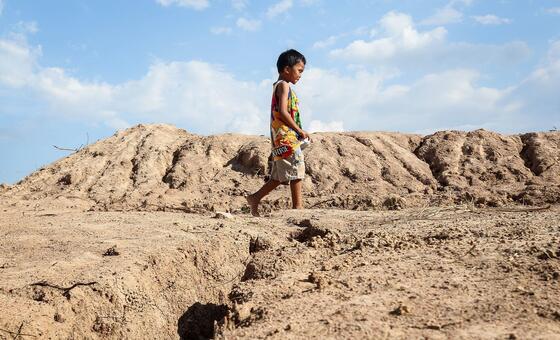
Triple Climate Threats Impact Nearly Half of the World’s Children
Qinilo.com – A recent UNICEF report underscores that drought, extreme heat, and heatwaves are among the most pressing climate challenges endangering millions of children globally.
According to the Children’s Climate Risk Report 2026, approximately 1.1 billion children are now exposed to at least three intersecting climate threats, jeopardizing their health, education, and survival.
“Children’s lives remain disrupted by the consequences of heatwaves, wildfires, droughts, and floods,” noted UNICEF Executive Director Catherine Russell. “Over half of the world’s children now confront at least three overlapping climate risks that shape their everyday experiences.”
The report, for the first time, maps the intensity and reach of combined climate threats on children and the vital services they depend on, offering guidance for government action.
It reveals that nearly every child globally faces at least one climate hazard, with over four million exposed to as many as six simultaneous threats. The analysis covers the eight most frequent climate risks, including coastal floods, riverine floods, sand and dust storms, wildfires, and extreme heat.
More than 296 million children reside in regions affected by all three primary threats—drought, extreme heat, and tropical storms—while over 115 million are impacted by the second most common combination: drought, extreme heat, and sand and dust storms.
Additional Risks Beyond Climate Hazards
Complementing the climate threat analysis, the report also examines the role of air pollution and malaria, both of which are significantly influenced by climate change.
Data indicates that air pollution affects nearly every child, while one billion face malaria exposure, compounding dangers for those already dealing with multiple climate challenges.
Regions Facing Intense Climate Challenges
The Sahel region in Africa stands out as a hotspot, where over four million children endure the triple threat of heatwaves, extreme heat, and sand and dust storms.
Children in Asian nations such as Bangladesh, Myanmar, and Pakistan face greater numbers of climate hazards, often with heightened severity, compared to other parts of the world.
High-Income Countries Also at Risk
Even in high-income regions, climate impacts are evident. In Italy, more than six million children are exposed to prolonged heatwaves and droughts.
Despite this, the report shows how targeted climate adaptation efforts can reduce risks, emphasizing the need for expanded strategies as the climate crisis worsens.
UNICEF’s Recommendations for Action
To safeguard children’s rights amid climate threats, UNICEF urges governments, businesses, and stakeholders to:
1. Cut emissions and advance international climate goals based on current scientific insights.
2. Strengthen climate adaptation measures that include children in planning for health, education, and disaster response.
3. Encourage youth involvement in climate initiatives through education and empowering decision-makers to uphold children’s voices in policy.
“This data empowers leaders to design more effective strategies for resilient services,” stated UNICEF’s chief. “By reinforcing health and education systems with child-focused approaches, we defend children against today’s challenges and secure their long-term prospects.”