
Building the smart city: Promise, pitfalls and the people at its heart
Building the Smart City: Promise, Pitfalls and the People at Its Heart
Qinilo.com – As urban centers worldwide push the boundaries of technological integration, the concept of the smart city has evolved into a multifaceted movement. From AI-enhanced public transport to digital twins and climate-resilient urban designs, cities are deploying advanced systems to redefine modern living. Yet, the rapid adoption of these innovations raises pressing questions about accessibility, equity, and the human element that must anchor their development.
The Global Expo in Baku: A Glimpse into Future Urban Living
At the recent urban expo in Baku, a sprawling event showcasing cutting-edge urban technologies, visitors were captivated by immersive displays of flood simulations, subway control systems, and virtual replicas of city neighborhoods. These exhibits highlighted how artificial intelligence, digital infrastructure, and real-time data analytics are reshaping the urban experience. The forum, co-hosted by UN-Habitat and Azerbaijan, presented a global platform for cities to share their visions of the “city of the future.”
Shanghai’s Smart City Blueprint: Integration and Inclusion
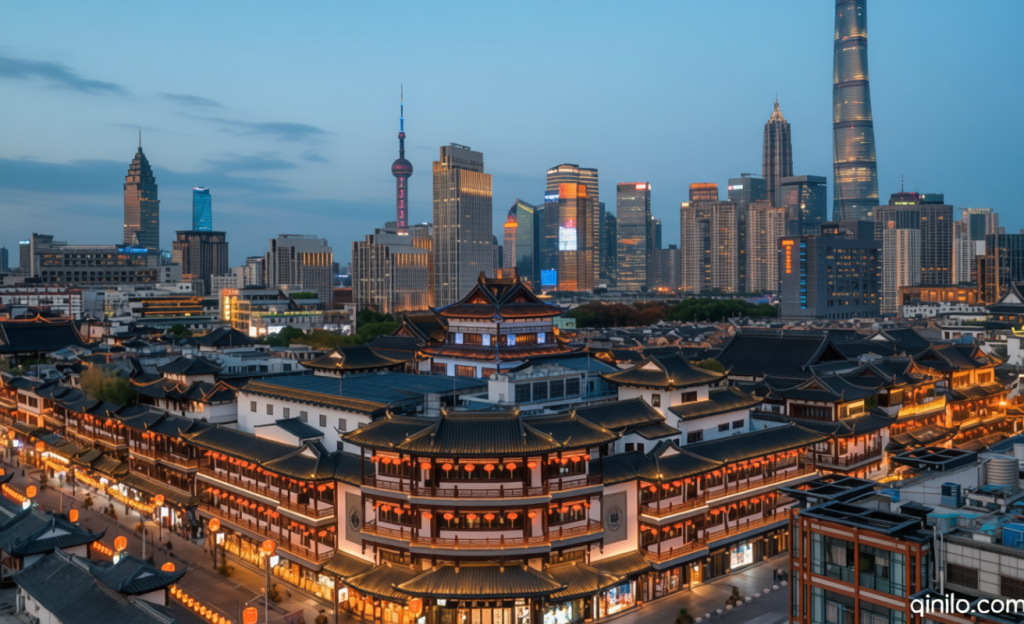
Shanghai, a city that epitomizes the ambition of smart urban initiatives, demonstrated its commitment to leveraging technology across multiple sectors. At the World Urban Forum (WUF13), officials highlighted the city’s “Unified Management with One Network” platform—a comprehensive system that harmonizes transportation, infrastructure, emergency services, and public utilities. This digital ecosystem exemplifies how cities are using big data and AI to optimize operations and enhance livability.
However, Shanghai’s approach also underscores the importance of bridging the digital divide. Its “One-stop Government Service” portal enables residents to access over 3,500 public services online, from healthcare to education. This initiative not only streamlines administrative processes but also empowers citizens by reducing barriers to essential urban resources. By prioritizing inclusivity, the city aims to ensure that technological progress benefits all demographics, not just the privileged few.
Technological Innovations in Urban Mobility
The Shanghai Metro, a marvel of infrastructure spanning more than 800 kilometers and 400 stations, serves as another testament to the city’s integration of smart technologies. Utilizing AI-driven monitoring, 5G connectivity, and predictive weather-control systems, the network operates with a level of precision that minimizes disruptions and enhances safety. Some of its lines now feature fully automated, driverless trains, while AI algorithms continuously analyze tunnel conditions to detect structural issues before they escalate.
Real-time passenger data is also being harnessed to anticipate demand and adjust schedules dynamically. These innovations reflect a broader trend of cities adopting data-centric approaches to urban planning. Yet, the question remains: does technology alone guarantee a better quality of life, or does it require thoughtful design to address the needs of vulnerable populations?
Designing Resilient Spaces: The Case of Lingang Starry Sky Sponge Park
One standout example of smart city innovation is the Lingang Starry Sky Sponge Park, a 54-hectare space that merges futuristic aesthetics with advanced environmental engineering. This park features permeable pavements, underground filtration systems, and intelligent drainage mechanisms that collectively capture and recycle up to 15,000 cubic meters of rainwater daily. By doing so, it not only mitigates flood risks but also serves as a model for sustainable urban design.
The park’s cosmic theme is more than decorative—it symbolizes the city’s ambition to create spaces that adapt to ecological challenges while maintaining a human touch. Such projects highlight the dual role of smart cities as both technological laboratories and social experiments, where infrastructure and community engagement must align to achieve lasting impact.
Voices of Caution: Addressing Crises in Urban Development
Anacláudia Rossbach, Executive Director of UN-Habitat, emphasized that smart cities must serve as solutions to pressing global issues. “Cities are grappling with multiple crises, from housing shortages and informal settlements to climate shocks and rising inequality,” she noted. “We need to fully harness the technologies at our disposal.” Rossbach’s remarks underscore the urgency of addressing these challenges, particularly as cities face the triple pressures of climate change, conflict, and rapid urbanization.
“The most important thing of our work is that smart cities really need to be people-centered. Human rights, inclusion, and equity must remain at the core of digital transformation.” – Anacláudia Rossbach, Executive Director of UN-Habitat
Rossbach also highlighted the risks of digital exclusion, drawing on the experiences of the pandemic. Many residents in informal settlements were unable to access remote education, healthcare services, or online employment due to a lack of internet connectivity and digital literacy. This stark contrast between technological capability and social inclusion reveals a critical flaw in the smart city narrative: without deliberate efforts to bridge gaps, technology may deepen disparities rather than resolve them.
The Human Dimension: Balancing Innovation with Equity
While the focus on AI and digital infrastructure is undeniable, some experts caution against overemphasizing technology as the sole driver of urban progress. Gynna Millan, a Colombian architect and urban researcher, argued that the perception of a smart city as purely technology-driven can lead to unintended consequences. “Technology can either empower people or become a tool for control,” she warned, depending on how it is implemented.
“Most people understand a smart city as being technology-driven. But if we neglect the human element, we risk creating systems that exclude rather than integrate.” – Gynna Millan, Colombian Urban Researcher
For cities in the Global South, particularly those with limited infrastructure, the challenge is even more pronounced. While advanced technologies are increasingly accessible, the question is whether they genuinely improve daily life. “The issue isn’t just whether the technology exists,” Millan explained, “but whether it addresses the real needs of communities that have been historically overlooked.”
AI’s Role in Shaping Urban Futures
Artificial intelligence is rapidly transitioning from experimental projects to core components of urban governance. Dmitri Atov, an adviser to Moscow’s city government, described AI as a “game changer” for cities. “AI is no longer just a buzzword—it’s reshaping how we manage resources, respond to crises, and engage with citizens.”
Yining Zhao, a project officer at the UN International Telecommunication Union (ITU), outlined five emerging technological trends that are influencing urban life. Among them were “world models,” which simulate city behavior in real-world conditions, and “agentic AI,” where digital agents independently plan and execute tasks. Zhao also referenced the growing use of AI in the physical world, from robotic systems to drone-assisted monitoring, and the rise of immersive virtual environments for work, learning, and community interaction.
These trends reflect a shift toward more adaptive and responsive urban systems. However, their implementation requires careful consideration of ethical implications and social equity. As cities invest in AI-driven solutions, the focus must remain on ensuring that these tools serve the public interest and do not perpetuate existing inequalities.
Toward a People-Centered Vision
The smart city movement is at a crossroads. While the potential for innovation is vast, its success hinges on the ability to prioritize human-centered design. As technology continues to permeate every aspect of urban life, the challenge lies in aligning these advancements with the needs of all residents. From flood-proof parks to AI-managed transport, the smart city must be more than a showcase of technological prowess—it must be a blueprint for inclusive and sustainable progress.