
Stranded Hormuz seafarers begin mass evacuation operation
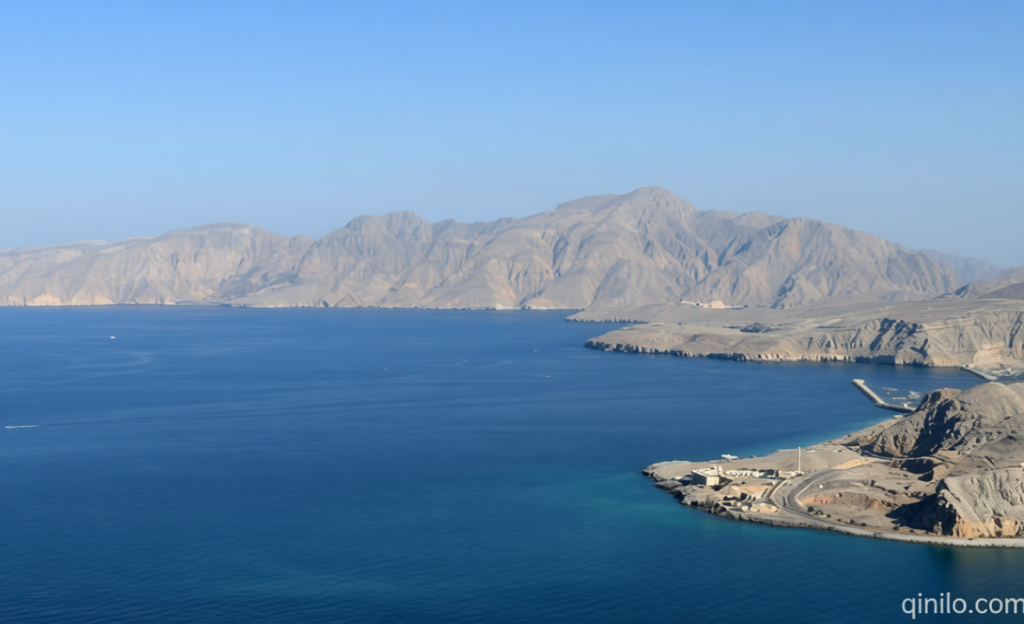
Stranded Hormuz Seafarers Begin Mass Evacuation Operation
Qinilo.com – The mass evacuation of seafarers stranded in the Strait of Hormuz has officially commenced, marking a critical effort to rescue over 11,000 mariners caught in the crossfire of escalating tensions in the region. The United Nations’ International Maritime Organization (IMO) has taken the lead in coordinating this operation, which aims to restore the flow of maritime traffic and ensure the safety of crews navigating one of the world’s most vital shipping corridors. As the crisis persists, the focus keyword—“Stranded Hormuz seafarers begin mass”—has become central to discussions about the humanitarian and logistical challenges facing the global shipping industry.
Evacuation Routes and Safety Measures
The evacuation strategy hinges on the establishment of two temporary routes designed to bypass the high-risk areas in the Strait of Hormuz. The “Northern route” is positioned near Iran’s coastline, while the “Southern route” traverses Oman and the United Arab Emirates (UAE). These pathways are being monitored closely by both nations, which have pledged to maintain safe passage for vessels under their jurisdiction. The IMO has emphasized the importance of verified safety conditions, stating that each ship will be assigned to a specific transit group with a designated departure date. This structured approach aims to minimize risks and provide clarity for crews enduring months of uncertainty.
As part of the operation, the IMO has initiated direct communication with ships to execute the evacuation. This involves approximately 500 to 600 commercial vessels, a number that underscores the scale of the challenge. The agency has also worked closely with regional partners to ensure that the necessary logistical support is in place, including securing safe harbors and coordinating with naval forces to escort ships through potentially hostile waters. These measures are vital in addressing the immediate concerns of seafarers who have been confined to the strait for weeks.
The Human Toll and Psychological Impact
The psychological strain on stranded seafarers has been profound, with many reporting heightened anxiety and stress due to the constant threat of attacks. Third Officer Clarisse Bangga, a Filipino mariner, shared her personal experience with the persistent uncertainty of the situation. “You don’t know when the war will end; you don’t know when the vessel can safely pass the Strait, so it is very difficult,” she explained. “The uncertainty of being stuck in a war zone is a daily struggle that weighs heavily on the mind.” Her account highlights the emotional toll of the crisis, which has affected not only the crews but also their families, who remain in limbo without clear updates on their loved ones’ safety.
With the current disruption, shipping levels in the Strait of Hormuz have plummeted to between 20 and 30 vessels per day, far below the pre-crisis average of 130. This decline has raised concerns about the global energy supply, as the strait serves as a critical chokepoint for oil and gas transportation. The IMO has expressed hope that the recent diplomatic breakthroughs between Iran and the United States will lead to a sustained improvement in security conditions. However, the agency also warned that the situation remains volatile, and the mass evacuation is only a temporary solution to an ongoing crisis.
Since the Middle East crisis began on 28 February, the strait has witnessed 14 confirmed fatalities among seafarers, a grim reminder of the dangers they face. The loss of life has intensified the urgency of the evacuation, as the IMO and other stakeholders seek to prevent further casualties. In addition to the immediate safety concerns, the operation also aims to address the long-term consequences of the disruption, including economic instability and supply chain delays. The success of this effort will depend on the continued cooperation between nations and the ability to maintain safe transit corridors for maritime trade.
As the mass evacuation progresses, the IMO has called for greater international collaboration to ensure that the situation remains under control. The agency’s efforts are complemented by the involvement of regional organizations and private shipping companies, which have contributed resources to facilitate the operation. Despite the progress, challenges persist, including the need for consistent communication and the maintenance of secure routes. The focus keyword, “Stranded Hormuz seafarers begin mass,” continues to resonate in media coverage and policy discussions, underscoring its relevance in the ongoing narrative of maritime security in the region.